

Listen to this article
Estimated 4 minutes
The audio version of this article is generated by text-to-speech, a technology based on artificial intelligence.
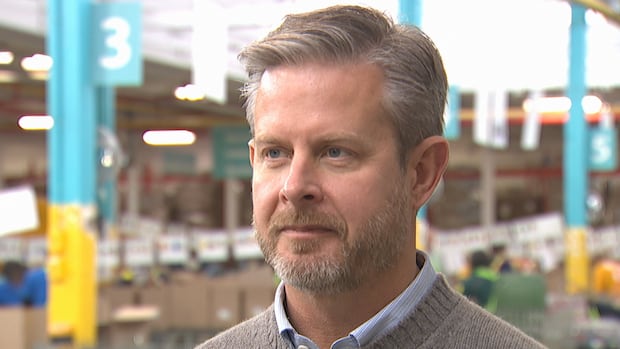
A new report that says more than one million Ontario residents needed a food bank in the past year is “disheartening” but not surprising, says the CEO of Toronto’s Daily Bread Food Bank.
“We see it here every single day at the food bank, at the Daily Bread Food Bank,” Neil Hetherington said Monday. “And it’s been a real tough slog being able to make sure that we feed the need now.”
Hetherington was responding to the 2025 Hunger Report report by Feed Ontario, an advocacy organization, that found Ontario residents made 8.7 million visits to food banks from April 1, 2024 to March 31, 2025 — a 13 per cent increase in one year.
That year marked the ninth consecutive year of growth in food bank use in the province and a record high level of demand, according to the report.
The report found that of those who used food banks in the past year:
One in three people were first time users.One in three were children under 18.One in three were people with disabilities.One in four had a job but could not earn enough to make ends meet.Three in four were tenants.Twice as many were seniors, compared to five years ago, as their fixed incomes have not kept up with the rising cost of living.
The report says “escalating” food bank use is a sign that homelessness, strain on the health care system and instability within communities are set to rise if action is not taken to reduce poverty.
The Daily Bread Food Bank provides three days of worth of food to a client every week.
Hetherington said the food bank estimates more than one in 10 Torontonians now rely on food banks, compared to one in 20 three years ago, and children make up one in four clients.
‘What we’re seeing is more clients,’ food bank CEO says
“We’re not adding more food. What we’re seeing is more clients,” he said.
“The number of clients here in Toronto could fill the Rogers Centre eight times every single month. That’s how many people we’re feeding.”
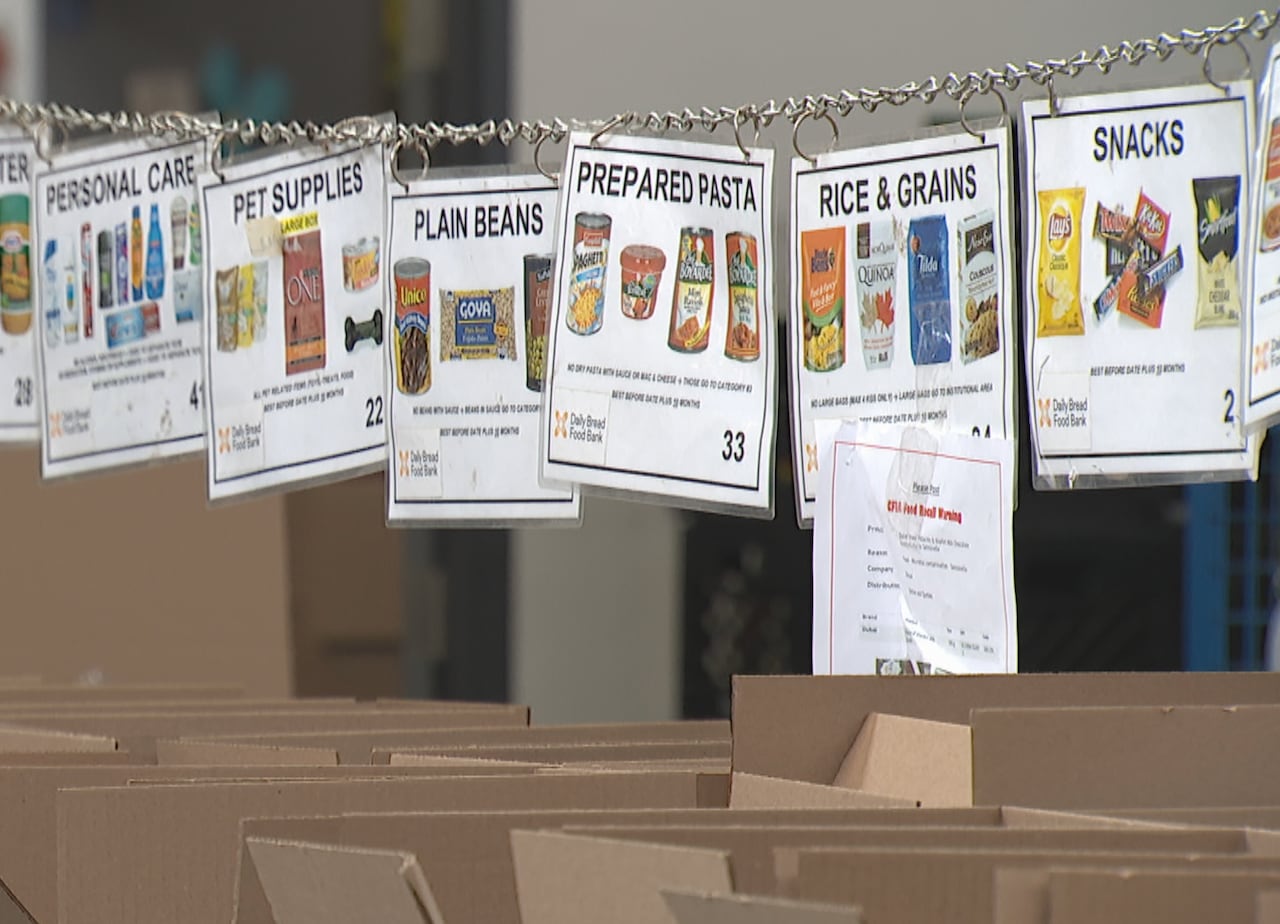 Signs hung from a chain at Toronto’s Daily Bread Food Bank help workers sort food items. (Derek Hooper/CBC)
An Oct. 27 news release from Daily Bread on its Who’s Hungry report said: “People are turning to food banks more often and for longer periods of time, even while working multiple jobs or holding post-secondary degrees that would once have safeguarded them from poverty.”
Findings from the Feed Ontario report came up in question period Monday, with opposition MPPs asking the Ontario government if it has a strategy to help people at risk of homelessness.
Ontario Premier Doug Ford said the province is creating jobs.
“We’ve created the environment for our province to thrive and prosper with infrastructure — $220 billion. We’re building hospitals, we’re building roads, we’re building bridges, we’re building schools, and you vote against it every single time,” Ford told NDP MPP Terence Kernaghan.
“That’s what we’re doing. You’re all about raising taxes; we’re all about cutting taxes and creating jobs.”
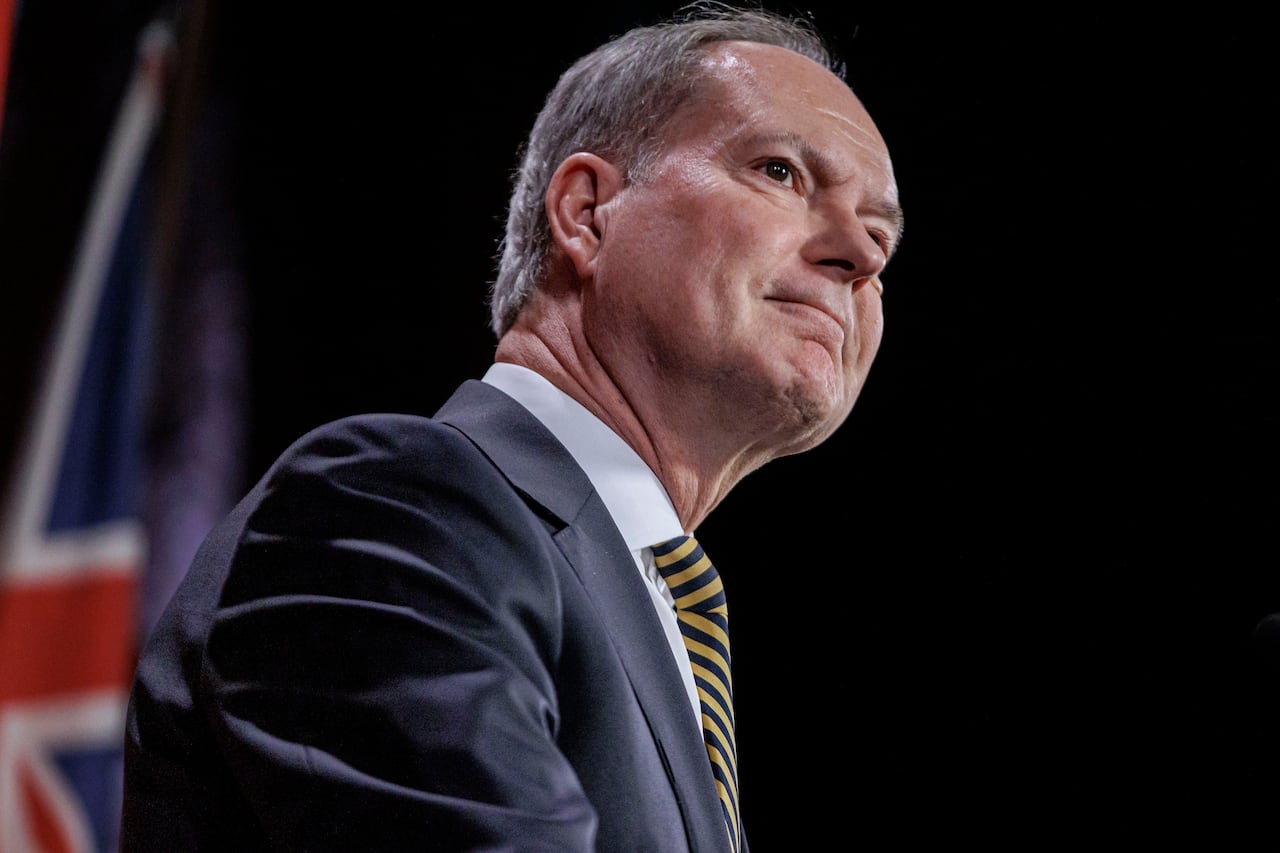 Ontario Finance minister Peter Bethlenfalvy, pictured here, says: ‘There’s no question that this government since day one — I repeat — day one has been focused on affordability for all Ontarians.’ (Evan Mitsui/CBC)
Ontario Finance Minister Peter Bethlenfalvy said in question period that the province is taking action.
“There’s no question that this government since day one … has been focused on affordability for all Ontarians,” Bethlenfalvy said.
“That’s why we highlighted in our fall economic statement again that we put $12 billion back in the pockets of the hard-working people and families of Ontario.”
In a statement Monday, Green Party Leader Mike Schreiner called on the province to implement the report’s recommendations: improve social assistance programs; invest in affordable housing; build a strong workforce by allowing low-income workers to keep more of their income; and put people at the centre of poverty reduction strategies by consulting people with lived experience.
“Food banks are filling in the gaps that the Ford government is creating and it’s not sustainable,” Schreiner said.