
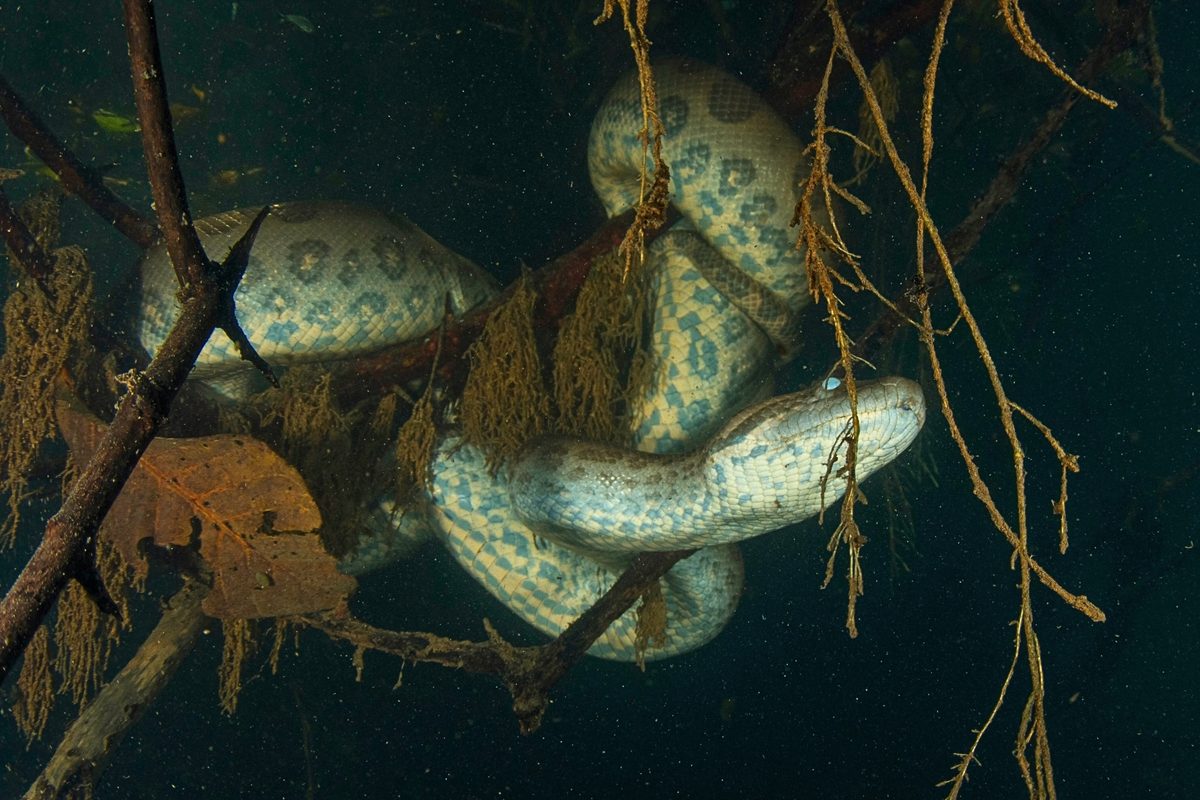
Not a lot is known about the origins of anacondas (Eunectes) and how they reached such gargantuan proportions.
The fossil record of this semi-aquatic group, and snakes in general, is especially poor, largely due to the fact they live in hot, humid environments where remains rapidly decay and acidic soils dissolve bones.
However, there are several places in northern South America that record a rich record of the animals that lived there millions of years ago. A site located in Urumaco in the far northwestern corner of Venezuela has yielded a bounty of fossils in recent years, including those from some of the earliest anacondas.
As part of a new study, a University of Cambridge-led team analysed 183 fossilised anaconda vertebrae, belonging to at least 32 different snakes, and found the group reached their maximum size roughly 12.4 million years ago in the Middle Miocene.
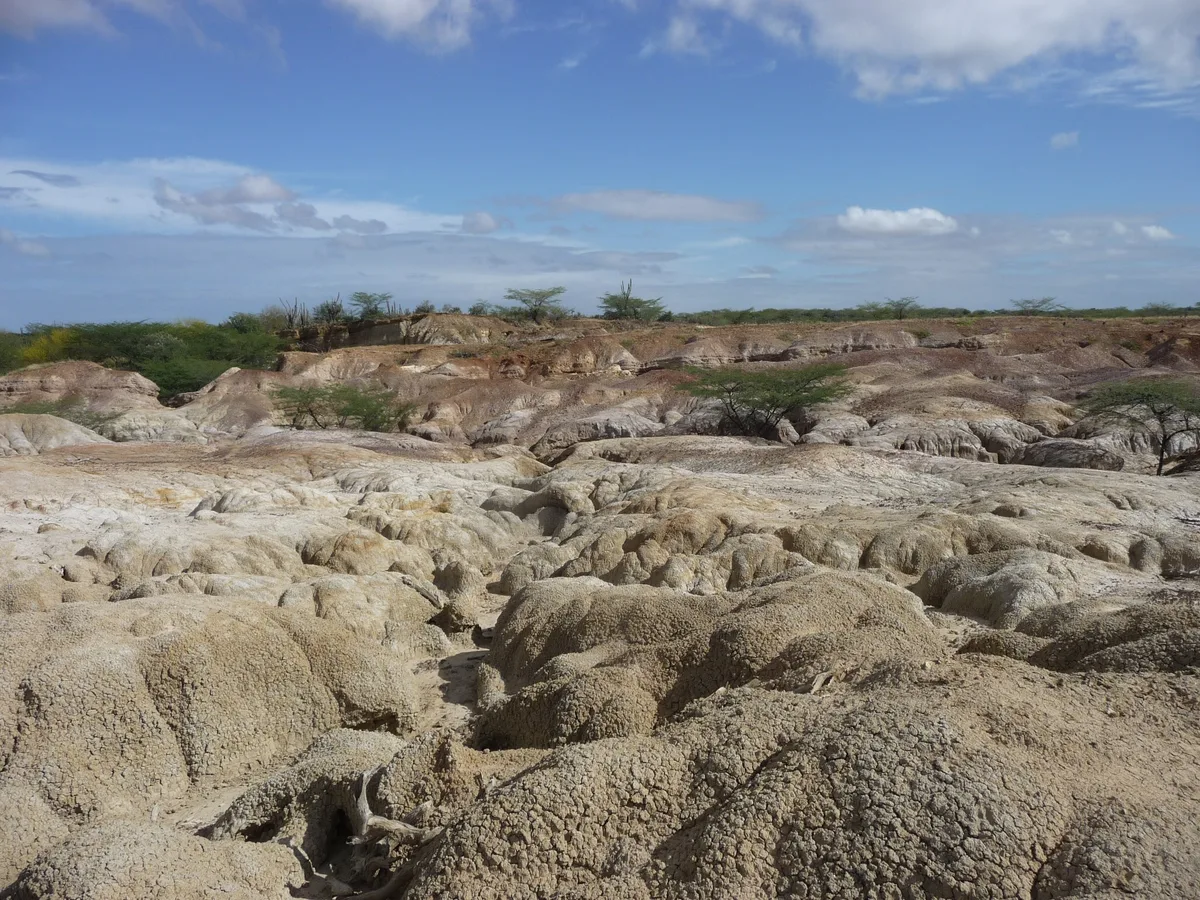 The site in Urumaco, Venezuela, where remains of dozens of extinct, jungle-dwelling animals have been found. Credit: Jorge Carrillo-Briceño
From a combination of measuring the fossils and using a method known as ‘ancestral state reconstruction’ where the traits of living species are used to estimate the traits of an extinct, common ancestor, the team were able to calculate these early anacondas measured roughly 5.2m in length.
The green anaconda, the heaviest snake alive today and a descendant of the anacondas analysed in this study, measures 4-5m on average, though larger individuals are thought to live in deeper, less-accessible parts of tropical South America.
“By measuring the fossils, we found that anacondas evolved a large body size shortly after they appeared in tropical South America around 12.4 million years ago, and their size hasn’t changed since,” says Andrés Alfonso-Rojas, a PhD student in the Department of Zoology at the University of Cambridge and the lead author of the recent study.
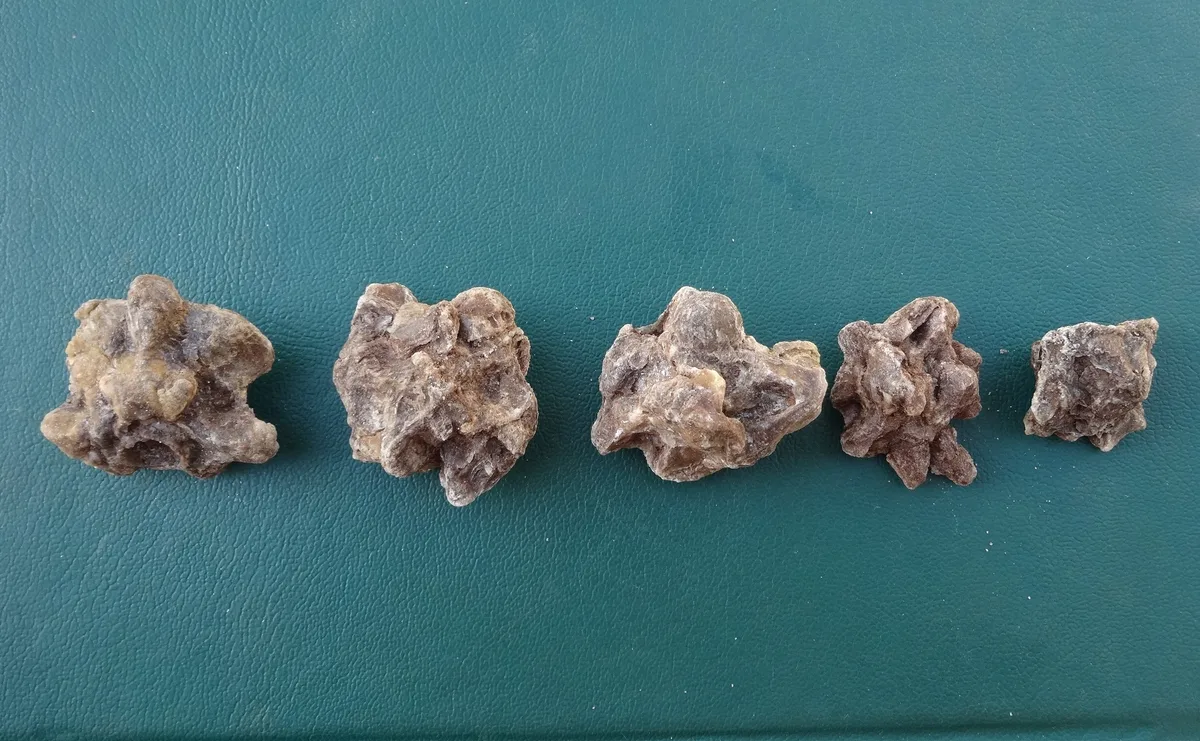 An anaconda’s spine comprises more than 300 vertebrae; these are five fossilised vertebrae that formed part of this study. Credit: Jorge Carrillo-Briceño
Interestingly, anacondas evolved gigantism alongside a number of other reptiles, including the 12m-long caiman Purussaurus and the 3.2m-long freshwater turtle Stupendemys. However, unlike these other giant reptiles that achieved their maximum size during the Miocene before becoming extinct and replaced by smaller-bodied relatives in the Pliocene, anacondas persisted and remained giants.
Alfonso-Rojas explains his team were surprised by their results, expecting early anacondas to be larger than those living today.
“This is a surprising result because we expected to find the ancient anacondas were seven or eight metres long. But we don’t have any evidence of a larger snake from the Miocene when global temperatures were warmer.”
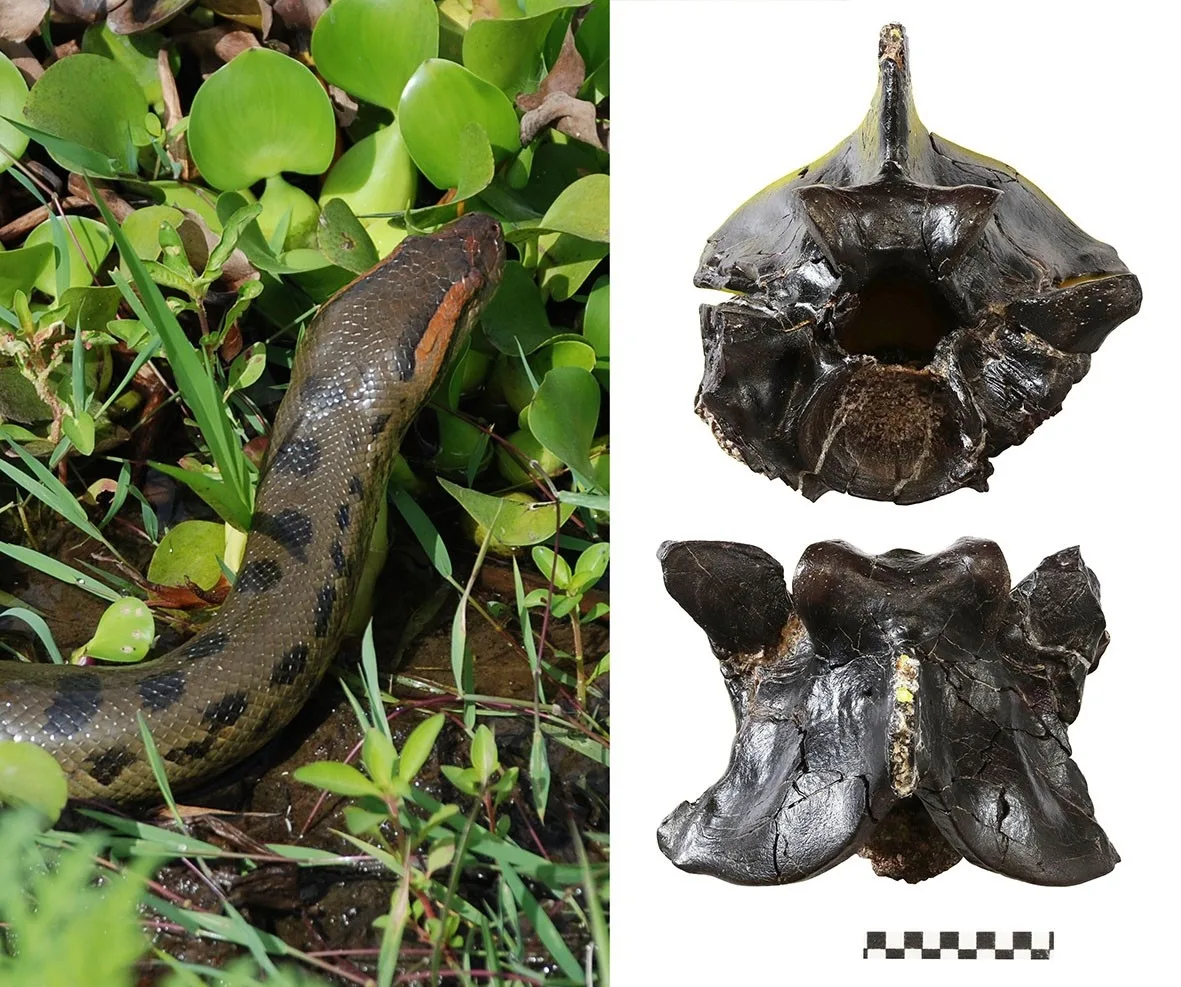 A living anaconda alongside anaconda fossils. Credit: Jason Head
Instead of reducing in body size in response to a cooling climate, like other animals living in the wetlands of northern South America did, anacondas stayed massive.
According to Alfonso-Rojas, the origin of gigantism in anacondas may have been driven by an increase in temperature during the Miocene and the presence of an extensive wetland ecosystem full of diverse prey, but why they stayed so huge afterwards is a mystery.
The discovery of more anaconda fossils from intervening time periods will no doubt help Alfonso-Rojas and others shed more light on this enigmatic group.
Top image: green anaconda in wetland. Credit: Getty
More amazing wildlife stories from around the world