
NEED TO KNOW
The northern lights may be visible on Wednesday, Dec. 3, and Thursday evening, Dec. 4, as a series of solar eruptions sets up back-to-back chances for aurora activityA recent X2-class solar flare and CME could trigger a G2–G3 geomagnetic storm, giving northern U.S. states the best shot at spotting aurorasFor the best view, head to a dark location away from city lights and monitor real-time alerts from NOAA or aurora-tracking apps to see if conditions spike
If you’ve been hoping for another chance to catch the northern lights, this week could deliver a holiday-season treat for fellow skywatchers!
A series of solar events — including a powerful X2-class flare on Monday, Dec. 1, and a cloud of charged particles erupting from the sun — has sparked the possibility of colorful auroras over parts of the northern U.S. and upper Midwest this week.
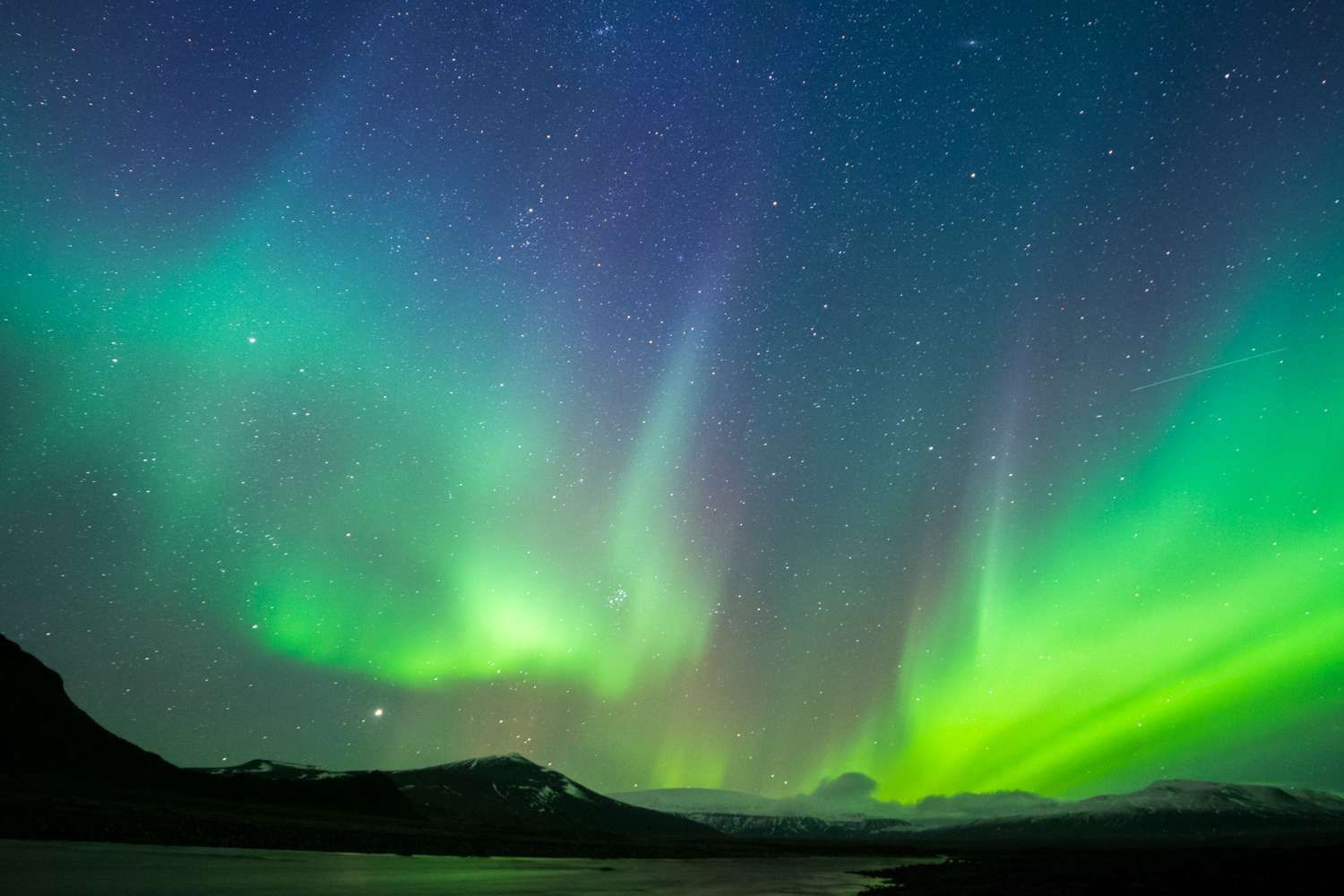
The aurora borealis (northern lights) is caused by geomagnetic storms, which occur when charged particles from the sun collide with gases in Earth’s atmosphere, creating brilliant waves of light in the sky.
Forecasters at the National Oceanic and Atmospheric Administration say conditions are lining up for a moderate geomagnetic storm, which could make the sky dance with color in states stretching from New York to Idaho.
“The storm cloud could graze our planet on Dec. 2,” according to SpaceWeather.com. “Moreover, the CME will scoop up a solar wind stream just ahead of it, adding heft to the potential impact.”
Get your cameras ready! Here’s everything you need to know about when, where and how to watch this stellar event.
When will the northern lights be visible?
Northern lights illuminate the night sky.
JFK/APA/AFP via Getty
Prepare to feast your eyes on a dazzling spectacle!
NOAA experts are forecasting a G2 geomagnetic storm after dark on Wednesday, Dec. 3, with solar activity (potentially) continuing into the pre-dawn hours of Thursday, Dec. 4.
If the coronal mass ejection and solar wind arrive at the same time, conditions could briefly reach G3 levels before easing back into moderate storms.
Where will the northern lights be visible?
The Aurora Borealis lights up the night sky over Monroe, Wisconsin.
Ross Harried/NurPhoto via Getty
Auroras may be visible across northern U.S. states, including Alaska, Washington, Idaho, Montana, Wyoming, North and South Dakota, Minnesota, Wisconsin, Michigan, New York and Maine.
However, if storm levels intensify, visibility could expand into Oregon, Nebraska, Iowa, Illinois, Indiana, Ohio, Pennsylvania, Massachusetts, Vermont and New Hampshire.
How to watch the northern lights?
Philippe Bourseiller/Getty
All you need to do is look up, but having patience goes a long way!
Find the darkest spot you can, preferably far from city lights and with a clear view of the northern horizon. Tools such as the Dark Sky Place Finder and light-pollution maps can help you choose a location.
For real-time updates, be sure to check NOAA’s 30-minute aurora forecast or use apps like Aurora Now, My Aurora Forecast or Glendale Aurora.
How to take photos of the northern lights?
Believe it or not, all you need is your smartphone!
If you have an iPhone, first you’ll need to turn on your Night Mode, and if you have an Android, it’s Pro Mode. Then, you’ll want to turn off your flash and hold steady – feel free to use a tripod if you have one.
If you’re shooting with a DSLR, grab a wide-angle lens and aim for longer exposures to capture the colors and movement.