
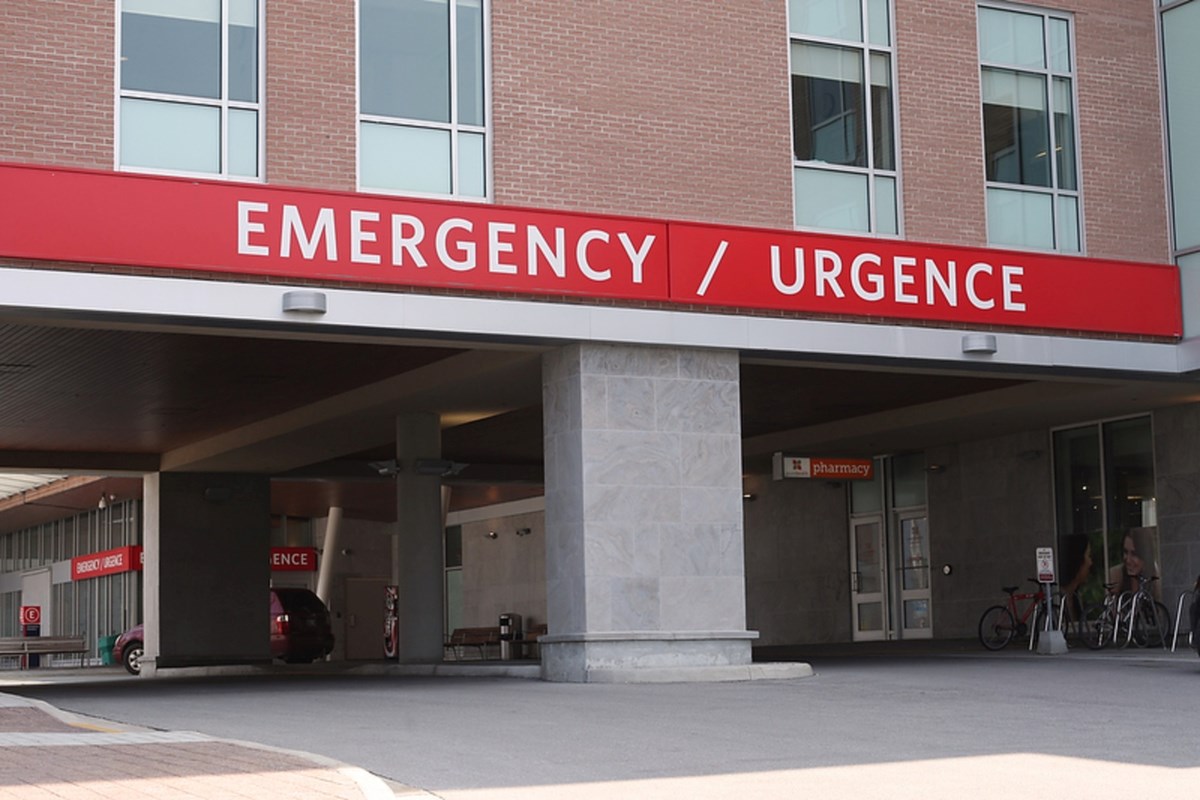
‘I now feel genuine anxiety about the possibility of needing emergency care. I worry that I, or someone I love, may not receive help quickly enough,’ columnist says
I’m writing this while the frustration is still fresh.
Last weekend, I had to bring my mother to the Emergency Room after a severe virus triggered a debilitating migraine. She couldn’t walk, which was frightening, and at that point we didn’t know the cause. So, my father dialed 911. It was a quiet Sunday evening. Roads were clear. No major weather event. Yet when he called for an ambulance, we were told they were very busy and could not provide an estimated arrival time.
I thought about driving her myself, but she was too weak to stand, let alone make it to a vehicle.
We waited two painful hours. Two hours wondering if her condition would worsen before help arrived. Thankfully, she remained stable. But that outcome should never depend on luck.
When paramedics finally arrived, they were exceptional: compassionate, calm and professional. Like so many frontline workers, they are doing remarkable work under unimaginable pressure. They transported my mother to Royal Victoria Regional Health Centre (RVH) in Barrie, where we were directed to the waiting room.
About a dozen people were already there. One woman mentioned she had already been waiting three hours, so I braced myself for a long night (too bad I forgot my phone charger and a book). And I was right; we waited another six hours before seeing a doctor.
Six hours in a crowded room alongside visibly ill patients, some vomiting, others coughing, while my anxiety steadily climbed. Eventually, we learned there was just one doctor on call.
We were relieved once my mother finally received care and we were able to go home. A day later, I saw a post on RVH’s Facebook page stating the ER was experiencing high patient volumes and advising those with “non-emergency” needs to seek help from a walk-in clinic, family doctor or pharmacist. But how are we supposed to know if something is or isn’t an emergency? It’s worrisome and scary that patients are being asked to triage themselves when most of us lack the knowledge to assess how serious a situation truly is.
The biggest frustration in the waiting room is not just the time, it’s the uncertainty. Not knowing how long you’ll be there, where you are in the queue, how serious your case is, or whether your condition will deteriorate.
We are already in a bad cold and flu season, and I now feel genuine anxiety about the possibility of needing emergency care. I worry that I, or someone I love, may not receive help quickly enough.
How is this possible in a country that prides itself on universal healthcare? Our nurses and doctors are not the problem, the system is. They are performing heroic work without adequate resources.
So why are we operating with such minimal staffing? Why aren’t we recruiting, supporting and retaining more healthcare professionals? How is it that, in the time it took to get basic emergency attention, we could have driven to another country, received treatment, and returned home?
The truth is undeniable: Ontario’s health-care system is failing.
Whether solutions include increased funding, stronger incentives for healthcare workers, improved triage procedures or even exploring private options for non-life-threatening cases, change is urgently needed.
Recently, an anonymous donor funded two new ambulances for Simcoe County — a generous and heartwarming gesture that will surely help our community. But emergency care should not rely on philanthropy.
As we enter the provincial pre-budget consultation period, healthcare infrastructure, staffing and accessibility must be top priorities.
The statistics speak volumes. Nearly 500,000 Canadians left emergency departments last year before being seen by a physician, according to data reported by CBC Marketplace and the Montreal Economic Institute.
This isn’t a new story; it’s a long-standing crisis. As Ontario resident Hazel van der Werken said during a recent interview on Village Media’s Closer Look podcast, we’ve become complacent with these unacceptable wait times.
Her 16-year-old son, Finlay, tragically died in February 2024 after waiting more than eight hours for care at Oakville Trafalgar Memorial Hospital. The interview is heartbreaking and illustrates just how critical this issue has become. The warning bells have been sounding for years, but is anyone listening?
Van der Werken has since launched Finlay’s Law, which seeks to establish maximum emergency wait times for children. While this focuses on pediatric care, it’s important to recognize that delays affect everyone: children, adults and the elderly. Setting standards for children is a critical first step, but meaningful change must extend to all patients. I have personally signed the petition, not only to support this family in their pursuit of justice, but in the hope that it will spark broader reforms and help prevent future tragedies.
Emergency care should never depend on timing, capacity or chance.
We owe it to our loved ones, our frontline workers and our community to demand better.
Natasha Philpott is a Barbie-loving, cat-obsessed writer who lives in Bradford with her husband and two boys. Follow her on Instagram here: @tashaphilly.