

Listen to this article
Estimated 4 minutes
The audio version of this article is generated by text-to-speech, a technology based on artificial intelligence.
The City of Winnipeg is free to ignore a provincial board’s decision to grant the Granite Curling Club an effective veto over plans to build residential housing on a parking lot next door, city planning officials say in a new report.
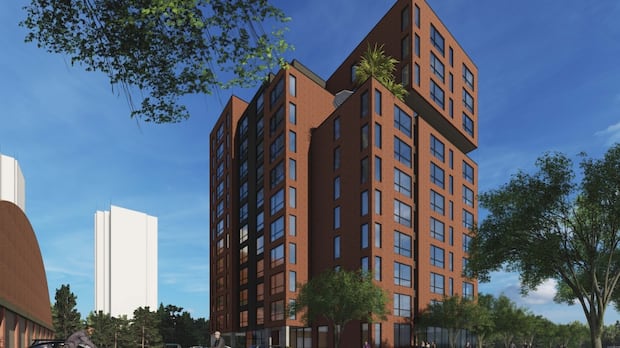
A new report to council’s executive policy committee says city council can legally go ahead and rezone a parking lot west of the curling club on Granite Way to make way for an 111-unit apartment complex.
The report says the city can ignore a November recommendation from the provincially appointed municipal board to ensure the Granite Curling Club approves of the land-use changes.
The board ruled the city can only issue a permit for the apartment complex after the city comes up with what the board called an “adequate” parking plan that supports the “operational sustainability of the club.”
The board recommended EPC make this happen by amending land-use changes slated to come before city council as a whole.
Days after the board issued its decision, Winnipeg Mayor Scott Gillingham called it a dangerous precedent and described it as an overreach by the board, which has the power to overturn or amend city council decisions.
In the new report to EPC, City of Winnipeg planning manager James Veitch says the city does not have to heed the board recommendation because it involves a development permit and not the actual land-use change the city plans to make.
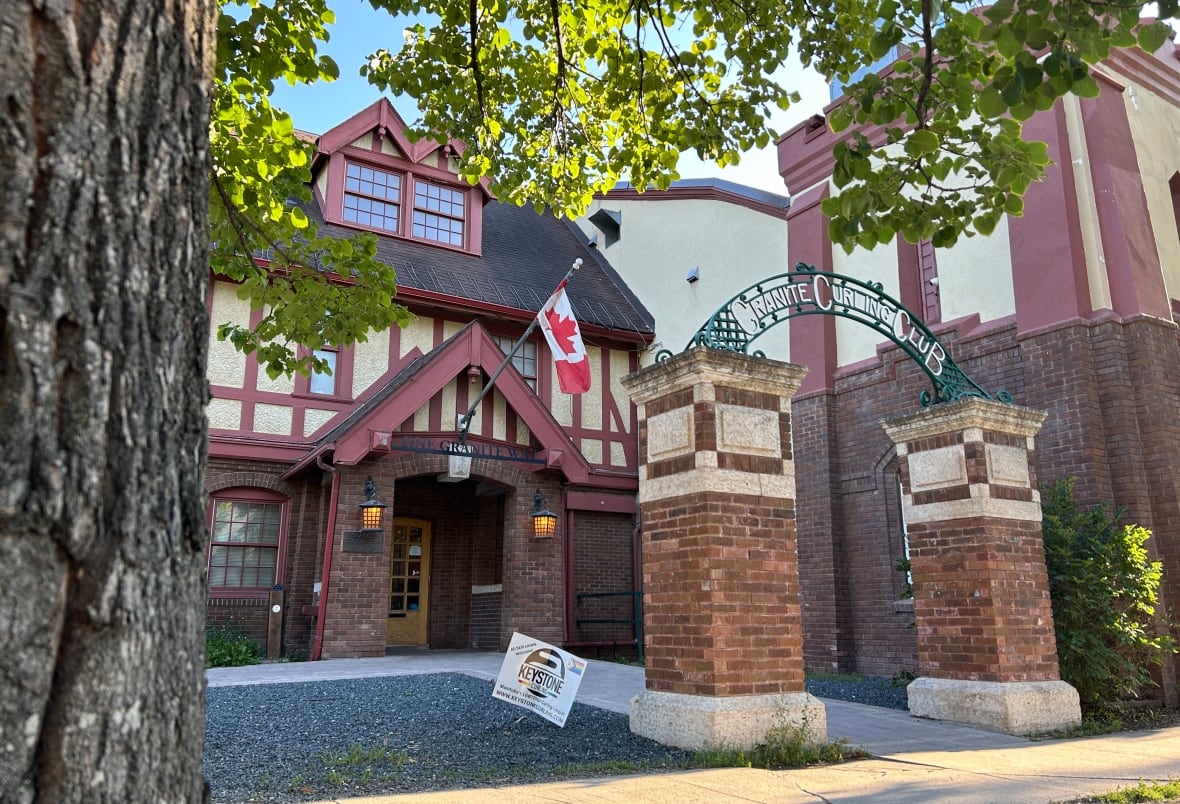 The Granite Curling Club, shown on Aug. 19, says its viability is threatened if it loses its parking lot. (Warren Kay/CBC)
Veitch also wrote the board is only permitted to tell council what to do, not executive policy committee.
The planning manager also says the city has no authority to allow the curling club de facto approval authority over issuing a development permit as part of a zoning change. That’s against the city’s rules, he wrote.
“These are not the types of conditions that council is authorized to impose on the approval of a zoning bylaw,” Veitch wrote, noting the Granite Curling Club is a tenant on city land and is looking for a new lease arrangement.
“A tenant can change over time. Would that previously named tenant continue to have the same approving authority over any future development? There are also no time limits on negotiations, which could have a perpetual impact on the zoning rights of a property owner.”
Veitch’s report comes before executive policy committee on Dec. 9.
City position baffling: board secretary
A separate motion that will go before executive policy committee calls for city staff to negotiate a new lease with the club.
Veitch says the curling club’s board requested “a series of financial subsidies and cost reimbursements amounting to well over $800,000 annually” in 2024 as part of a new lease. The board wants rent reduced to $1, tax subsidies, repairs to the building and its property, and the banks of the Assiniboine River stabilized.
The club’s board has said the new apartment complex threatens its long-term survival because it would take up 45 out of 80 parking spaces used by its members and rented out during the day to employees at nearby businesses.
Gillingham said in a news release that the city will continue to work with the curling club on a parking plan, albeit without the de facto veto.
Christian Pierce, who serves the secretary of the curling club’s board, called the city’s position on the municipal board decision baffling.
“Although the city was unhappy with the decision, it doesn’t give the city the right to ignore the provisions of the City of Winnipeg charter and municipal board’s recommendation,” Pierce said in a Wednesday interview.
Pierce, a former lawyer, said he believes the city’s legal arguments are weak. He said the club will oppose the city report and is looking forward to lease negotiations.
The city has refused to meet with the club for months, Pierce said.
Daniel Leonard, who curls at Granite and is part of a group of members who support the housing project, said in an interview he’s pleased the city recognized that “the municipal board went outside the scope of a rezoning application and started meddling in how the city engages with its tenant.”
A report on the legislation governing the board, made public by the province in October, calls for ratcheting back the board’s powers so that it can only say yes or no to proposals without adding amendments.