
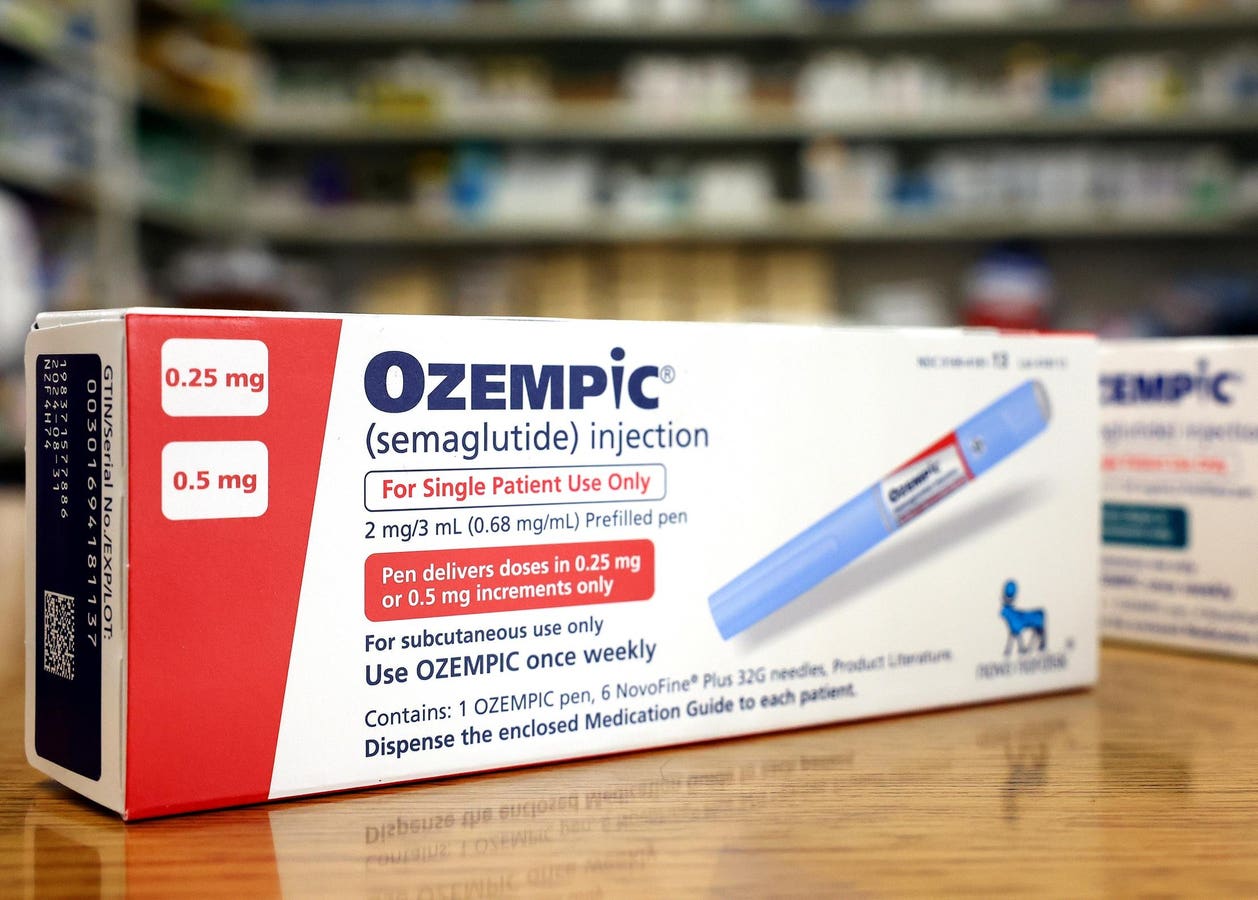
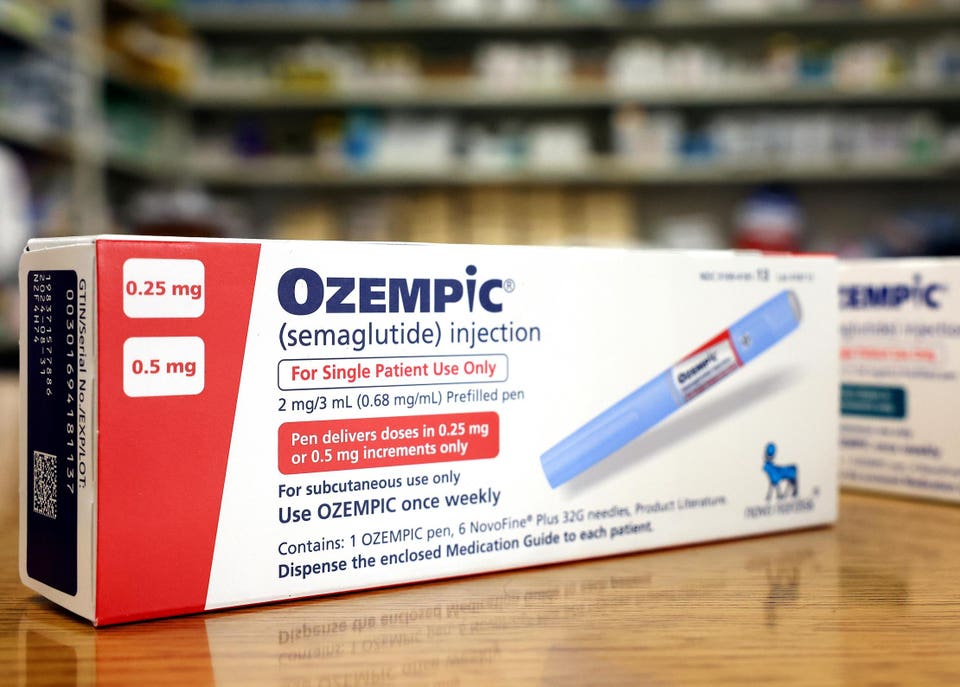
LOS ANGELES, CALIFORNIA – APRIL 17: In this photo illustration, boxes of the diabetes drug Ozempic rest on a pharmacy counter on April 17, 2023 in Los Angeles, California. The drug can also be prescribed off-label for obesity. (Photo illustration by Mario Tama/Getty Images)
Getty Images
For the first time ever, the World Health Organization has issued global guidance on the use of GLP-1 drugs for the treatment of obesity.
Obesity, a chronic, often relapsing condition that affects more than a billion people worldwide, is linked to adverse medical conditions such as heart disease, stroke, high blood pressure and a dozen different cancers. In addition, the use of GLP-1 drugs like Ozempic and Wegovy could be gamechangers in fighting the obesity epidemic since these drugs are highly effective. These drugs, which can include the active ingredients semaglutide, tirzepatide or liraglutide can result in up to 20% decrease in one’s body weight.
These drugs also have additional benefits. Those who take semaglutide for example, which is the active ingredient in Ozempic and Wegovy, can decrease their risk of heart attack, stroke and death by 20% after three years of treatment. Those that took the drug received the cardiovascular benefits regardless of their starting weight or how much weight they lost.
The WHO recommendation for obesity was conditional however, citing some concerns for global guidance for treatment. Here are some of the concerns.
Safety Concerns
Although these drugs are widely popular and are effective, there is a paucity of long-term safety data on these treatments. In general, they are well tolerated by patients with mild side effects such as nausea, vomiting, diarrhea and constipation. Rarely, more serious side effects can occur such as pancreatitis, or inflammation of the pancreas as well as gallbladder issues. The drugs are also linked to a rare form of thyroid cancer. Thus, the safety profile of these drugs continues to evolve and more long-term data will be needed to understand exactly how safe these drugs are for patients that take them for the long-term.
Drugs Alone Will Not Solve The Obesity Epidemic
The WHO guidelines emphasize that drugs alone, although highly effective, will not solve the obesity epidemic. Obesity is a chronic disease that requires a multifaceted approach to therapy, which includes adequate nutrition, physical activity and counseling when appropriate with health care practitioners. This will require policy level changes in countries to create more accessible parks and exercise facilities for example, as well as to address food insecurity that prevents low-income families from accessing healthy foods that can often be beyond their monetary budget.
Equity And Implementation Concerns
GLP-1 drugs are effective at reducing weight, but may not be accessible to everyone. As the WHO points out in their announcement, even with increased production from drug makers, these drugs are projected to reach fewer than 10% of those that could benefit from them by 2030. In addition, 70% of those that are living with obesity are in middle- and low-income countries, which could pose barriers in accessing GLP-1 drugs that are expensive and may not be affordable. For these reasons, the WHO calls for strategies to increase access to the medications, tiered pricing as well as voluntary licensing. Lack of access to GLP-1 drugs to those that cannot afford it could widen health disparities among the wealthy and the poor.
WHO’s endorsement of obesity medications should provide optimism for so many struggling with obesity, as many have felt shame and blame for a chronic condition that does have biological roots. However, the endorsement remains conditional given concerns over equity and the need for more long-term data on safety.