
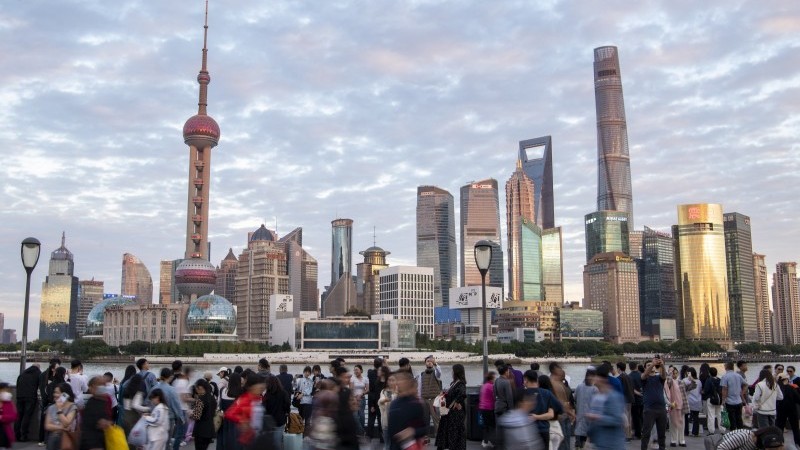
China’s national holidays are well known for being key windows of consumption and tourism, so much so that economic data is often shaped by these holidays; much of China’s January and February data is published in one block in March to avoid market overreactions to year-on-year data; China’s Lunar New Year and Golden Week data are tracked closely.
The long holiday periods are often big bursts of consumer demand, but they also result in a less-than-optimal result for consumption and tourism, with overcrowding. We believe the balance should shift toward more statutory annual leave to be used at employees’ discretion, to help smooth out the consumption and tourism demand throughout the year. China’s statutory leave scales by years of service and is only 5 days for employees with under 10 years of tenure at a company, limiting discretionary travel outside the main holiday windows.
Many would-be travellers have sworn off trips during the big holiday windows due to the overcrowding and high prices, while tourism sites remain relatively underutilised the rest of the year. Holiday reform could be a low-cost, high-impact move to boost domestic activity to supplement more traditional policy stimulus.