
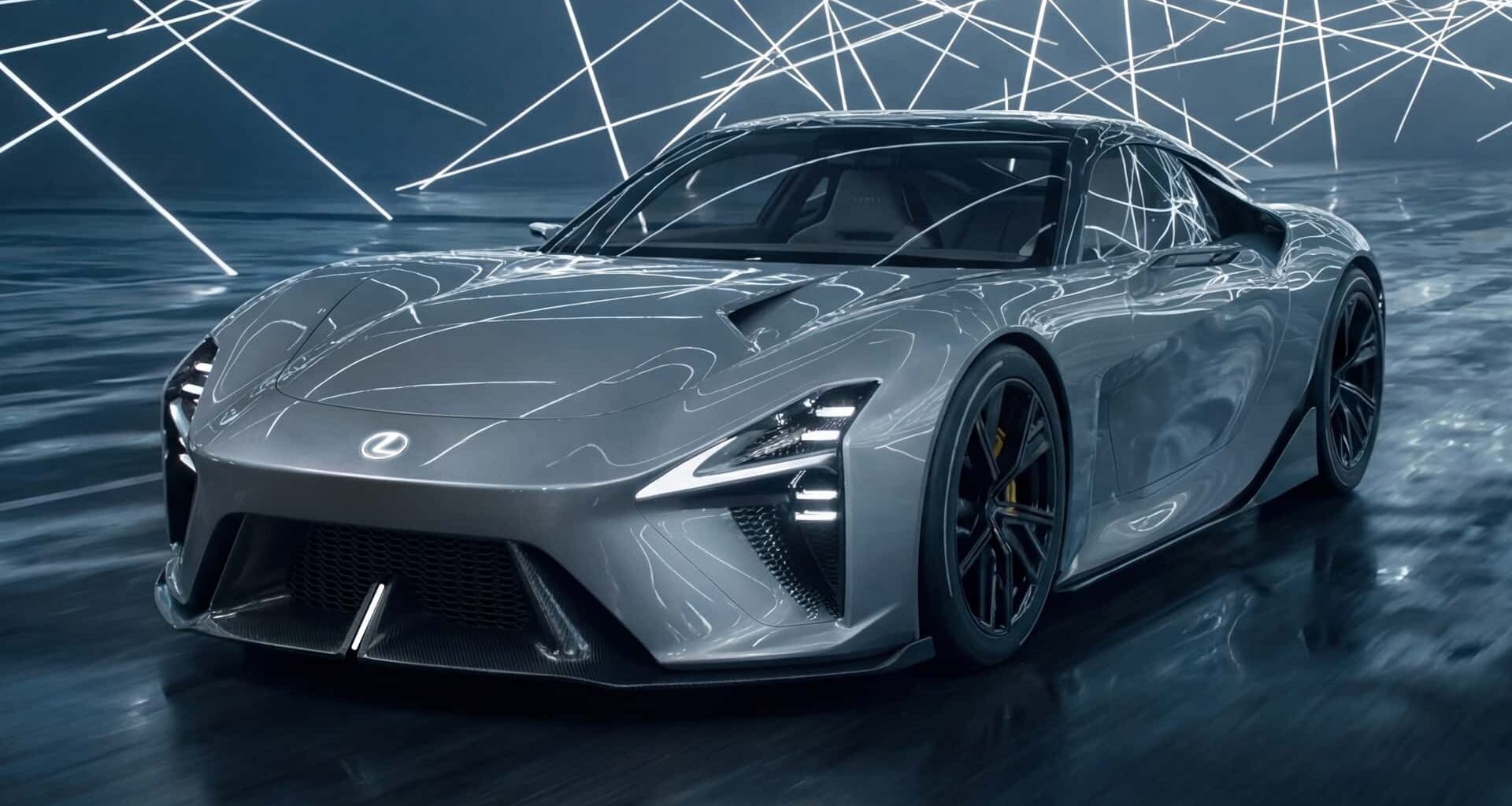
The Lexus LFA is a concept for now, but with roots in the production-bound Toyota GR GT3, it looks ready for prime time.
We know it’s electric, but that’s all Toyota has said about the powertrain.
A low-slung supercar would be a great opportunity for Toyota to introduce its solid-state battery technology, which is supposed to arrive before 2030.
The Lexus LFA may be coming back.
A short-lived V10 supercar, the LFA could get new life as an all-electric sports car. It’s not confirmed for production yet, but with Toyota finally getting serious about EVs, the LFA looks like a prime opportunity for a true halo EV.
It starts with the base of Toyota’s upcoming GR GT, a long-rumored front-engine sports car developed by Toyota’s racing department. There has been plenty of speculation about a Lexus companion model, fueled in part by the company’s own “Lexus Sports Concept,” which it showed off at Monterey and the Japan Mobility Show this past fall. And don’t be surprised by the LFA’s similarity: This is the same concept, renamed.

15
Source: Lexus
But the name alone is especially notable here. The LFA label carries a special significance within Toyota. The original car was developed under close supervision by now-Chairman Akio Toyoda and his mentor, the company’s original “Master Driver,” the late Hiromu Naruse.
That LFA was a V-10-powered, high-revving screamer of a supercar, with a carbon-intensive body and a visceral soundtrack, produced between 2010 and 2012. Yet despite its expensive development and positive reputation in the enthusiast community, the LFA was not considered successful as a halo car.
Lexus attempted to recoup its development budget with a stratospheric asking price, charging over $400,000 in 2010 money, no less. It didn’t help that the LFA was designed to herald the arrival of sharper-driving core Lexus models—but those never really arrived in large numbers.
Photo by: Lexus
There’s reason for optimism, though. In the decade and a half since, Lexus launched the GS F as a high-performance monster, and the LC 500 won over enthusiasts and passersby alike with its gorgeous looks. Sales have also been slow, but the LC never had the power to tackle the supercar market; It was a grand tourer, and a damned good one at that.
Moreover, the original LFA’s reputation has been rehabilitated with time. Today, it’s a sought-after collector’s item, as enthusiasts have come to respect its screaming V-10 engine, unique sound and fascinating backstory.
An electric LFA would be something different. Based on its low, wide stance and its GT3 roots, the LFA looks more hardcore than any electric Toyota or Lexus before it. But to deliver an ultra-sharp supercar experience, you need a lightweight platform.
One way Lexus could achieve that: Solid-state batteries. Toyota has made no secret of its solid-state ambitions, with plans to launch a commercial SSB this decade. A lightweight electric supercar would be the perfect demonstration platform for such a breakthrough technology, and would give the LFA a chance of usurping the gas-powered GR GT3’s performance.
Photo by: Lexus
That’s speculation for now, though. Lexus isn’t saying anything about when the LFA would go into production, assuming it gets built at all. But flush with cash and behind on the EV race, Toyota has ever reason to swing big with a halo project. An electric Lexus LFA is a chance for the company to do just that.
Contact the author: Mack.Hogan@insideevs.com.
We want your opinion!
What would you like to see on Insideevs.com?
– The InsideEVs team