
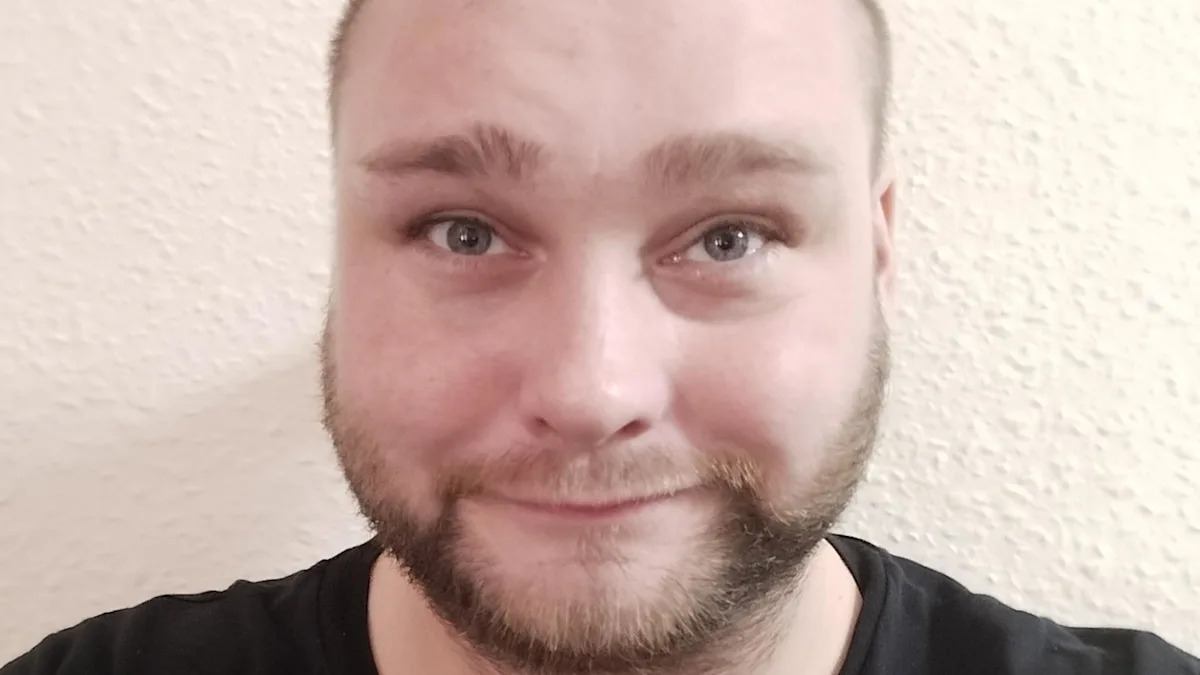
A man who has suffered from hallucinations for nearly two decades said a new therapy being trialled in South Yorkshire had helped him change a “narrative of powerlessness”.
Thom Brandwood-Spencer, 28, first started seeing false images when he was walking home from school, aged nine, and saw himself hopping between lampposts.
He said the visions became more “sinister” as he reached his teenage years, causing him to feel “in danger, as if the images and sounds were portents of things to come.”
Now, researchers at the University of Sheffield say a trial of IMAPS talking therapy, which aims to help psychosis patients understand and replace images with more positive ones, is showing “promising results”.
Psychosis is an umbrella term for when people lose some sense of reality, such as having delusional beliefs or hallucinations.
Around three-quarters of sufferers report having intrusive mental images.
Mr Brandwood-Spencer was diagnosed with paranoid schizophrenia, a type of psychosis, after he started hearing voices and seeing featureless figures as a teenager.
But after 12 weeks of talking therapy he learned techniques such as putting the figures into diving suits or armour.
“I came to see that the threat wasn’t from the figures, but from my own feelings, and grasping that made a significant difference,” he said.
“It helped me feel like they couldn’t get me anymore.”
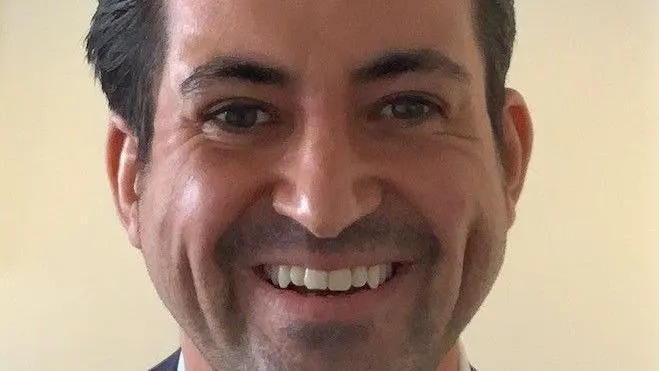
Dr Chris Taylor said images had a “more powerful impact” than words alone. [University of Sheffield]
Dr Chris Taylor, clinical psychologist and chief investigator on the trial, said: “We know that imagery has a more powerful impact on emotions and how we feel than just words alone.
“Imagine you’re somebody who’s suspicious with paranoia and you have a fear that someone’s going to break into your flat and attack you and hurt you.
“If you get a visual mental image of that as well, it makes you feel more anxious, more worried, worsens your paranoia.”
He said he hoped a full clinical trial would take place into the cost and clinical effectiveness of the treatment, and lead to it being used widely.
Mr Brandwood-Spencer said the therapy helped him separate the images from the “menacing feelings of threat” they caused.
“One of the most difficult aspects was the powerlessness and the idea that what was happening to me was permanent and inescapable,” he added.
“IMAPS helped me to address this, by changing this narrative of powerlessness.”
He now works in the substance use and mental health sectors, where he said he was “able to give people what I needed when it all began”.
Listen to highlights from South Yorkshire on BBC Sounds, catch up with the latest episode of Look North
More on this storyRelated internet links