
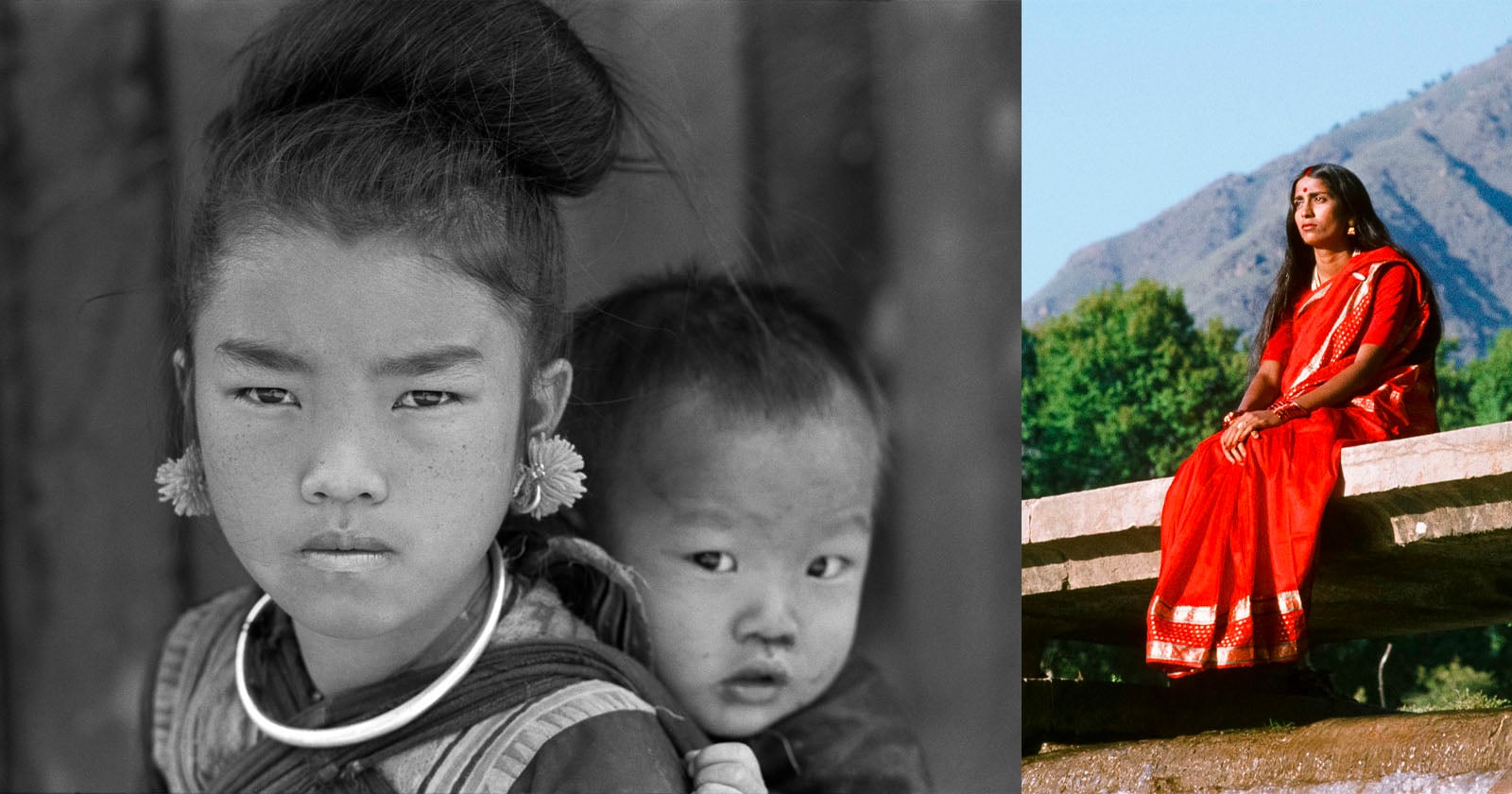
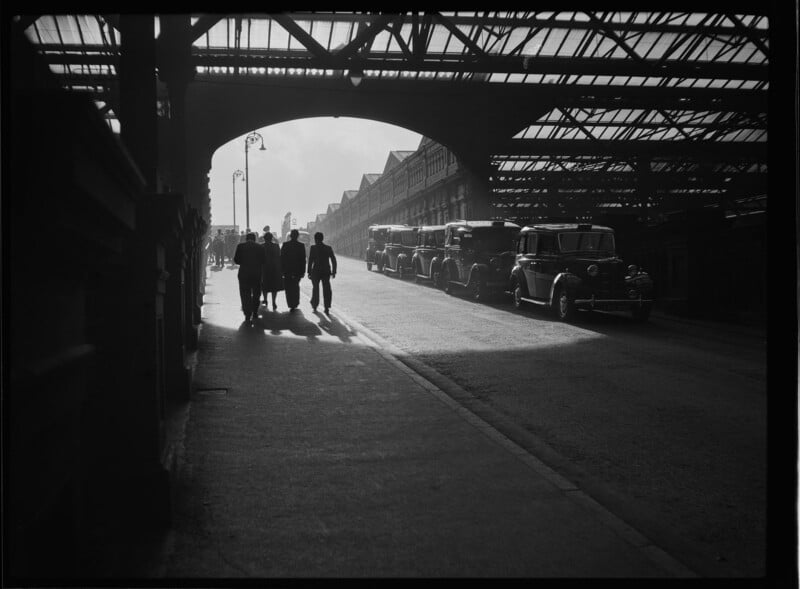
 Jack Smith is now the custodian of his granddad’s archives.
Late in 2021, Jack Smith opened the first of two carefully wrapped boxes filled with old photographic slides that had been sitting in his parents’ garage for his entire life. What he found was astonishing: his grandfather’s archive of 80,000 images taken across decades and 40 countries.
Jack had always known his paternal grandfather, Herbert, was a keen amateur photographer, but had no idea that he was so accomplished and so well-traveled. The discovery set off a chain of events that led to the birth of A Blank Wall, a project led by Jack showcasing Herbert’s remarkable photography.
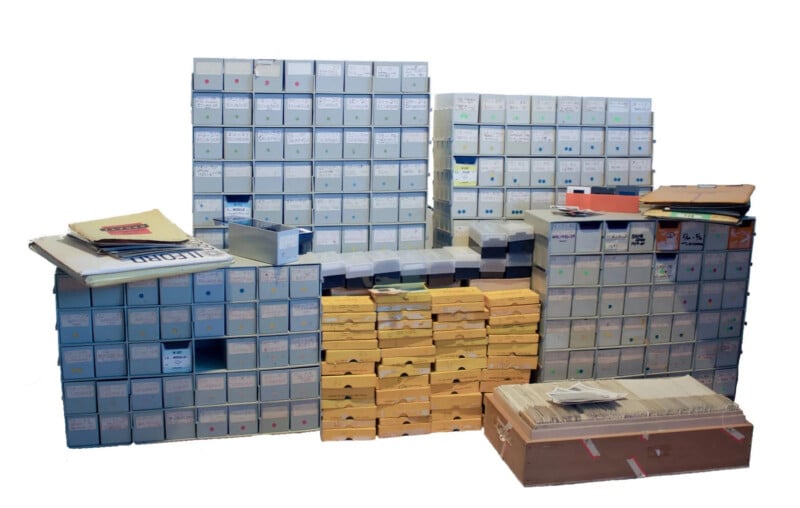 The stacks of slides Jack opened in 2021.
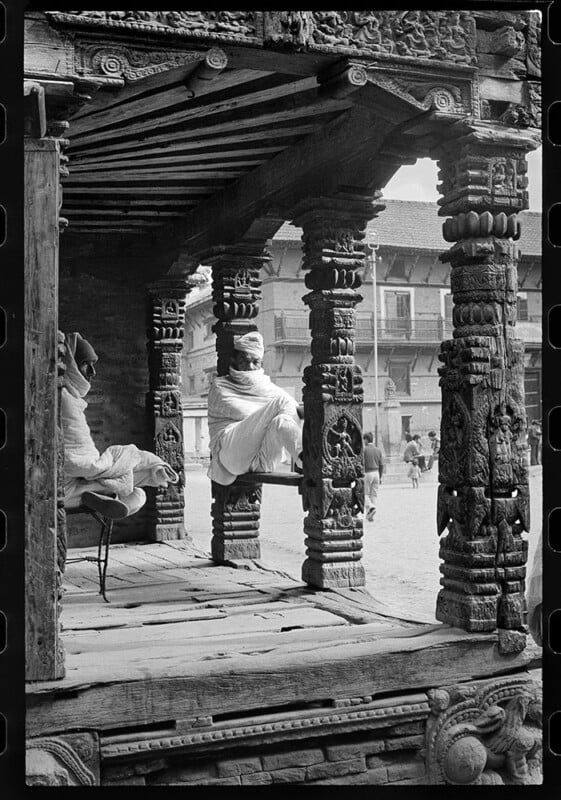
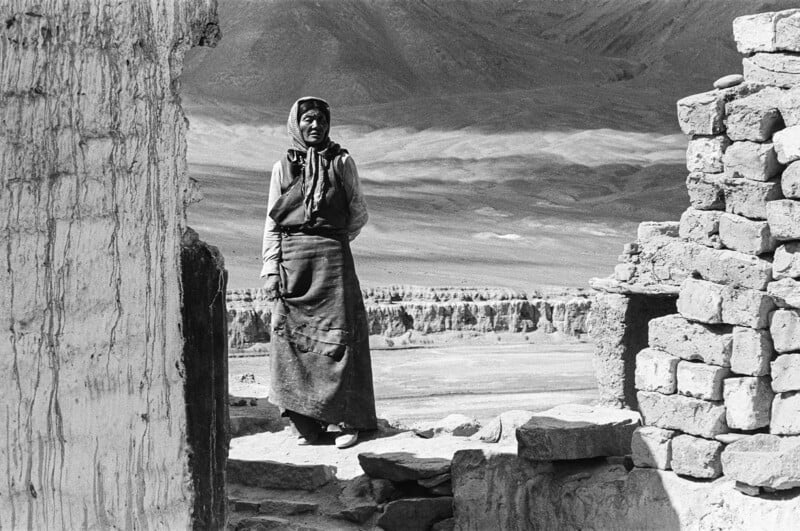
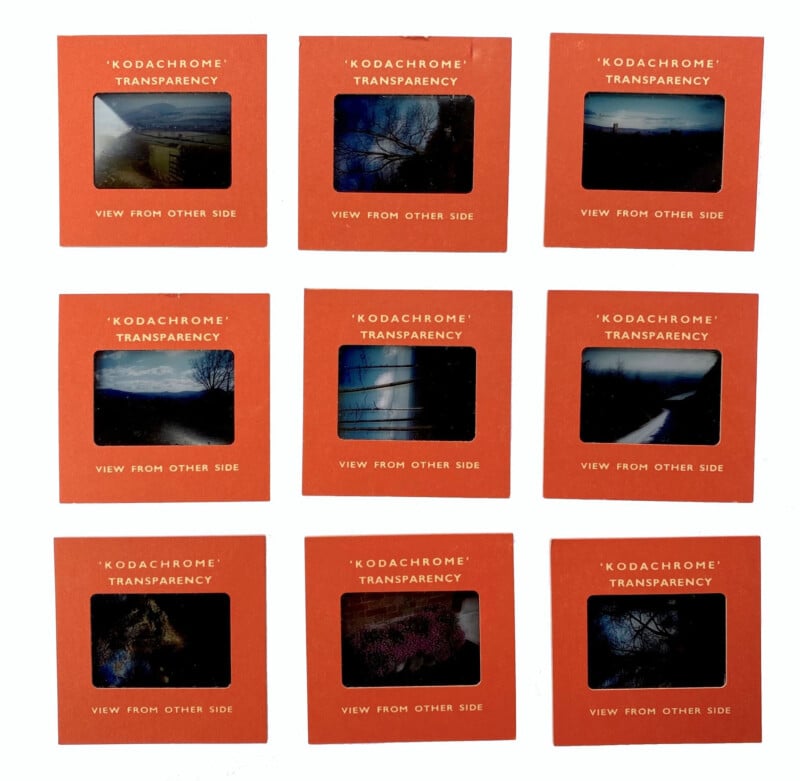
The archive consists of roughly 65,000 color positive slides and 15,000 black and white negatives. Herbert, from Bolton in the North of England, started shooting with Rolleiflex in the 1950s. From the early 1970s, he traveled with his two Olympus OM-1s, later OM-4s, to far-flung destinations including South Africa, Bolivia, Fiji, and Russia.
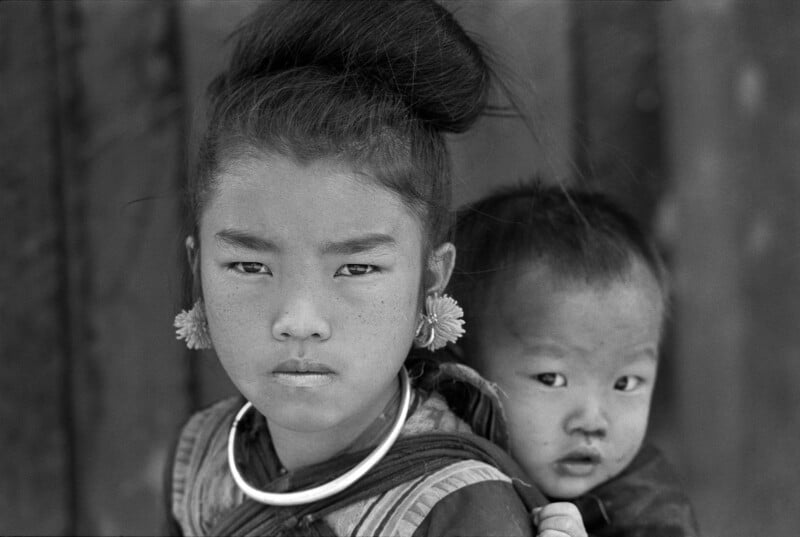
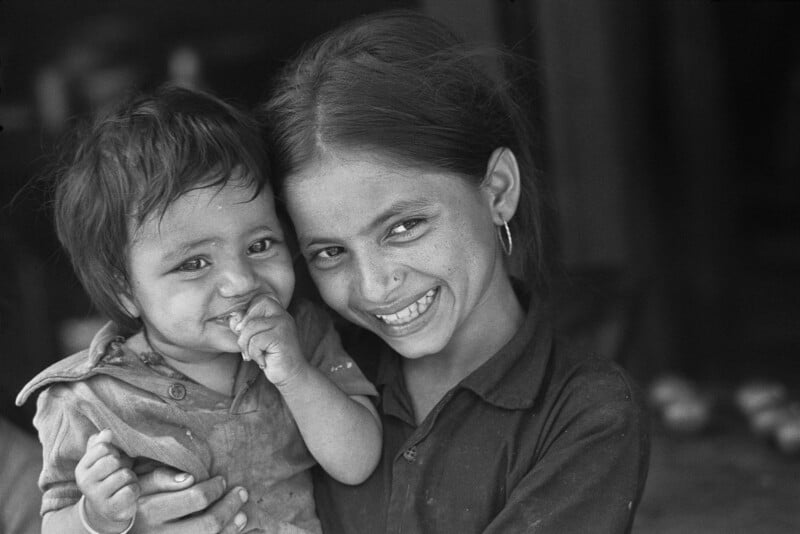
“I think his style was a kind of fly-on-the-wall travel photography,” Jack tells PetaPixel. “He was obsessed with people; he would go to Guatemala or Tokyo or South India, and half of his photos would be of people. He would often engage with them, stop them in the street, and ask for a situational portrait. As a result the collection is a highly personal take on the world as he saw it.”
Jack says that Herbert would go to remote areas of the world to take photographs. While it may be common to see a photographer on Instagram doing that today, in the 1960s and 1970s it was highly unusual.
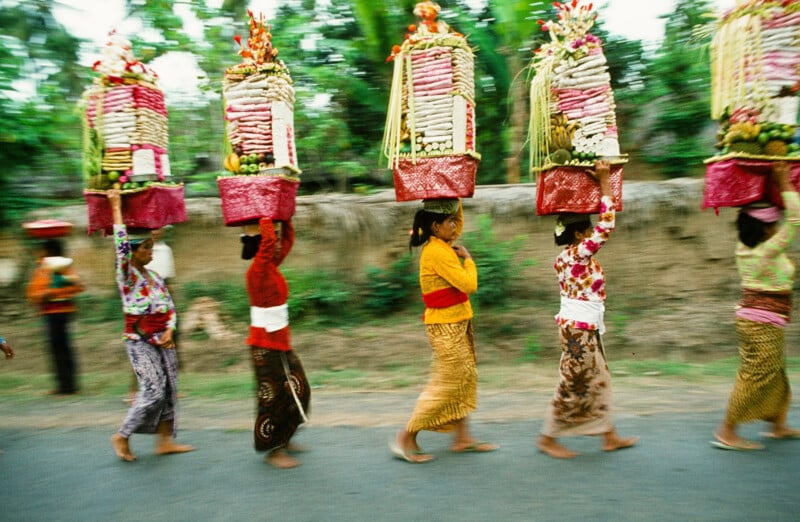 Bali, Indonesia, circa 1976.
 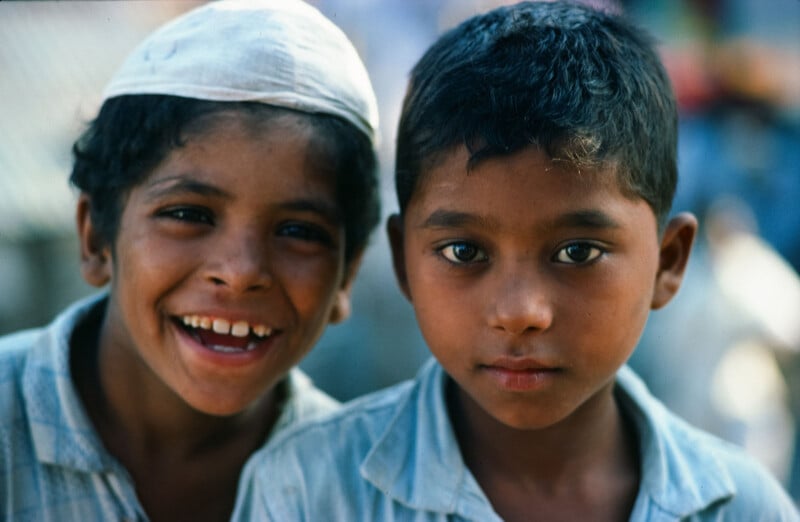 Kabul, Afghanistan, 1975.
 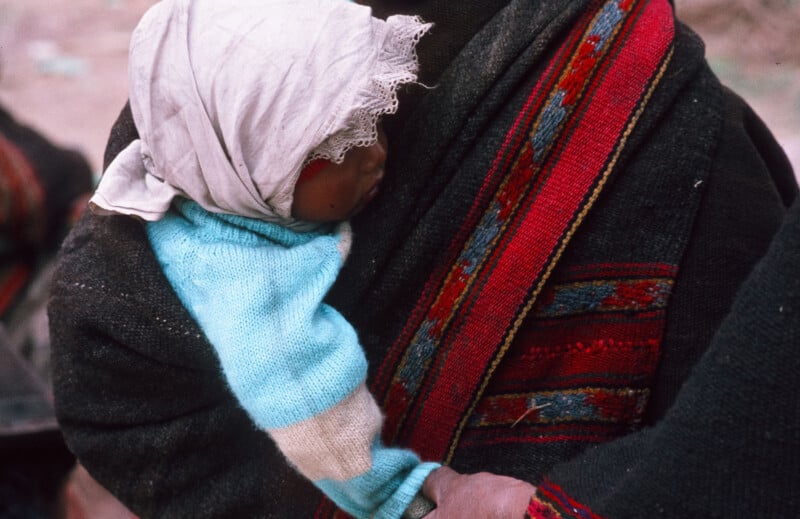 Peru, 1978.
 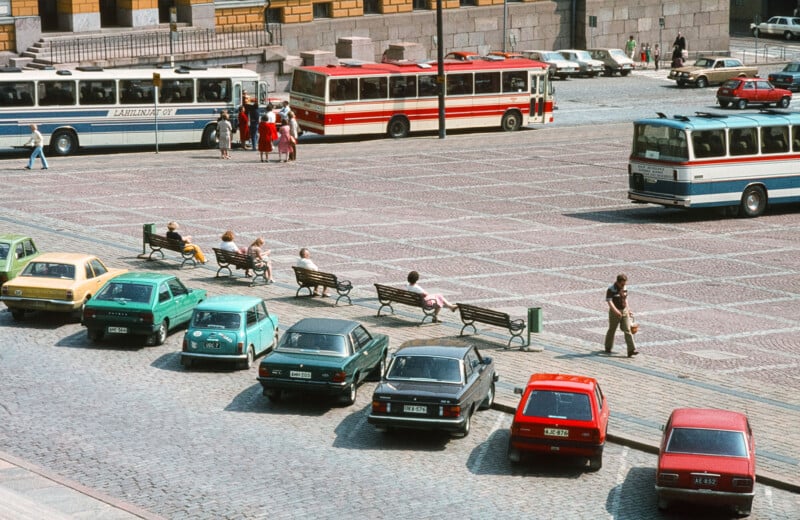 Finland.
 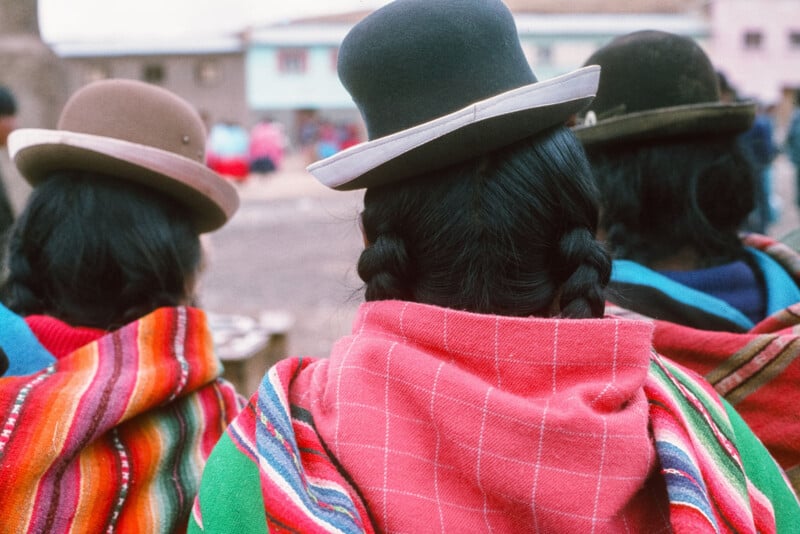 Bolivia, 1978.
 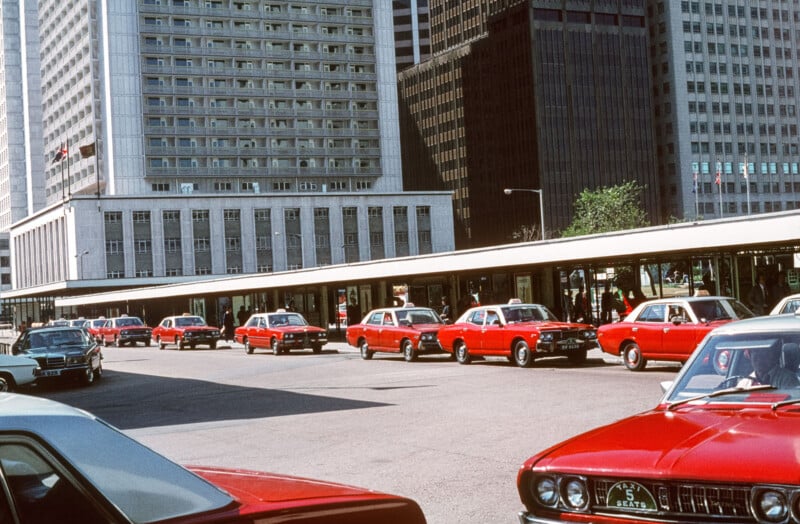 Possibly Hong Kong.
 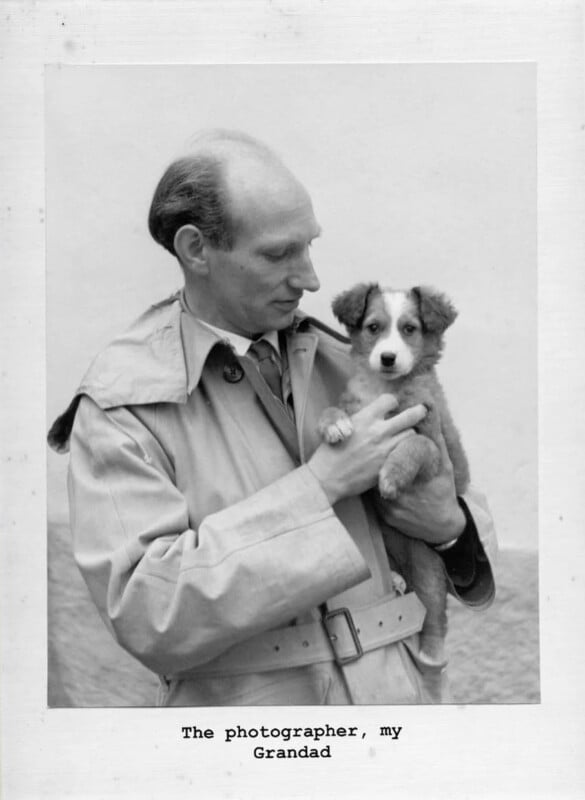 Herbert Smith
Jack says that by going through Herbert’s archive, he can see his progression as a photographer. “Early on, there’s a lot of holiday snaps, he’s experimenting and playing around,” Jack says. “But it’s super interesting because you can see him developing his craft in the collection, particularly with black and white printing. He was a surgeon and a similar methodical, meticulous approach is evident. It’s clear that he was extremely dedicated and spent a lot of time on his photography.”
Among the collection are Kodachrome 25 and II, Agfachromes and Fujichrome transparencies, Ilford black and white 35mm negatives, 127mm medium format negatives, and sporadic large format film. Jack has breathed fresh life into the once-forgotten archive by starting A Blank Wall, a website and Instagram featuring Herbert’s work.
A Blank Wall has over 250,000 followers online and Jack uses today’s social media to communicate his grandfather’s untold stories from the past. “I discovered early on that people love the storytelling around his photography,” he explains. “But people also love the storytelling around how his photography was found.”
Jack says that his intergenerational story has struck a chord with the public. “People love delving into the past; they also love having some historical link to today, which is my Dad and me.”
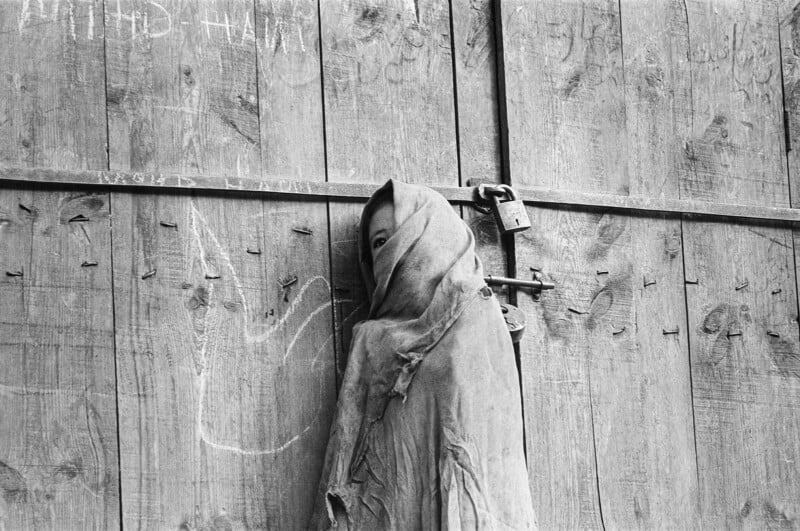
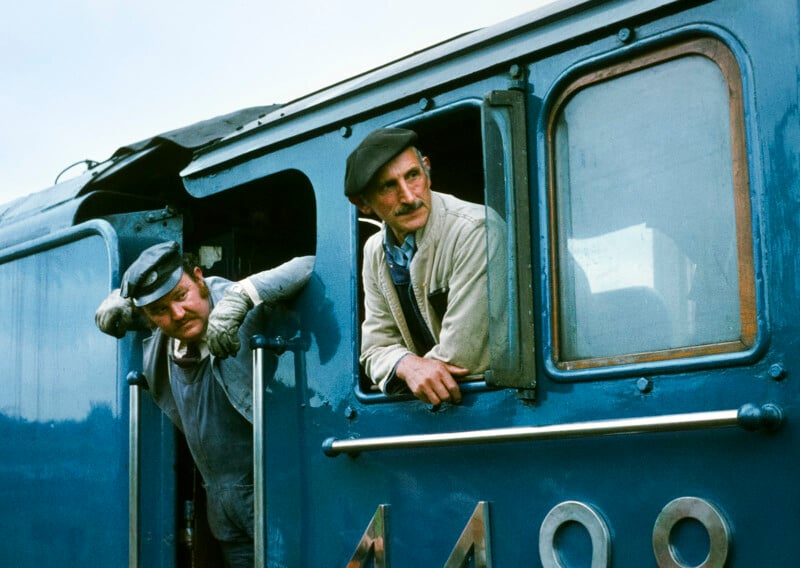
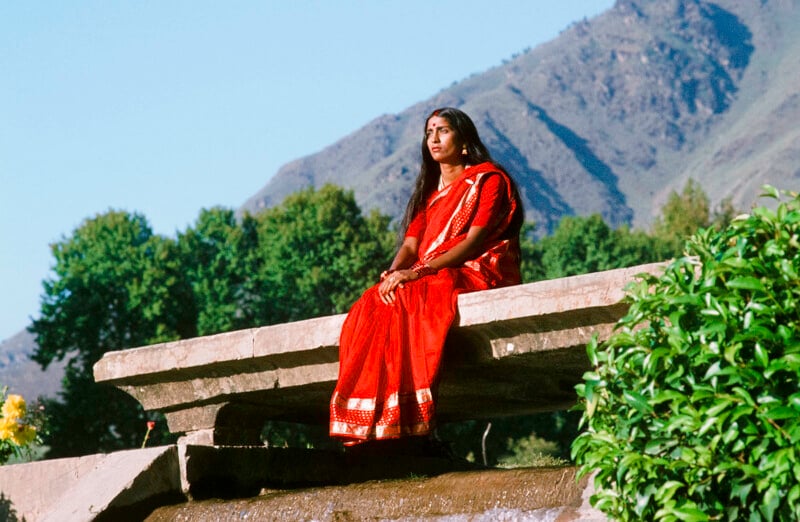 North India, circa 1974.
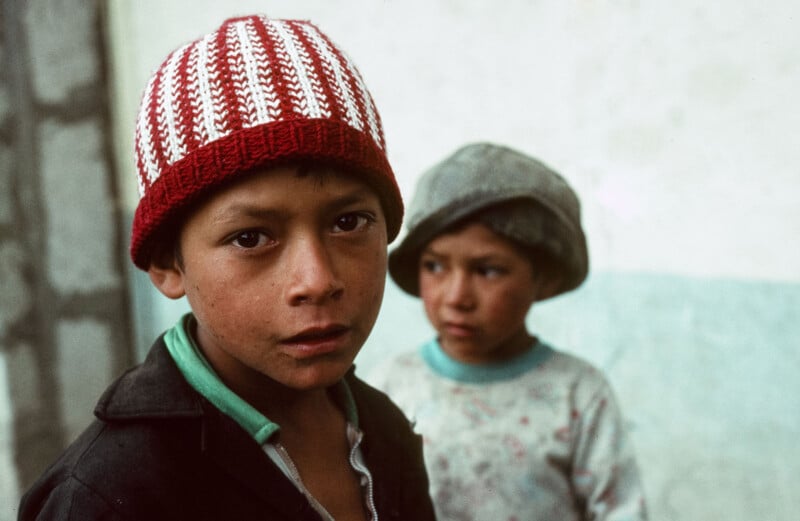 Ecuador, 1983.
 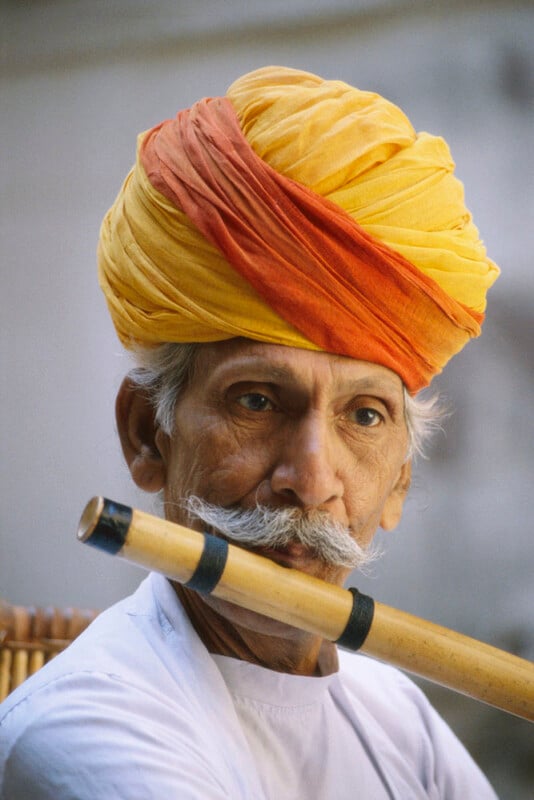 North India, 1974-84.
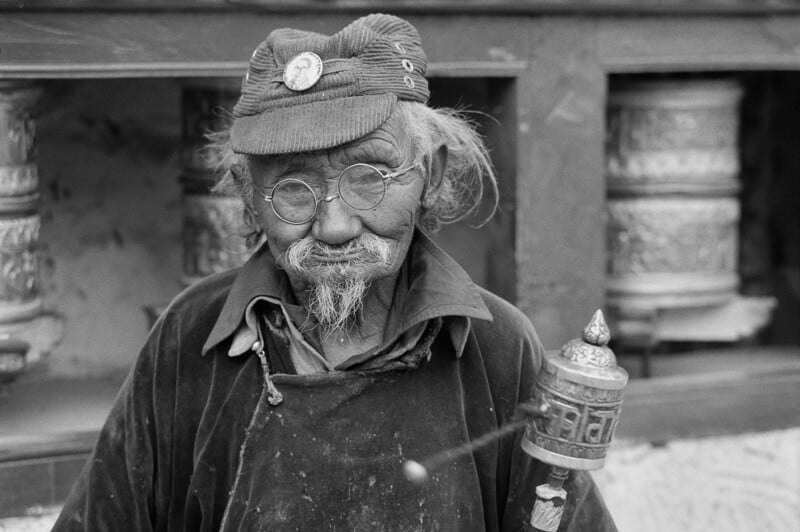
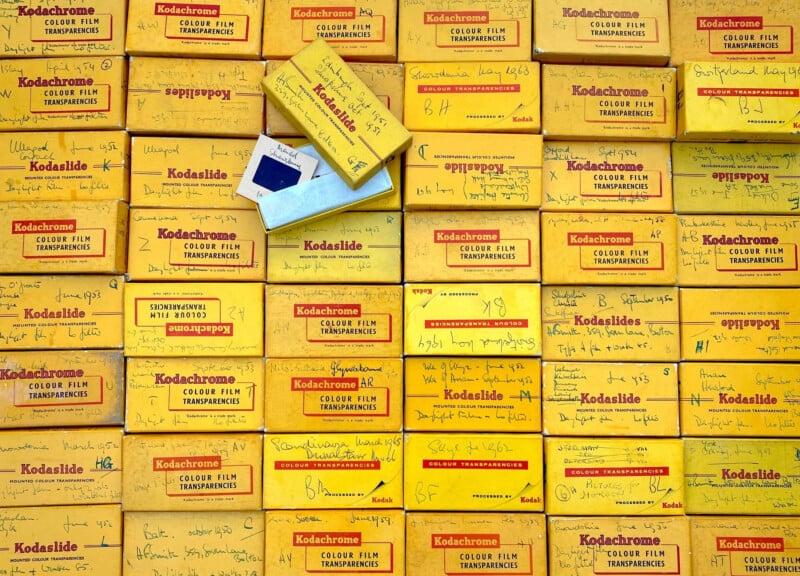 Some of the color film transparencies.
Jack, now in his late 20s, never met Herbert who died ten years before he was born but has gotten to know him better through his photos. While Jack’s father — who also happens to be a photographer — is the link between them, he’s also spoken to some of Herbert’s friends who tell him that he was a quiet and well-meaning man with a very British sense of humor — dry and witty.
“I know he had a deep respect for the creative arts and culture, generally,” adds Jack. “So when he went on some of these trips in the middle of nowhere, it was out of curiosity more than anything else, which is a great thing to hear.”
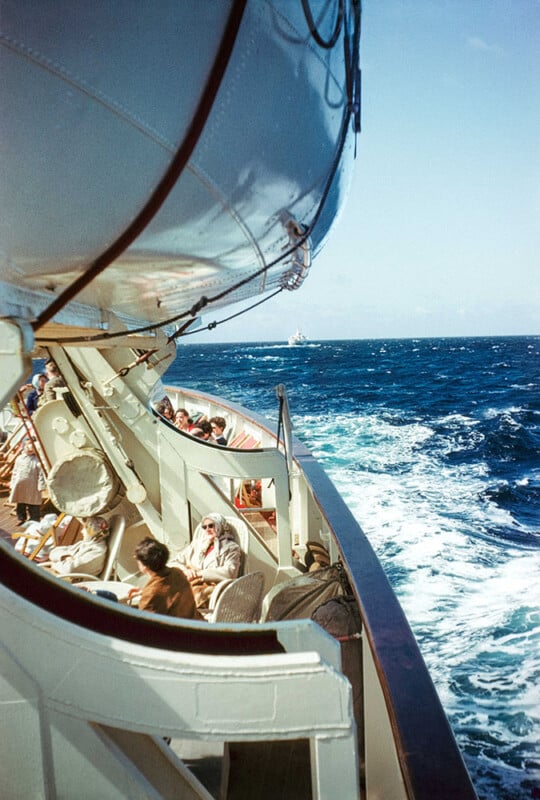
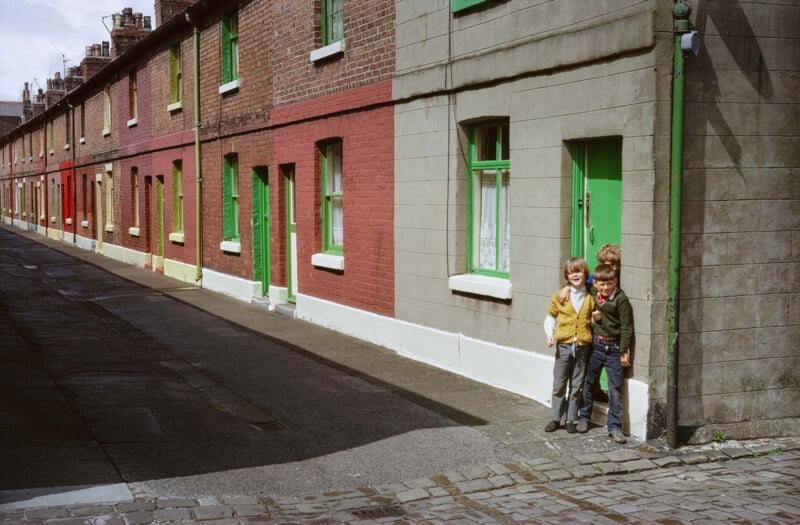 UK, circa 1970s.
 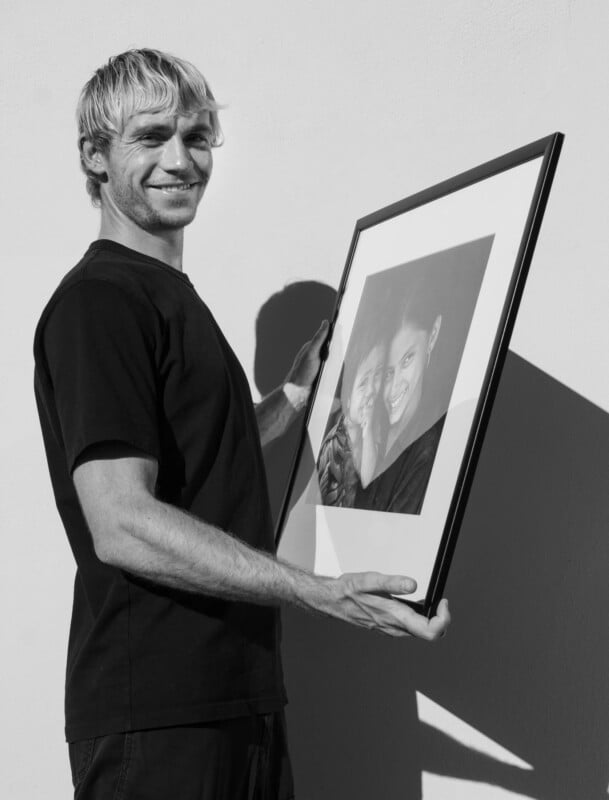 Jack Smith
Jack began the project when he was working in London. When he discovered Herbert’s archive, it became his creative outlet. The project has enabled him to learn more about the craft of photography.
“At first, I didn’t know how to deal with the collection. I began by seeking advice from friends who are photographers and I realized that I ought to spend some time unearthing the untold stories behind the images. After discussing it with my family, I began learning how to document and archive his work.”
The collection has something of a Vivian Maier vibe to it. However Herbert was not totally unknown: he was a fellow of the Royal Photographic Society and he was friends with a number of professional photographers, particularly Alf Gregory, who took the photographs of the first ascent of Mount Everest in 1953. Despite encouragement, Herbert never published any of his work, only putting a few up for competition and occasional shows to local photography societies.
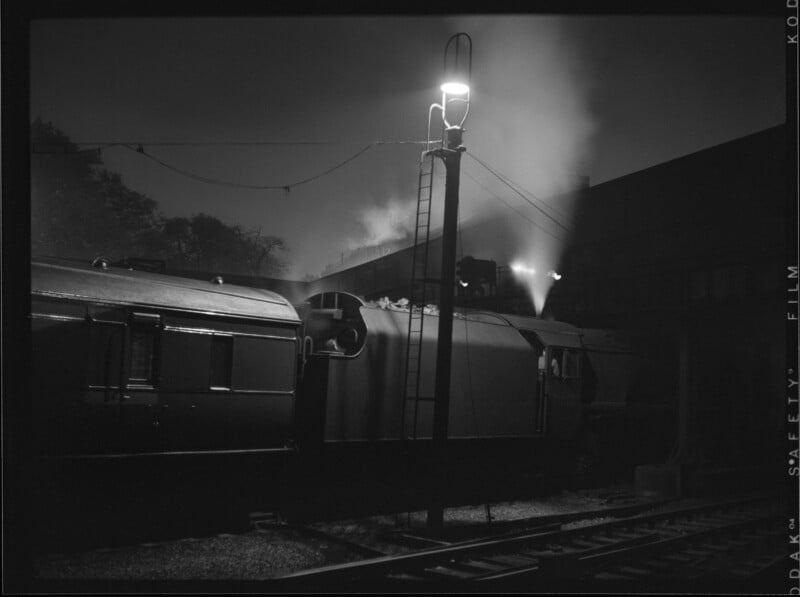
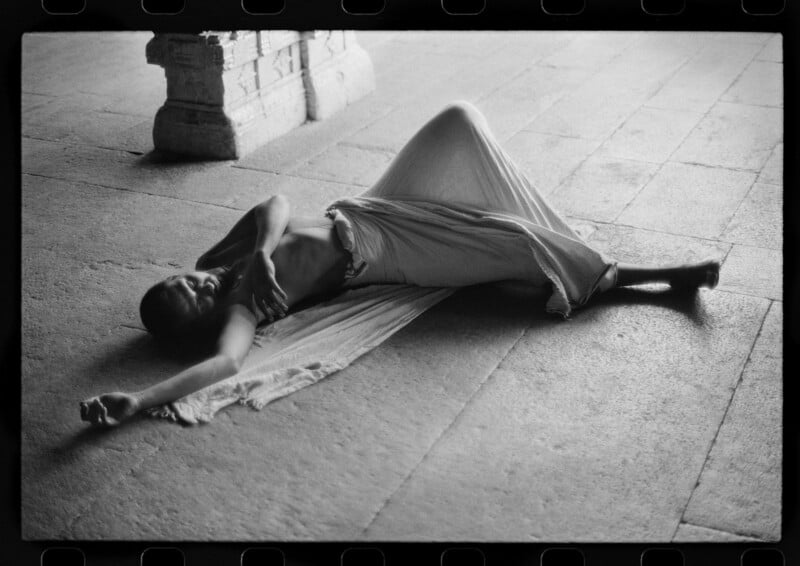
As he’s got better at digitizing and archiving the slides, Jack has realized that at some point, he would like to pick up the same camera his granddad used and follow in his footsteps by traveling to the same areas Herbert visited.
“I also want to use the projects as a creative platform; not just highlighting my grandfather’s photography but to highlight other photography I like,” he says, while adding that a book will come one day and possibly a move into longer-form video, too.
To check out the A Blank Wall project, and to buy prints of Herbert’s work, head to Instagram and the website.
Image credits: Herbert Smith, courtesy of Jack Smith