
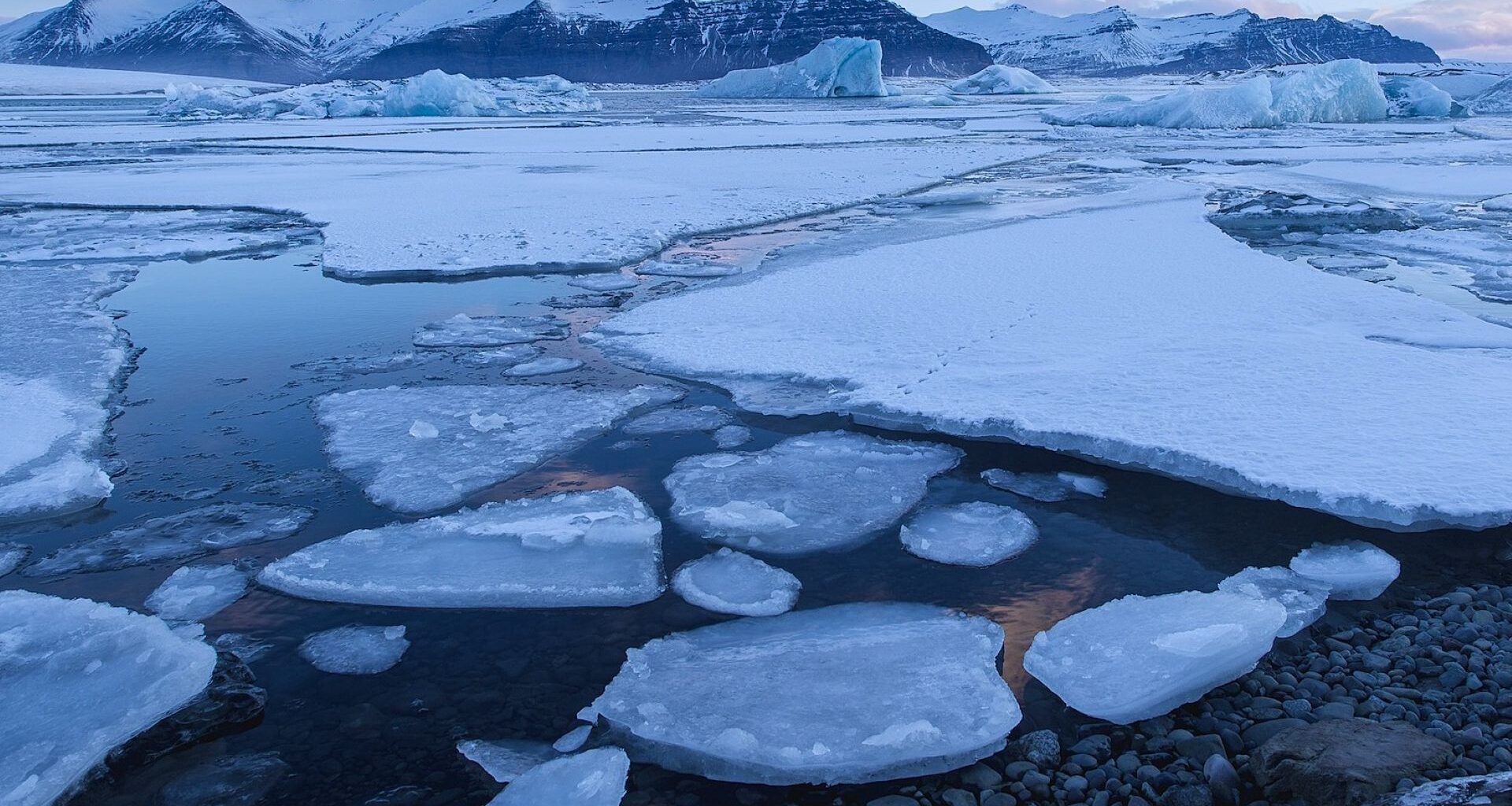
Violent underwater “storms” could cause the West Antarctic Ice Sheet to melt much more quickly than originally thought, a new study found, which could also put more coastal communities at risk.
What’s happening?
As reported by Grist, scientists believe the West Antarctic Ice Sheet, which covers more than 750,000 square miles, is being damaged by “storms” that occur in the waters beneath the mile-thick ice.
According to the study, which was published in the journal Nature Geoscience, these storm-like events are a result of the frequent melting and freezing of ice along the shelf.
When the ice freezes, it expels salt into the Southern Ocean. As it melts, it forces fresh water into the ocean, changing the water’s density and creating significant volatility.
“They look exactly like a storm,” study author Mattia Poinelli told Grist. “They’re strongly energetic, so there is a very vertical and turbulent motion that happens near the surface.”
These storms cause pieces of the ice shelf to break off the bottom and melt more quickly. That quicker melt releases more fresh water into the ocean, which creates more of these underwater storms, resulting in a destructive cycle.
TCD Picks » Upway Spotlight
💡Upway makes it easy to find discounts of up to 60% on premium e-bike brands
Why is melting ice important?
Arctic and Antarctic ice melt is one of the most significant side effects of global temperature increases, and one that could have devastating consequences worldwide.
As humans continue to burn fossil fuels and emit large amounts of heat-trapping pollution into the atmosphere, temperatures continue to soar across the planet. The last 10 years have been the 10 warmest on record, a trend that experts expect to continue.
The warmer our planet becomes, the more ice melts, causing ocean levels to rise.
“In the future, where there is going to be more warm water, more melting, we’re going to probably see more of these effects in different areas of Antarctica,” Poinelli told Grist.
Rising sea levels, combined with the increase in severe storms that also comes with higher temperatures, puts more areas at risk of major flooding. And if sea levels rise high enough, entire coastal communities could be washed away.
If the entire West Antarctic Ice Sheet were to melt, for example, ocean levels worldwide could rise by a whopping 10 feet.
What’s being done about melting ice?
The only way to stop glaciers and ice sheets from melting is to take steps that prevent our planet from getting even warmer.
The Paris Agreement, signed by nearly 200 countries, is one such step. But each of us can also take actions to reduce our pollution output, such as switching to an electric vehicle and using less plastic.
Solar panels paired with battery storage is one of the best ways to decrease your carbon footprint, while also making your home more resilient in the face of extreme weather conditions. A home solar system can also slash your utility bills, saving you a lot of cash over time.
For those interested in solar panels, check out TCD’s Solar Explorer to connect with vetted local installers and receive curated competitive bids that can save you up to $10,000 on solar installations.
One of TCD’s partners, EnergySage, offers a free service to help you reach trusted installers and save even more money on a home solar system.
Get TCD’s free newsletters for easy tips to save more, waste less, and make smarter choices — and earn up to $5,000 toward clean upgrades in TCD’s exclusive Rewards Club.
