

Listen to this article
Estimated 3 minutes
The audio version of this article is generated by text-to-speech, a technology based on artificial intelligence.
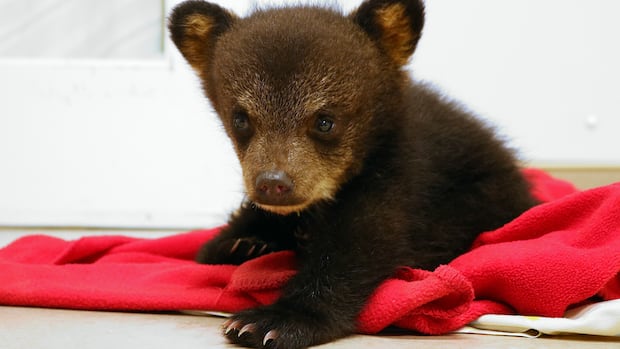
Wildlife rehabilitation group Hope for Wildlife is in the process of getting Nova Scotia’s first black bear cub rehabilitation centre up and running by the spring.
The 40-hectare enclosure will be located in a remote area of Cape Breton to reduce the possibility of human contact.
Orphaned black bear cubs will be given shelter and care with the aim of returning them to the wild.
For Hope Swinimer, the organization’s founder and operator, the project brings her one step closer to a dream she’s had for 20 years.
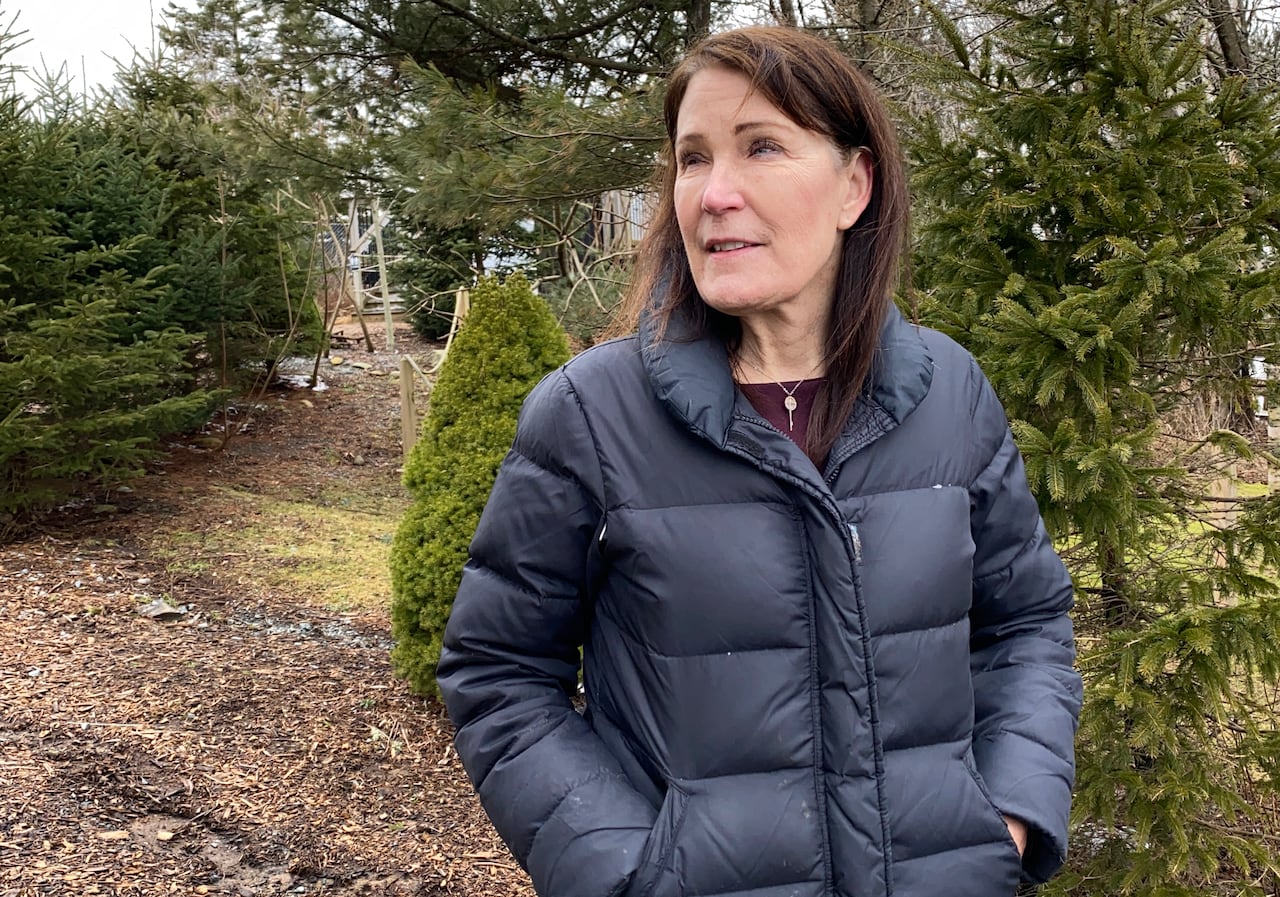 Hope Swinimer said the project brings her one step closer to a dream she’s had for 20 years. (David Laughlin/CBC)
Speaking to CBC Radio’s Information Morning Nova Scotia, Swinimer said the centre is part of the organization’s environmental conservation mission.
“We’ve been striving toward this for a long time and we just couldn’t be happier and genuinely delighted.”
Swinimer said there was an acute need for this type of facility as the province previously lacked a legal pathway to care for orphaned cubs.
Recent progress follows years of discussion with the Department of Natural Resources.
“The reason times are changing and we’re able to move forward slowly … is just a constant back and forth between Hope for Wildlife and DNR,” she said.
“Lately it’s been in a very respectful way and we seem to be making headway.”
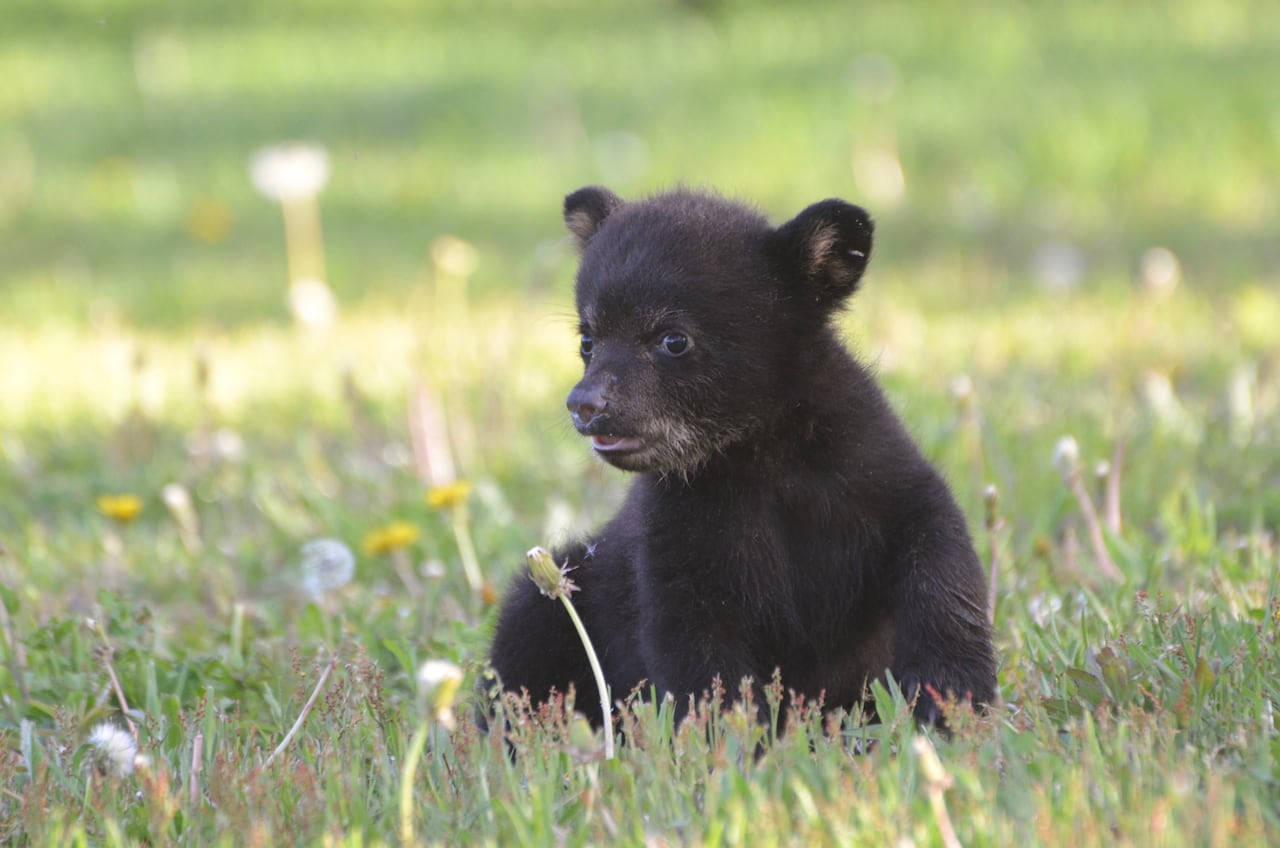 Orphaned black bear cubs will be given shelter and care with the aim of returning them to the wild. (Hope for Wildlife)
Swinimer said she believes public conversation around a proposed spring bear hunt helped bring attention to the issue of rehabilitation.
She said the public became aware that wildlife rehabilitation for black bears is done all over the world and helped her organization build its case.
According to Swinimer, a key part of Hope for Wildlife’s mission is education.
The bear program will expand that mandate and help the public learn about coexistence and safety, she said.
Additionally, she said, caring for the cubs will also provide valuable research data.
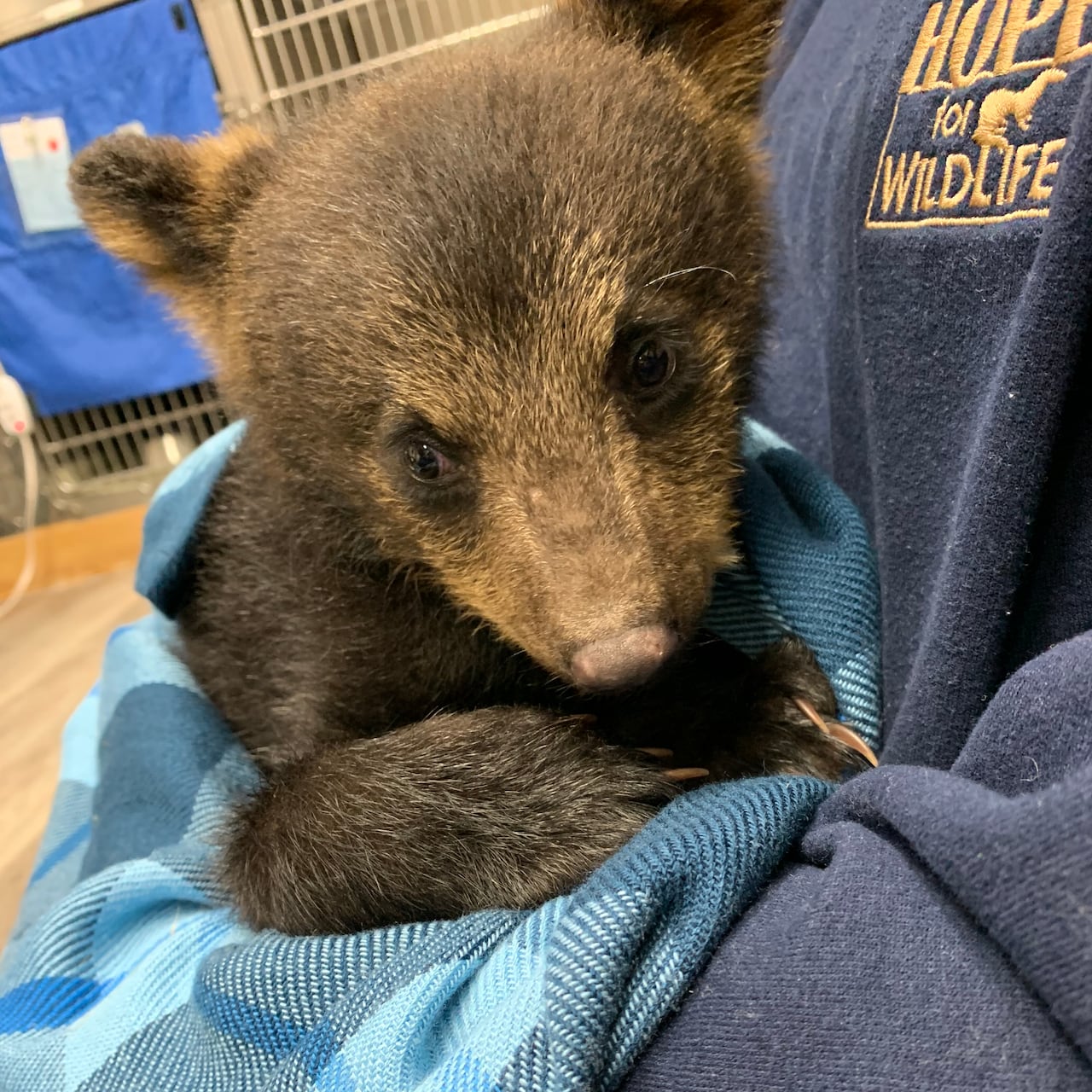 Swinimer said caring for the cubs will also provide valuable research data. (Hope for Wildlife)
Swinimer said they are expecting a modest number of cubs each year, although environmental changes make predictions difficult.
She said a primary concern for any wildlife rehabilitation is ensuring the animals do not become habituated to humans.
She said extensive research has shown that rehabilitated bears don’t behave any differently to those raised in nature.
” We’ve been trying to do this for a long, long time,” Swinimer said.
“I don’t have just the file folder on how to rehab black bears. I have pretty well a filing cabinet full of data.”
She said the cubs’ stay in care will vary and DNR will make the final determination based on each animal’s condition.
All release decisions, including location, will rest entirely with the provincial department.
“They will actually be the ones bringing in the cubs to us, and they’ll be the ones picking them up and taking them to their release site,” she said.
MORE TOP STORIES: