
Read: 3 min
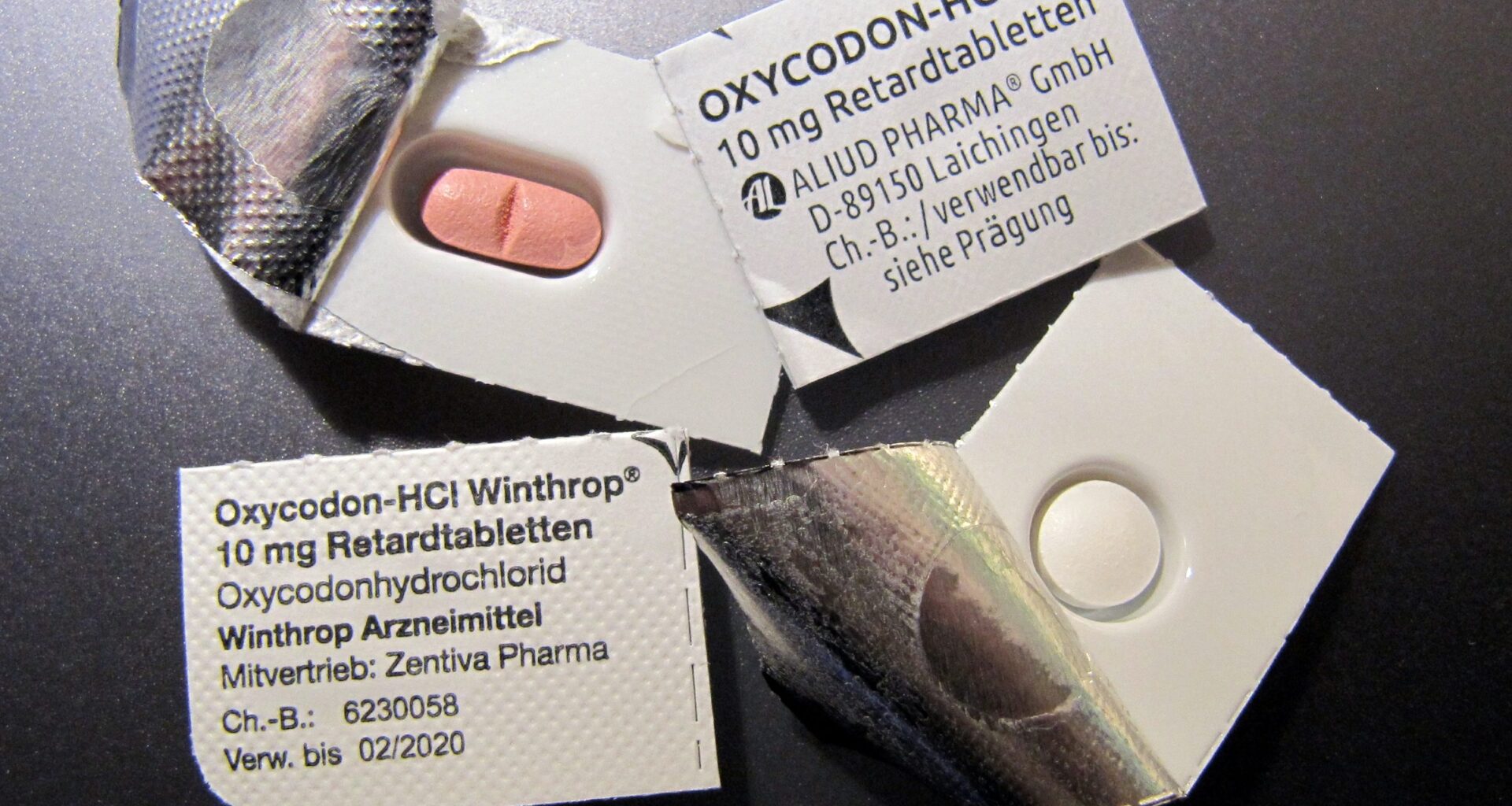
New research shows the number of Canadians taking prescription opioids is falling, even amidst ongoing shortages of common pain medications such as Tylenol 3 and Percocet.
Some experts say the trend is indicative of doctors adopting more cautious prescribing practices.
“This is a deprescribing strategy that reduces harm,” Jennifer Lake, a pharmacy professor at the University of Toronto, told Canadian Affairs in an email.
But others warn that persistent prescription opioids shortages are still cause for concern.
“I do not believe a shortage of pain medications, or any medication for that matter, is a blessing in disguise,” Jaris Swidrovich, an assistant professor of pharmacy at the University of Toronto, told Canadian Affairs in an email.
A long-standing crisis
Canada’s opioid crisis can be traced back to the late 1990s, when overzealous prescribing practices sowed the seeds for widespread addiction.
As the highly addictive nature of prescription opioids became clear, doctors began to dramatically curtail their prescriptions — creating a supply vacuum that illicit suppliers rushed to fill.
Black market opioids, particularly fentanyl, can be deadly, even in very small amounts. About 54,000 Canadians died from opioid overdoses in the past decade, and opioid overdoses continue to claim an average of 18 lives each day.
A new academic study suggests this crisis may be prompting doctors to even further curtail opioid prescriptions.
The Oct. 27 study in the Canadian Medical Association Journal found prescription opioid dispensing declined across six provinces — B.C., Alberta, Saskatchewan, Manitoba, Ontario and Quebec — between 2018 and 2022.
During this period, the number of new patients starting opioids dropped by nearly eight per cent, and the number of people already using them fell by just over 11 per cent.
The study notes that population-level data were not available for some regions of Canada, including the territories and Atlantic provinces, where prescribing patterns may differ.
The declines in the six provinces, the study says, “aligned with national efforts to promote appropriate opioid prescribing for acute and chronic noncancer pain in Canada.”
David Juurlink, an internist and head of clinical pharmacology and toxicology at Sunnybrook Health Sciences Centre in Toronto, said in a commentary accompanying the study that opioids’ perceived safety is “where prescribers’ collective blind spot yawns widest.”
Juurlink says opioids have long been overused as the default treatment for pain. But they are really most effective in the first few days of treatment, at low doses, and when combined with other strategies.
Many Canadian physicians now prefer to prescribe nonsteroidal anti-inflammatory drugs — such as ibuprofen or naproxen — as the first-line treatment because opioids carry higher risks of addiction and dependence.
“These changes mark a continued departure from the heyday of opioid prescribing in Canada, which peaked around 2010,” Juurlink wrote.
Opportunities amid shortages
Recent shortages of opioid medications may be further prompting prescribers to revisit their prescribing practices.
Lake, of the University of Toronto, says the current shortage, which began this summer due to manufacturing disruptions, offers pharmacists and doctors the chance to review patients’ regimens and consider dose reductions or alternatives.
The shortage has been hardest on chronic-pain patients, especially those who take Tylenol 3 or Percocet daily, Lake says. She says it is an opportunity for prescribers to explore longer-acting or lower-dose options that manage pain with fewer pills.
“Chronic pain, although long lasting, can vary and improve over time,” she said. “There could be people who have been consistently taking pain medications but they have less pain, or even no pain, compared to when they started.”
Missing medication
But not all experts view the opioid shortage as a positive development.
Swidrovich, from the University of Toronto, says many patients still critically need opioids.
“Although such medication may pose harm to some, the medication exists for a reason and may be desperately needed by others,” he said in his email.
For patients with end-stage diseases or chronic, post-surgical pain, opioids remain essential for daily function and quality of life.
“The medications people take for their pain are expected to continuously change, especially as the nature of their pain changes,” Swidrovich said.
“I am hopeful that positive changes in prescriber practices will continue to be patient-centred and driven by best practices versus any changes in supply of certain medications.”
Related Posts