
Dec. 8 (UPI) — A multidisciplinary medical team in Peru successfully managed an ectopic pregnancy in which a placenta adhered to the mother’s liver was delivered as a full-term baby after 40 weeks of gestation.
Health authorities said this is the first case documented in Peru under these conditions and the fourth reported worldwide in which both the mother and the baby survived.
Health Minister Luis Quiroz Avilés said Valeria Vela, the 19-year-old mother, required a high-risk surgical procedure because removing a placenta attached to the liver could have caused fatal bleeding.
“In this type of condition, attempting to remove the placenta can cause life threatening bleeding in the mother,” he said. “For this reason, the arteries were closed by administering a special substance that blocks their blood flow and stops the hemorrhage.”
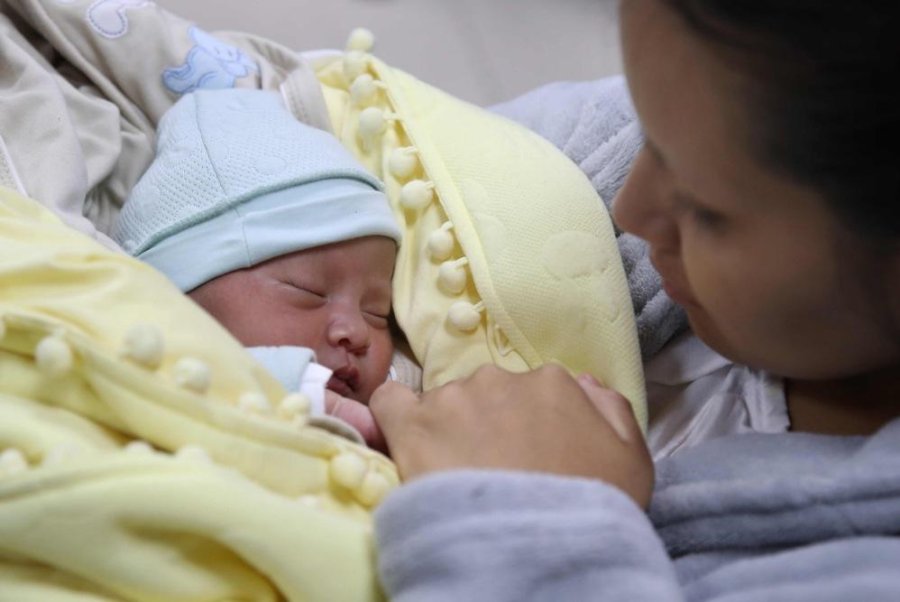
The patient is now in stable condition, and officials disclosed her case a few days after she was discharged from the hospital. The baby girl, named Aylin, was born Nov. 30 and weighed 7.9 pounds. She is reported to be in good health.
Ectopic pregnancies occur when a fertilized egg implants outside the uterus. About 96% occur in the fallopian tubes and roughly 4% in the abdominal cavity. In this case, doctors said the egg implanted directly on the liver, and the fetus received blood supply through that organ’s arteries.
What also makes the case unique is that the pregnancy reached 40 weeks. The three previously known cases, recorded during the 2000s, involved abdominal ectopic pregnancies with live births that reached up to 36 weeks.
Another exceptional aspect is that the pregnancy was not interrupted in its early or middle stages. Instead, it was closely monitored through the entire term with highly complex clinical management, according to local outlet RPP Noticias.
Doctors said advanced techniques, including embolization of the arteries feeding the placenta, made it possible to deliver the baby without triggering a life-threatening hemorrhage.
Peruvian health authorities described the case as a “medical feat” and an important milestone for obstetrics.
Specialists caution, however, that such cases remain extremely rare. Most ectopic pregnancies cannot continue, and attempting to carry them poses serious risks to the mother, including hemorrhage, severe complications or death.
The case does not alter standard diagnostic or treatment protocols. Early detection and interruption of ectopic pregnancies remain the recommended and safest approach.