
NEED TO KNOW
Scientists suggest in a new study that the Black Death may have been triggered by one or more volcanic eruptions
The disease may have been carried by fleas infected with the bubonic plague that traveled on grain ships in the Black Sea
The ships transported grain to various ports following poor local harvests that scientists may have been caused by cooler temperatures following the volcanic eruptions
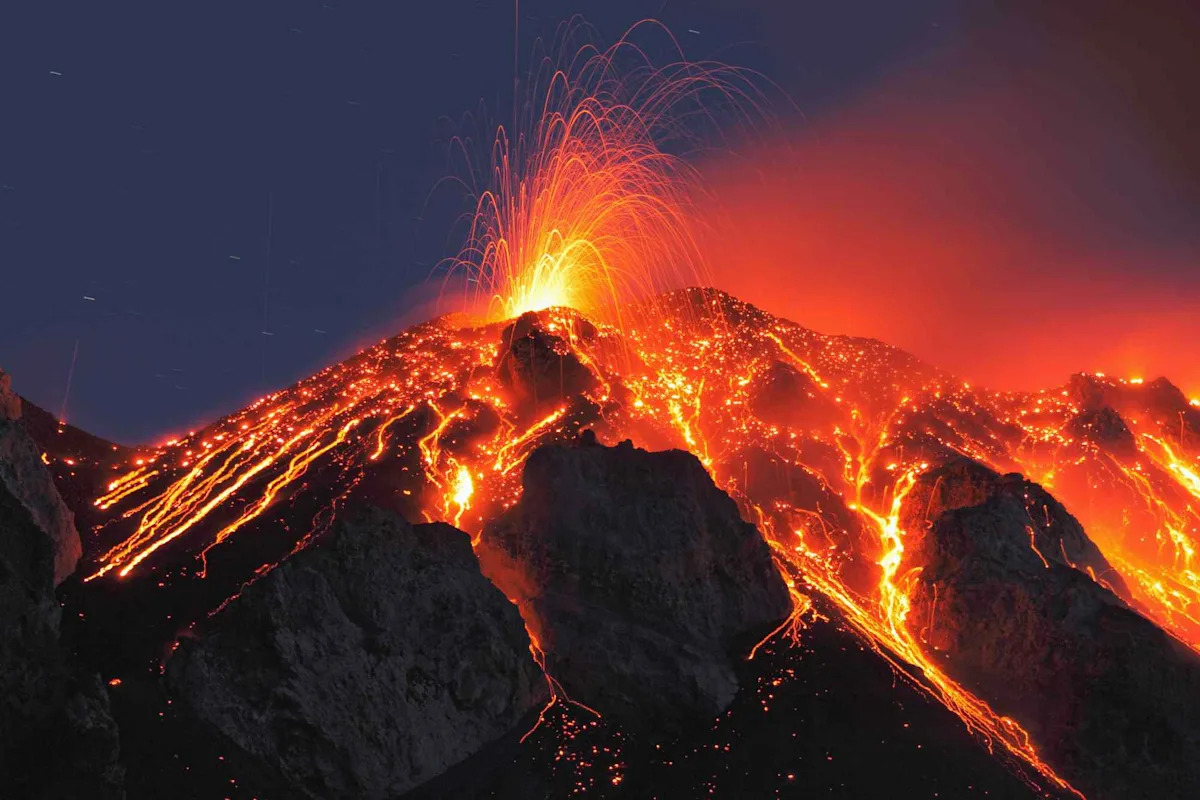
A volcanic eruption may have triggered “the largest known plague pandemic in human history,” according to a new study.
In a new study about the potential origins of the Black Death, scientists suggested that one or more volcanic eruptions that occurred around 1345 may have allowed fleas infected with the bubonic plague to travel on ships transporting grain across the Black Sea.
The new research was published in the journal Communications Earth & Environment by the University of Cambridge and the Leibniz Institute for the History and Culture of Eastern Europe (GWZO).
Scientists said that the eruptions resulted in less sunlight for a number of years, which in turn led to lower temperatures, crop failure and concerns of famine
To try and combat this, grain was imported to Italian city states, including Venice and Genoa, from areas surrounding the Black Sea, according to the study.
However, some the ships were likely filled with grain that was carrying fleas infected with a bacterium known as Yersinia pestis, which went on to cause the Black Death pandemic.
“The plague bacterium infects rat fleas, which seek out their preferred hosts — rats and other rodents. Once these hosts have died from the disease, the fleas turn to alternative mammals, including humans,” said co-author Martin Bauch, according to CNN.
“After arrival in the port cities, the grain was placed in central granaries and then redistributed to smaller storage sites or traded further,” Bauch added.
As noted in the study, “the first human plague cases in Venice were reported less than two months after the arrival of the last grain ships.”
Death rates from the Black Death are believed to have been as high as 60% in some parts of Europe and had “long-lasting demographic, economic, political, cultural, and religious implications” in the region.
Ships that traveled the Black Sea may have also spread the Black Death to the Middle East and northern Africa, according to the study.
Never miss a story — sign up for PEOPLE’s free daily newsletter to stay up-to-date on the best of what PEOPLE has to offer, from celebrity news to compelling human interest stories.
Scientists said that they consider the Black Death as “a striking interaction of climate, famine and disease” as well as “as an early ramification of globalization.”
“Although the coincidence of different environmental and societal factors at the onset of the Black Death seems rare, the probability of zoonotic infectious diseases to emerge and translate into pandemics is likely to increase in both, a globalized and warmer world,” the study stated.
Read the original article on People