
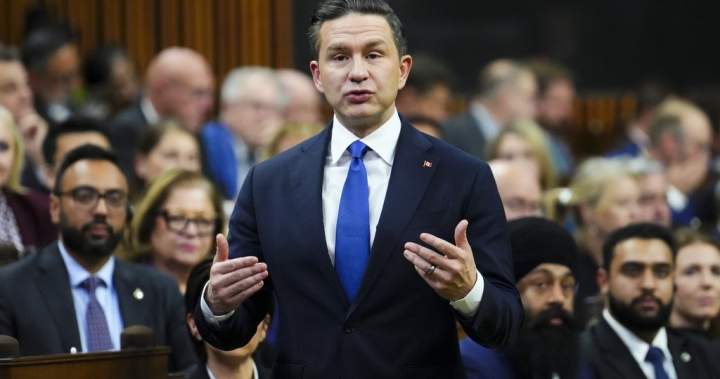
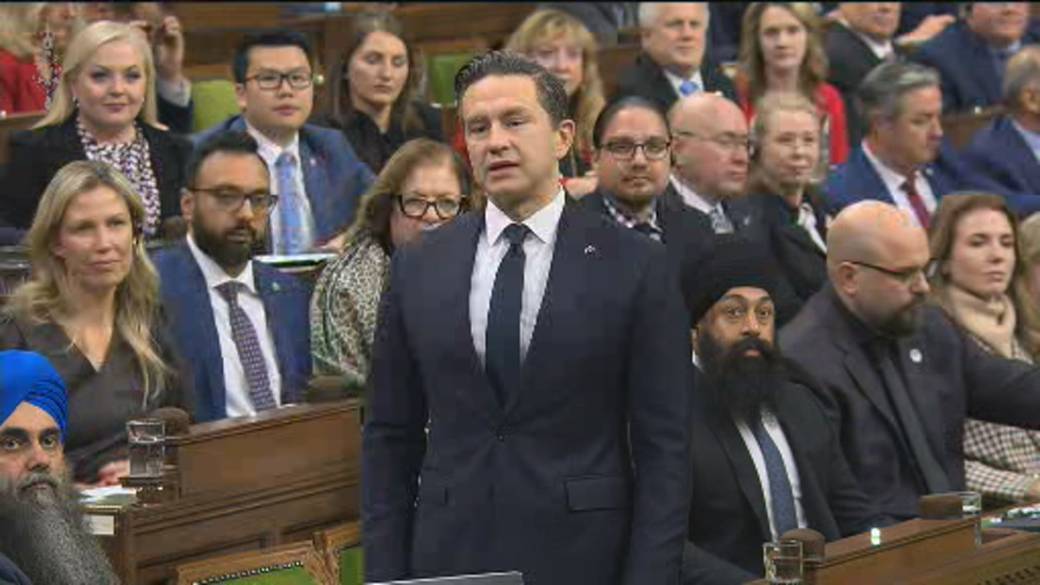
An effort by Conservative Leader Pierre Poilievre to force the Liberal government to reaffirm its commitment to a new pipeline to the West Coast will face a debate and recorded vote in the House of Commons on Tuesday.

The motion also seeks to get a commitment from the Liberals to override the northern British Columbia oil tanker ban if necessary in order to get that pipeline built, despite opposition from Coastal First Nations and the B.C. government.
Liberals said Tuesday they will vote against the motion, accusing Poilievre of seeking division and “playing games.”
“Canadians see the motion before us today for what it is: it’s a cynical ploy to divide us, it’s a cheap political stunt,” Energy Minister Tim Hodgson told reporters.
The motion directly cites language in the memorandum of understanding signed between Ottawa and Alberta last month that sets the stage for a bitumen pipeline that will increase oil exports to Asia from a yet-unnamed deep-water port in B.C.
Story continues below advertisement
4:23
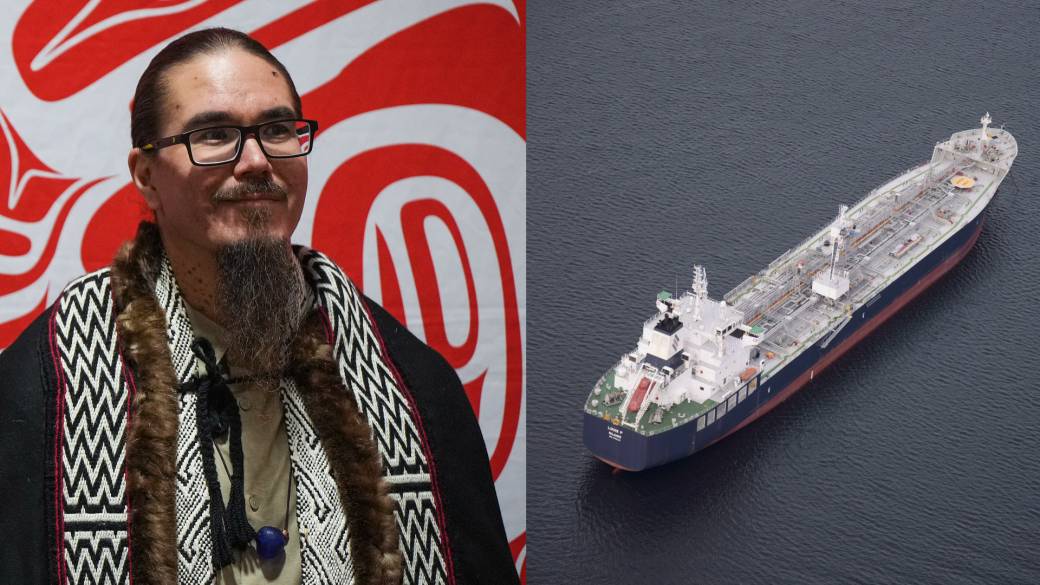
B.C. Coastal First Nations oppose Conservative motion on Liberal pipeline plan, overriding tanker ban
The agreement includes a federal commitment to “enable” such a project, “including if necessary through an appropriate adjustment to the Oil Tanker Moratorium Act.”
The Conservative motion quotes that language and adds “while respecting the duty to consult Indigenous Peoples.”
Poilievre says he wants to put all individual Liberal MPs on the record on whether they now support a pipeline and changes to the tanker ban, which was enacted in 2019 under former prime minister Justin Trudeau. The motion is not legislation and would not automatically authorize any specific project.
“I took the wording for the motion right out of his deal, and if he votes against the motion, he’s voting against the pipeline to the Pacific,” Poilievre said in question period Tuesday.
Prime Minister Mark Carney said the Conservatives should put forward the entire memorandum as a motion for a vote, rather than just part of the portion on a future pipeline.
Story continues below advertisement
“The memorandum of understanding is not something that you can pick and choose from,” he said in French.
“You have to eat the entire meal, not just the appetizer.”
6:12
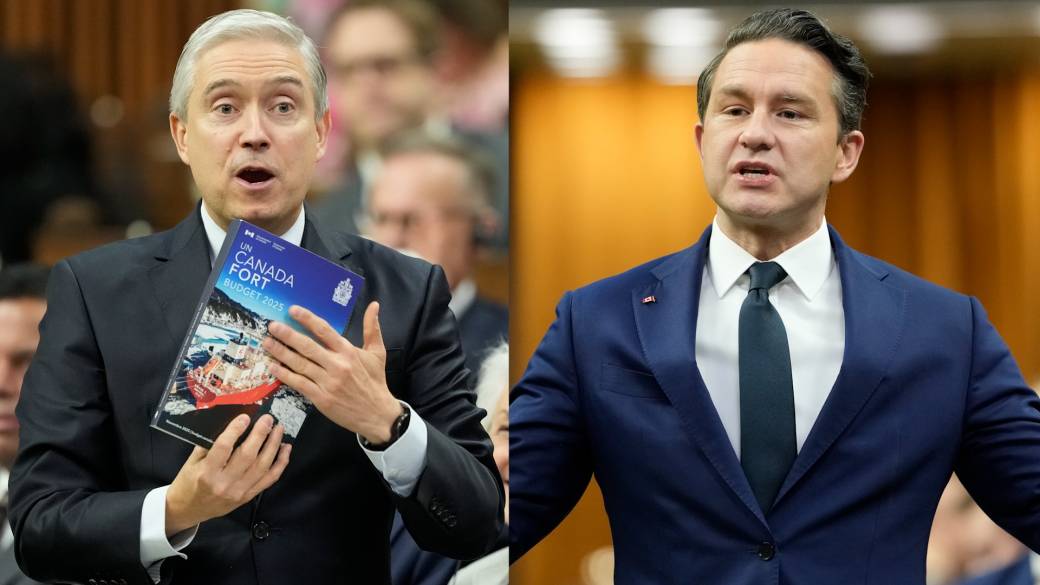
Poilievre asks if Liberals will approve new pipeline, end tanker ban ‘in the spirit of Christmas’
Indigenous Services Minister Mandy Gull-Masty, who is Cree, called the motion “an immature waste of parliamentary time” and “an insult toward Indigenous peoples” while speaking to reporters alongside Hodgson and other ministers earlier Tuesday.
Get breaking National news
For news impacting Canada and around the world, sign up for breaking news alerts delivered directly to you when they happen.
She noted the MOU commits both Ottawa and Alberta to consult with and seek consent from B.C. and First Nations on a future pipeline, something she said will ensure “respect” and “equity” among all communities and stakeholders impacted by such a project.
Ministers also highlighted the memorandum’s commitments on pursing carbon capture and renewable energy projects as well as updates to the industrial carbon price, which the Conservative motion does not mention.
Story continues below advertisement
“This motion doesn’t reflect the full agreement … and this motion refuses to talk about climate change and any kind of commitment to get to net-zero (emissions),” Environment Minister Julie Dabrusin said.
“As a party, we are united in wanting to make sure that we continue to build Canada, that we build it well, that we take into account climate change in the work that we do, and that we respect Indigenous rightsholders. Our party is united on that.”
1:57
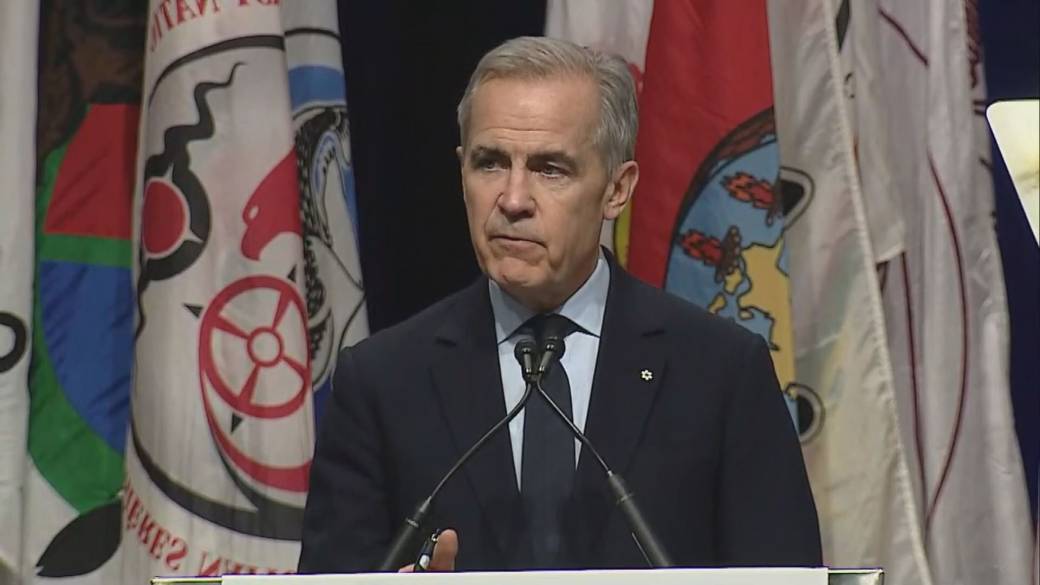
AFN calls for withdrawal of Canada-Alberta pipeline agreement
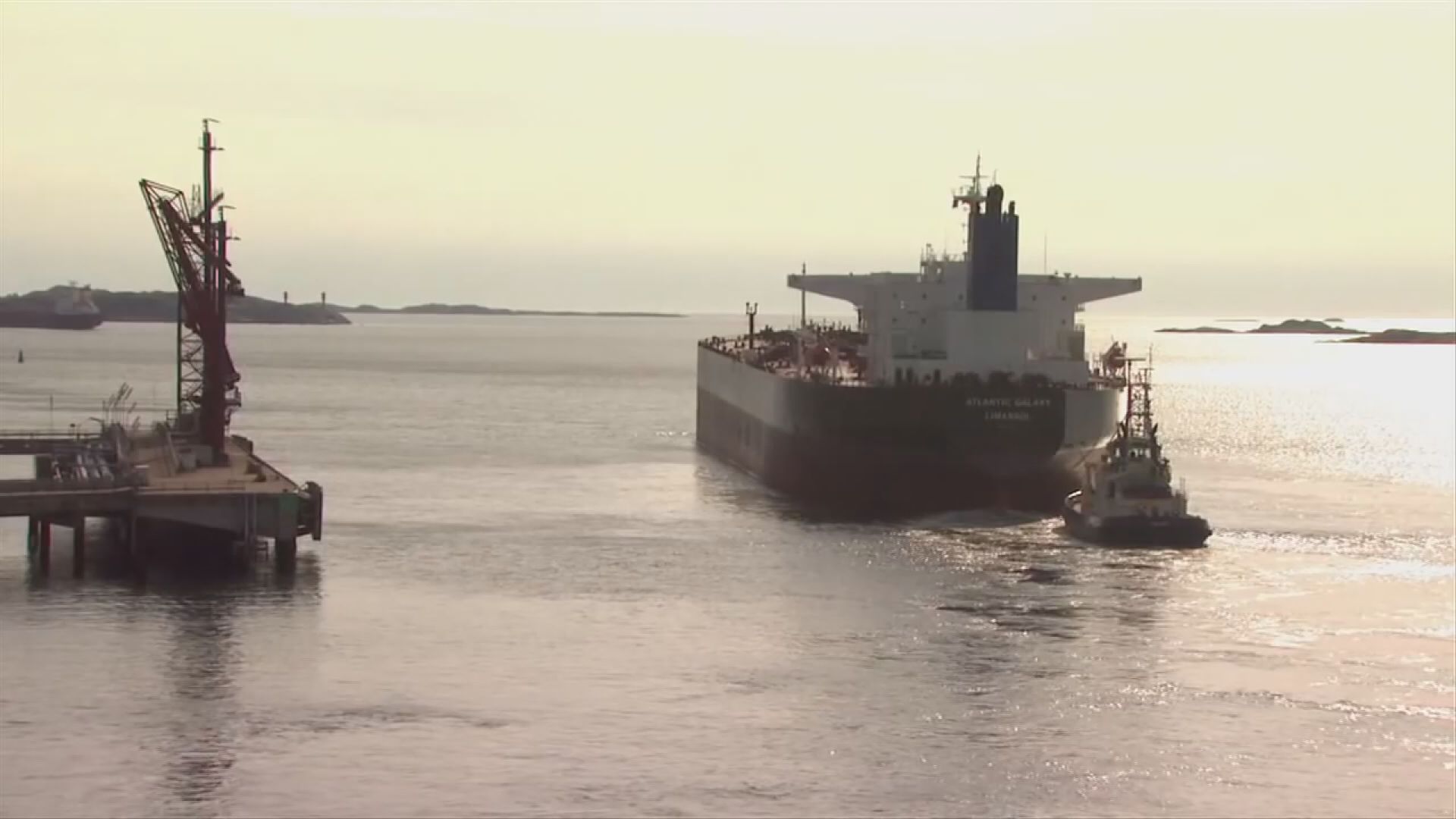
The oil tanker ban on the northern B.C. coast, which was first promised by Trudeau in 2015, has been blamed for killing the Northern Gateway and Eagle Spirit pipeline projects from the Alberta oilsands to northwestern B.C.
Federal Conservatives and successive Alberta governments have called on the 2019 federal law to be repealed, arguing it constrains the oil and gas industry.
Story continues below advertisement
The B.C. government and Coastal First Nations signed a proclamation last month committing to uphold the tanker ban, and the Assembly of First Nations voted unanimously at last week’s annual meeting to reject any changes to the law.
“The province (of B.C.) has worked hard to build relationships with Nations in British Columbia, and I think Canada needs to understand and respect that,” Haida Nation president and Coastal First Nations vice-president Gaagwiis Jason Alsop told reporters in Ottawa on Tuesday.
Alsop, who travelled to Ottawa with other Coastal First Nations leaders to witness Tuesday’s House of Commons vote, said the “fragile balance” between promoting economic activity for First Nations and respecting those communities’ sovereignty must “continue to be nurtured.”
Trending Now

Trump threatens ‘severe’ tariffs on Canadian fertilizer ‘if we have to’

Record human trafficking numbers just ‘the tip of the iceberg’ in Canada
“Having a project jammed through that affects our title and rights and harms our territory, damages those relationships that are so important to all of us,” he said.
1:59
B.C. premier and First Nations leaders sign declaration to protect coastline
Calgary MP Corey Hogan, the parliamentary secretary to Hodgson, acknowledged voting “no” could send the wrong message that Liberals were not “serious” about a pipeline.
Story continues below advertisement
Yet he also called his “no” vote “a very easy decision” and criticized Poilievre’s “game-playing” for putting a future pipeline in jeopardy.
“If he was thinking about this in terms of how do we actually get a pipeline built, he would never have brought forward this motion,” he said.
“There’s a risk in voting yes, there’s a risk in voting no. This motion was designed to create risk, because this motion is designed not to get a pipeline built but instead to try and poke at people.”
Hodgson, when asked Tuesday if voting “no” will create uncertainty for potential pipeline proponents, said the MOU as a whole sends the right message to industry.
Gull-Masty added the MOU shows clarity and “maturity” by clearly stating the intent to consult and collaborate with all affected parties before a project is approved.
“Today’s motion that’s being put on the floor is not a ‘no’ vote for the MOU. It’s a ‘no’ vote against the Conservatives playing games and creating optics and wasting parliamentary time when they should be voting on things that are way more important,” she said.
2:30
Poilievre asks Carney if he doesn’t ‘care’ what First Nations have to say about pipeline deal
Potential unrest among the Liberals was thrust into the spotlight hours after the Alberta-Ottawa memorandum was signed, when former environment minister Steven Guilbeault resigned as Canadian identity and culture minister.
Story continues below advertisement
Guilbeault released an open letter Tuesday that sharply criticized the MOU, calling it a “significant step backward in the fight against climate change” and a deal that risks Canada’s “environmental integrity.”
“We have a lot of opinions and views in our caucus, Mr. Guilbeault’s is one,” Government House leader Steven MacKinnon said Tuesday. “We’ll obviously continue to have a caucus and a party that contains many different points of view, but the government’s position on this matter is very clear.”
Bloc Quebecois Leader Yves-Francois Blanchet told reporters in Ottawa there was “no way on Earth that we would vote for this motion, which was specifically designed in order to insert a wedge within the Liberal caucus.”
“It might be quite efficient” in doing so, he said.
“I believe in all friendship — and maybe they will not receive it that way — that Alberta should start a transition toward a new economy” and away from oil and gas, he added.
—with files from Global’s Mackenzie Gray
More on Politics
More videos