
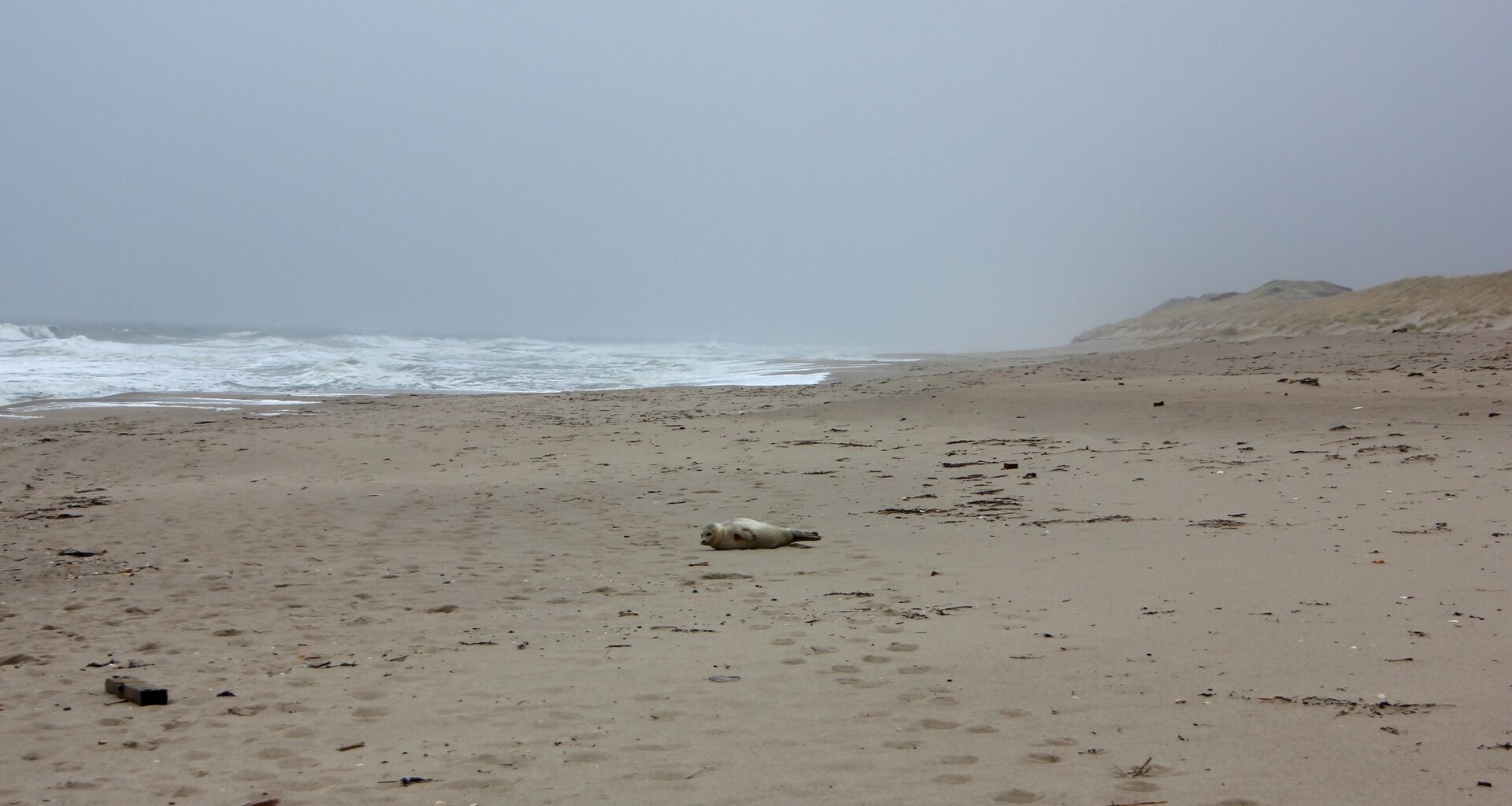
What started as a feel-good rescue story has taken a heartbreaking turn after a young seal’s life was cut short by plastic fishing gear, according to Need To Know.
What’s happening?
Carrom, a young gray seal rescued by British Divers Marine Life Rescue in January and rehabilitated by the Royal Society for the Prevention of Cruelty to Animals, spent 11 weeks recovering before being released back into the wild. Staff members spotted him again in September — healthy, energetic, and clearly enjoying his second chance.
“Carrom was a seal that was quite special. … He was incredibly curious and playful,” an RSPCA spokesperson said, per Need To Know.
But months later, wildlife assistants found him again — this time tangled in discarded fishing nets alongside fish and small sharks. The gear had trapped him underwater.
“We are devastated to have heard that any animal has faced this fate,” the spokesperson said. “He deserved his freedom and life.”
Why is this concerning?
Stories like Carrom’s are painful because they hit so close to home. Most of us don’t think twice about the plastic and nylon-based gear used to catch our seafood, but once it’s lost in the water, it becomes a hazard that puts animals — and coastal communities — at risk.
Entanglements like this don’t just harm wildlife. It wears down rescue teams, harms coastal tourism, and leaves communities to pick through dangerous debris. As the gear breaks apart, it can send tiny plastic fragments into the water — and eventually into the seafood on people’s plates. That puts families and local livelihoods in a tough spot.
Experts warn that ghost gear — nets, ropes, and traps left behind — can keep killing for years. That means more preventable losses and more emotional and financial pressure on the people trying to protect these animals in the first place.
What’s being done about it?
There is good news: People are already stepping up. Some fishing crews are testing biodegradable nets, and local nonprofits are paying teams to pull old gear out of the water before it does more damage. Rescue groups are also keeping closer tabs on released animals to help them stay safe.
Individuals can help, too. Cutting down on single-use plastics keeps more waste out of waterways in the first place. Choosing seafood from fisheries with responsible gear-management programs can also reduce the amount of ghost gear left in the ocean.
Volunteers removing ghost nets, divers cleaning up debris, and innovators turning recovered plastics into new products are already proving these efforts can make a difference.
Carrom’s story is heartbreaking, but it also reminds us that simple choices — at home, at the store, and on the water — can help protect the next animal that gets a second chance.
Get TCD’s free newsletters for easy tips to save more, waste less, and make smarter choices — and earn up to $5,000 toward clean upgrades in TCD’s exclusive Rewards Club.
