
OKLAHOMA CITY –
According to the World Health Organization, about 70% of adults have experienced some sort of traumatic event in their lifetime, in varying degrees.
Which is why we here at News 9 wanted to put together some resources to help anyone who may be struggling with unresolved trauma.
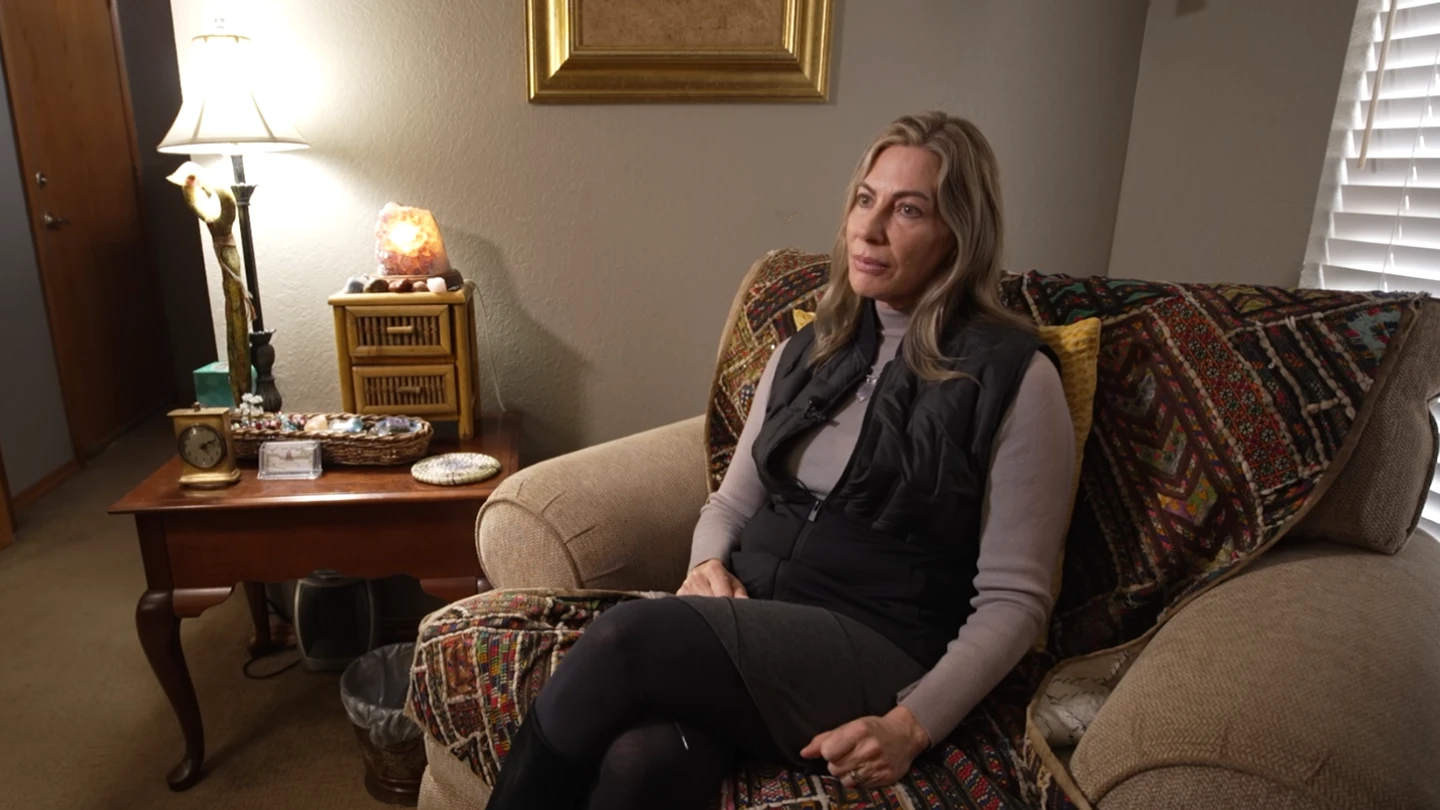
We turned to a licensed counselor in Oklahoma, Leah Danley, to talk about how to get started, resources available, treatment methods, and what you could hope to gain through seeking help.
What are common signs of trauma?
“It’s definitely not one size fits all,” Danley said. “We all have different kinds of lived experience and traumas that we’re trying to process.”
Some common signs of trauma, according to Danley, include:
Feeling overwhelmedChronic anxietyChronic depressionFlashbacksHyper-vigilanceChronic illnessesHeadaches
Just like the symptoms, Danley says the timeline when people are impacted by trauma is different for everyone.
“I see people that have had chronic abuse, neglect, all of those kinds of things from childhood, and maybe don’t even show up until they’re 50, 60 years old,” She said. “And then I see people who also have had very definite trauma from like, a car accident or a series of car accidents, and they come and get help right away.”
“A lot of times it’s generally when the suffering gets so much that their life is just feeling very not functional anymore,” She said. “But people usually get to a point where they’re tired of suffering, and they want a better life, and then that’s when they make the call.”
What is EMDR and how can it help?
EMDR stands for Eye Movement Desensitization and Reprocessing. It’s a trauma-focused therapy that is led by a clinician.
“With trauma, you are freezing in time,” Danley explained. “Let’s just take something that’s fairly common. It’s something in childhood. So let’s say somebody is five years old and they have some abuse or neglect or something. Their system will freeze that in time and isolate it into a separate neural network as a way to explain it.”
Danley said responses to trauma can happen at unpredictable times and to seemingly unrelated situations.
“So they’re just basically reliving the trauma today like it’s happening.”
She said EMDR is a way to help the patient, “Bring it to the present day, where the nervous system can finally relax, digest that, and say, oh, I’m safe now. This isn’t happening all the time. It’s not that I’m broken. I’m okay. My nervous system just has been trying to handle it and didn’t know how.”
Watch the video below to hear Danley further explain what the therapy entails.
“There’s a brain science to it where, it is some people say it’s similar to REM sleep, where your eyes are going back and forth at night, and you’re trying to process information,” Danley explained.
“The way I explain it to clients is there’s an innate healing system within us all. And when we are able to finally get out of the way.”
Danley explains more about how EMDR can help trauma survivors in the video below.
“There is no one-size-fits-all,” Danley said. “And I would encourage everyone to listen to their instincts.”
“It’s not going to hurt generally to just try it. And again, if you’re with a safe, trusted therapist in an environment where you feel like you can really open up and that person can walk you through it.”
How can I seek help for trauma from an Oklahoma therapist?
Danley outlined the steps to seeking help:
Intake comes first to see if the therapist is a good fit for youPatient will share trauma history with the therapist to determine next stepsThe therapist will work on building trust and stability with the patientIf determined to be the best path, EMDR treatment would begin
“If it doesn’t feel comfortable, you can leave. You do not have to stick with something that doesn’t feel like it’s working for you,” Danley said.
What are the results of EMDR trauma therapy?
Danley said many patients seek out help to relieve symptoms, such as insomnia, overeating, or overworking.
“But then, when I say, what do you think that will give you? What most people will say is what they want to feel,” Danley said. “They want to feel safe. They want to feel free. They want to feel peaceful. So that’s really mostly what everybody wants.”
Are there other therapies for trauma?
Danley said trauma-focused cognitive behavior therapy and prolonged exposure therapy are also well-researched and can work for some people. Newer methods, such as internal family systems and somatic experiencing, have less research behind them.
“There may be something that’s more of a fit for you,” Danley said. “Like maybe you always dance to, cope with the trauma and so somatic experiencing or something with more movement might be an area that you feel good and called to.”
Why don’t people seek help for trauma?
Danley listed several reasons people avoid seeking help:
Desire to be independentComparison to others’ situationsFinancial reasonsLack of knowledge about resourcesFamily or societal pressuresFear of emotion
Some resources Danley recommends: