
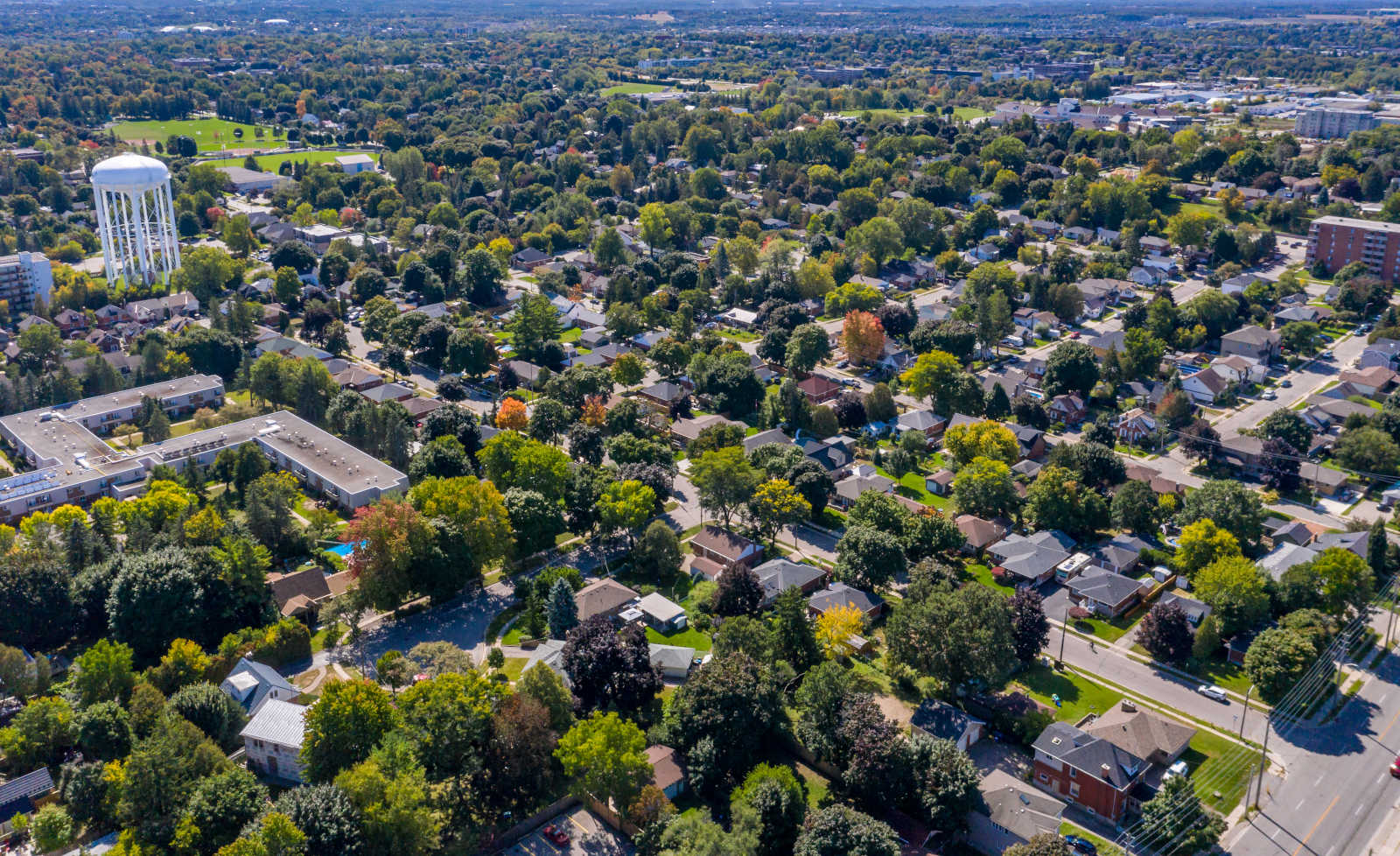
Cyclists in Guelph, Ont. are bracing for a slippery winter after the city council approved a budget that removes winter maintenance from on-street, raised and protected bike lanes. Multi-use paths will still be plowed, but only to sidewalk standards.
The decision, passed 7-6 at a special council meeting on Nov. 26, means all painted bike lanes, curb-protected lanes and boulevard cycle tracks will be closed each winter via bylaw, with no snow or ice clearing until spring. Signs will be posted to alert the public.
Advocates respond about the risks for winter cyclists
The move drew criticism from cycling advocates and legal experts who warn it could increase safety risks. “Forcing cyclists out of bike lanes and into motor vehicle traffic in winter conditions will increase conflict. And the likelihood of serious injury,” said David Shellnutt, a.k.a. The Biking Lawyer, in a letter to Mayor Cam Guthrie and council.
Shellnutt also questioned the council’s assumptions that cycling is merely seasonal.
Bike lane backlash greets Montreal’s new administration
“Notwithstanding these assumptions, the city may face liability if a cyclist or other vulnerable road user is injured due to bike lanes not being properly cleared, salted or maintained,” he said, citing the municipality’s obligations under Ontario’s Municipal Act.
Budget contsraints to blame
City officials said the $650,000 cut was necessary due to budget constraints, and that winter maintenance will continue for main roads and sidewalks. “Minimum Maintenance Standards under provincial regulations do not apply when bike lanes are seasonally closed,” the city noted.
Still, advocates say the decision undermines years of investment in cycling infrastructure.
“Cycling isn’t just recreation—it’s a mode of transportation,” Shellnutt said. “Treating it as optional in winter is short-sighted.”
Guelph cyclists say they may seek alternate routes or switch to cars this winter, a change that could increase congestion and counter the city’s climate and public health goals.
Meanwhile, cities like Montreal, typically get about 210 cm of snow annually, while Guelph averages around 160 cm (63 inches), have become famous for their winter riding. In fact, the city sometimes plows its bike paths faster than its streets. Montreal has been leading the way for lots of infrastructure for cyclists. It’s not just roadwork for riders–it has a pilot project for winter bike shares, trailers, and impressive bike lanes. Much is the legacy of former Mayor Valérie Plante, who took office in 2017. However, a new administration has made it clear that some of the current and future projects may be revisited, or cancelled.