
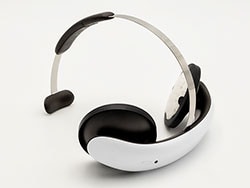
The FDA has approved the first at -home brain-stimulation device for adults with major depressive disorder (MDD).
The FL-100 transcranial direct-current stimulation (tDCS) system (Flow Neuroscience) is indicated for adults aged 18 years and older with moderate-to-severe MDD currently experiencing an episode, either as monotherapy or as an adjunctive treatment, provided they are not considered treatment refractory.
The device requires a prescription and is expected to be available for download through iOS and Android app stores in the second quarter of 2026, the company said.
According to federal data, the prevalence of depression has increased 60% in the past decade. More than one-third of patients with MDD do not achieve full clinical remission with current first-line treatments, including antidepressants and psychological therapy.
The FL-100 tDCS device delivers low-intensity electrical stimulation to the prefrontal cortex, the region of the brain involved in mood regulation and stress response and is often underactive in people with depression.
The device was assessed in a randomized, double-blind, sham-controlled 10-week trial of 174 adults with at least moderately severe MDD as measured using the Hamilton Depression Rating Scale (HDRS) scores (mean, 19.07).
Participants self-administered either active or sham stimulation at home under remote supervision for 30 minutes, five times per week for 3 weeks, followed by three sessions per week for 7 weeks.
As previously reported by Medscape Medical News, participants in the active tDCS group had a significantly greater decrease in the HDRS score than those in the sham group (-9.4 points vs -7.1 points; P = .012).
HDRS scores also showed significantly better rates for clinical response (58% vs 38%; P = .017) and remission (45% vs 22%; P = .004).
Reported side effects are generally mild and transient. The most common side effects include skin dryness, irritation, or redness after prolonged use; transient headache; and stinging or itching at the stimulation site. Skin burns have occurred when electrode pads were reused or applied after drying out.
The company plans to evaluate its platform for additional neuropsychiatric indications, including traumatic brain injury, addiction, and sleep disorders.