
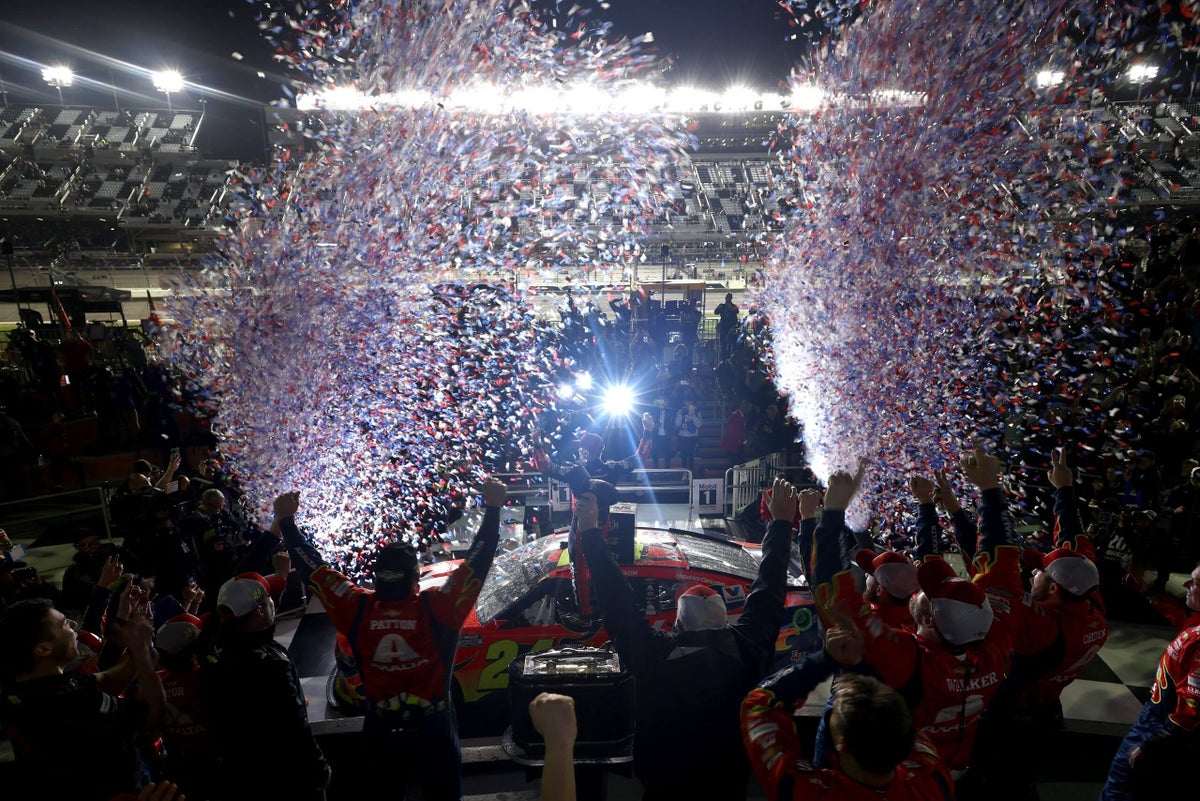
CHARLOTTE, N.C. — After nine days, nearly 20 witnesses, millions spent on legal fees, and the sport repeatedly bruised and bloodied, NASCAR’s antitrust trial ended Thursday with a historic settlement that saw plaintiffs 23XI Racing and Front Row Motorsports receive significant concessions that will dramatically reshape the sport.
The teams — 23XI, Front Row and the 13 other charter-holding organizations — now hold these licenses essentially permanently, creating a runway for the sport’s business to take off in a way that once seemed unimaginable under the previous model, which had no guarantees that the charter system would be in place beyond a set end date.
23XI’s ownership group — consisting of NBA legend Michael Jordan, superstar driver Denny Hamlin and Curtis Polk — and Front Row owner Bob Jenkins deserve praise for choosing to go toe-to-toe versus NASCAR in federal court. A risky proposition considering few, if any, entities have squared off against NASCAR and emerged victorious in its 77 years of operation. They made the choice, fought the fight and will reap the benefits.
But in the immediate aftermath of teams being granted permanent charters, the same thing they’ve been asking for since the beginning of this saga, one word comes immediately to mind: unnecessary.
It was unnecessary for this trial to even start, let alone go eight full days and waste the time of nine jurors.
It was unnecessary that it took until Dec. 11, 2025, for a settlement to be reached, 14 months after 23XI and Front Row first filed their lawsuit. At some point earlier on, common sense should’ve prevailed.
It was unnecessary for this fight to even happen, as teams should’ve had some version of permanent charters long ago, especially when it became clear how such a system would benefit not only team owners but NASCAR as a whole.
Looking around at the ruin in the wake of this battle, it’s impossible not to think just how avoidable all this could’ve been. Had NASCAR CEO and chairman Jim France signed off three-plus years ago when team owners began pushing NASCAR hard on the issue of permanent charters, it would’ve prevented the cloud that hovered over the sport for the entirety of the 2025 season.
But France refused.
“I don’t know how you can set anything in this changing world we’re in as permanent,” France said Wednesday during his testimony. “I’m just not comfortable making agreements that go on forever.”
The ensuing fallout was immense. Some of NASCAR’s innermost secrets were revealed. For the first time in the company’s history, its finances were made public, from profits to expenditures to the salaries of key executives to even who owns what percentage of the company — something that had forever been closely guarded.
There was also the disclosure of private communications among NASCAR’s leadership team. These emails and texts painted France as both out of touch and unsympathetic, while also exposing a particularly unpleasant exchange where company executives spoke derogatorily about NASCAR Hall of Fame team owner Richard Childress. For a sport whose leadership group is already struggling to connect with its most ardent fans, this exchange was particularly damning.
Then there is the financial component. Both NASCAR and 23XI/Front Row hired two of the best antitrust litigators in the world, and they certainly weren’t cheap, well into eight figures per side by some estimates. Surely that money could’ve been put to better use within the sport.
Maddeningly unnecessary.
If NASCAR had conceded on the issue of permanent charters 14 months ago, none of this would’ve come to light. Instead, the sport’s leadership and business practices are being called into question to such a degree that it’s hard to fathom how it moves past this without some major changes.
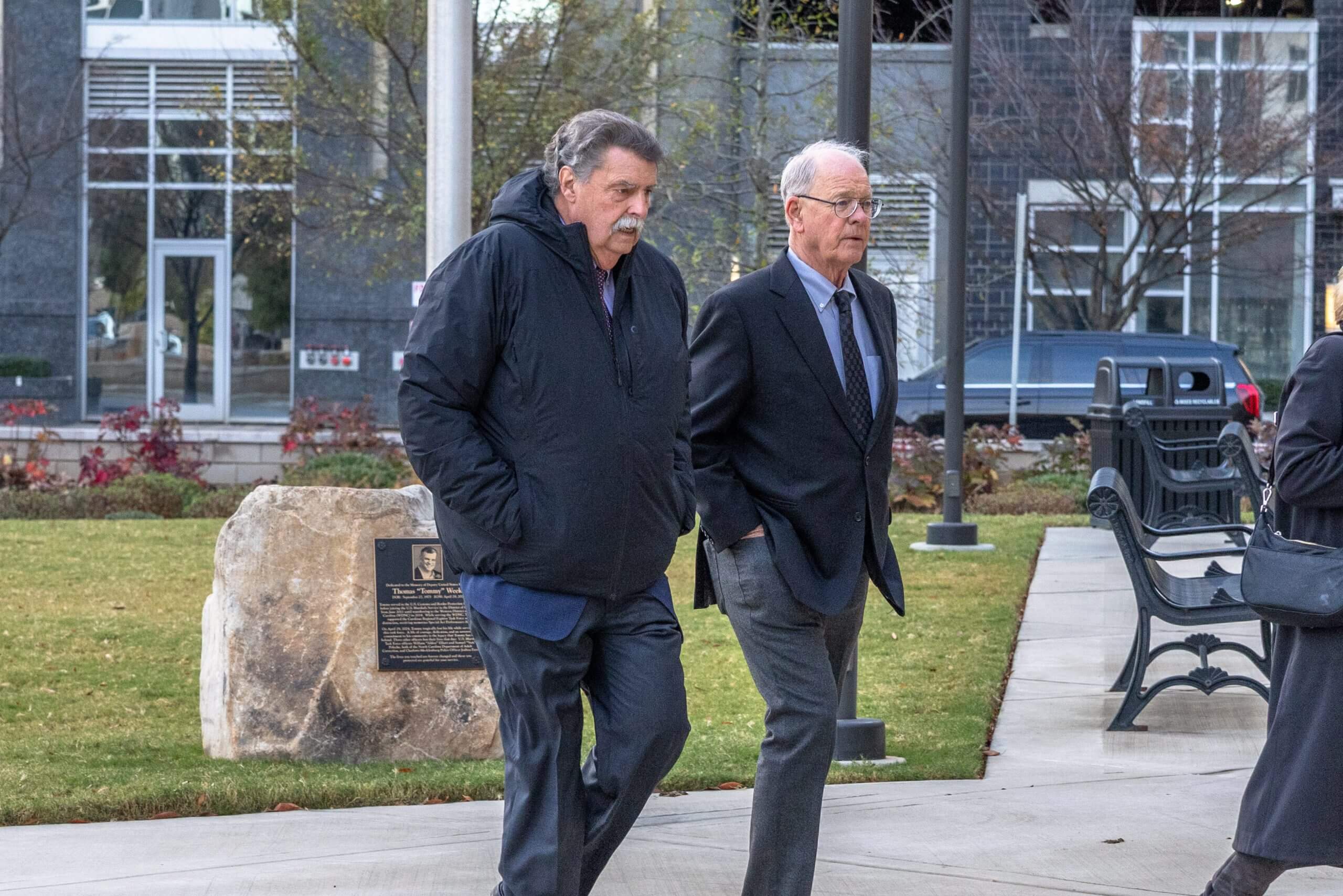
Longtime NASCAR executive Mike Helton, left, and chairman and CEO Jim France, outside the courtroom last week. (Grant Baldwin / Getty Images)
Compounding the frustration, expressed by so many within the sport, is that part of the discovery in this case showed an executive leadership team trying to find a common ground between France and the teams. Had France listened to them, people he referred to during his testimony as “the best team we’ve got in my history at NASCAR,” this may have all been averted.
When negotiations on the next charter agreement began two years ago, NASCAR executives pleaded with France to compromise, knowing that NASCAR conceding permanent charters would’ve likely resulted in every team signing off on the extension. Peace would’ve been maintained. There would’ve been no nastiness, and no antitrust lawsuit that is now likely costing the company hundreds of millions in damages.
Again, totally unnecessary. And absolutely preventable.
“It’s time for change,” Hamlin said during his testimony. “All I knew is we were right and what (NASCAR) did was wrong.”
The challenge NASCAR faces is finding a way to effectively recover from the blows. Hard questions must be asked and even harder answers given during the postmortem. It’s a tall task to heal the wounds.
NASCAR, a sport that’s been declining in popularity in the U.S., had its problems before. Now, there’s an even longer road ahead to get this sport back to where it needs to be.