
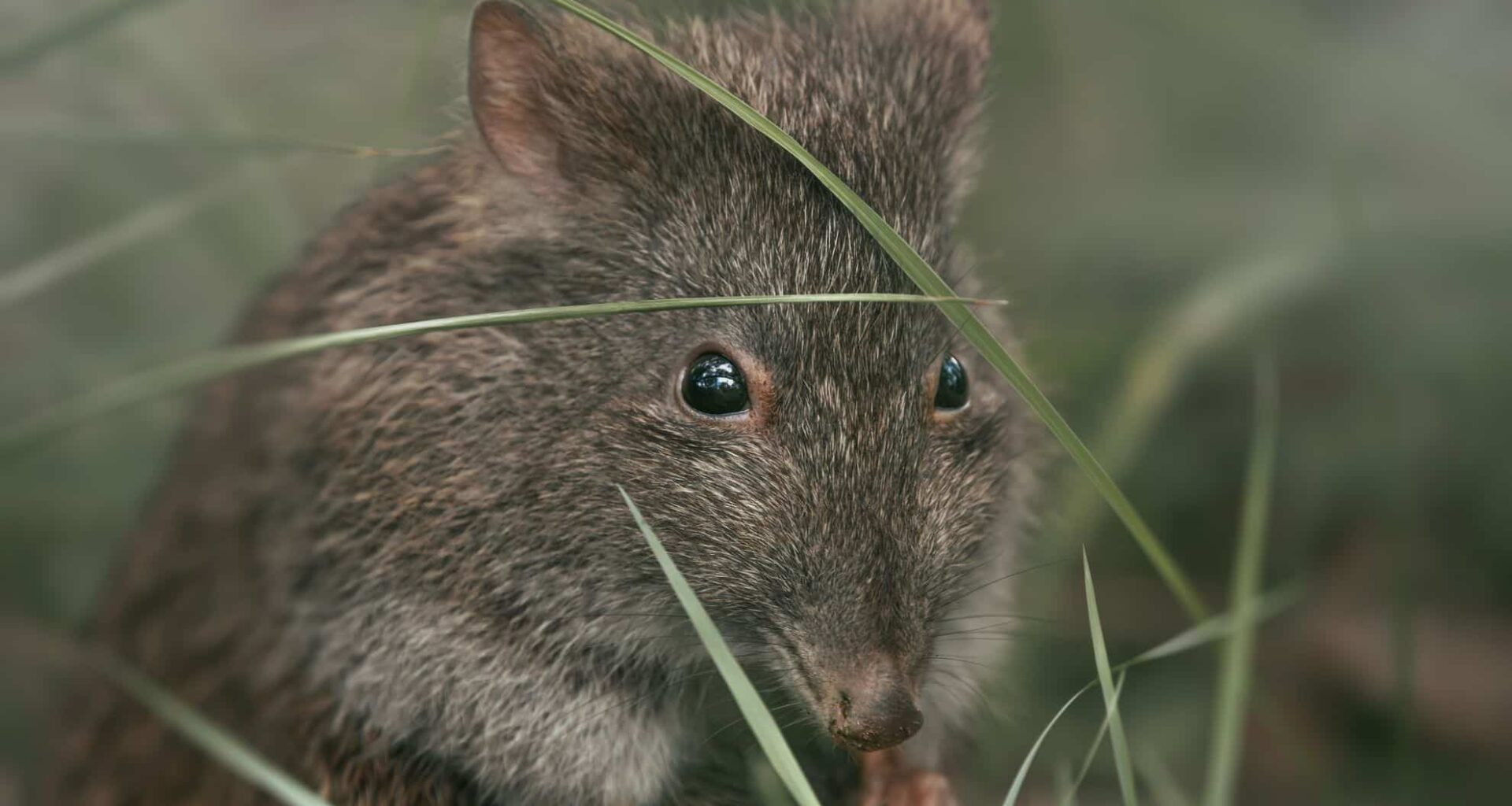
The Gilbert’s potoroo was rediscovered in 1994 in Western Australia’s Two Peoples Bay Nature Reserve after more than a century of presumed extinction. Now, the species’ future depends on a combination of genetic management, habitat restoration, and an in-depth understanding of its unique reliance on underground fungi. Scientists are working to bolster its population by introducing animals to new locations and creating “insurance populations” to safeguard against catastrophic events.
Fungi as a Lifeline
Unlike most mammals, Gilbert’s potoroo survives primarily on fungi, particularly truffles, which makes its habitat critical to its survival. According to a study from Edith Cowan University and the Department of Biodiversity, Conservation and Attractions, the potoroo’s diet is almost entirely composed of fungi, a food source that is becoming increasingly difficult to find due to environmental changes. This diet was a key focus of a study that used environmental DNA (eDNA) metabarcoding to identify the specific types of fungi the potoroo consumes, as well as how its diet overlaps with other mycophagous species like the quokka and quenda.
The research, published in Biodiversity and Conservation, revealed that Gilbert’s potoroo shares some dietary resources with these species, though it has a more specialized and diverse fungal diet. Scientists recommend using the presence of these co-existing species as indicators of suitable habitat for future translocation efforts. With the ongoing threat of habitat loss and climate change, understanding the potoroo’s dietary needs is key to selecting areas where its populations can thrive.
The Role of Insurance Populations
As the Gilbert’s potoroo’s habitat shrinks, researchers have taken drastic measures to ensure its survival. In 2005, conservationists established insurance populations on Bald Island and in a fenced enclosure at Waychinicup National Park to provide a safety net against threats like bushfires and predation. These populations turned out to be vital when a bushfire devastated the original habitat at Two Peoples Bay in 2015, destroying 90% of the habitat and killing 15 potoroos.
Thanks to these insurance populations, scientists were able to avoid a complete population collapse. Dr. Tony Friend, a researcher with the Department of Biodiversity, Conservation and Attractions, emphasized the importance of these conservation measures: “With the critically endangered population scattered across four sites, two of which are islands off the Western Australian coast, researchers are hoping to find another mainland site for a translocation.” This continued effort, alongside genetic research, is crucial for maintaining genetic diversity and preventing inbreeding.
Community and Technological Support
The conservation of Gilbert’s potoroo relies not only on scientific efforts but also on community involvement and technological advancements. The Gilbert’s Potoroo Action Group (GPAG) has played a key role in raising awareness and securing funding for these efforts. Volunteers contribute by monitoring populations, assisting with habitat restoration, and advocating for continued protection. These grassroots efforts have proven to be a vital part of the recovery strategy, with local communities actively engaged in protecting the species.
On the technological front, recent breakthroughs like DNA mapping have provided invaluable insights into the species’ genetics, which is crucial for long-term survival. According to Dr. Parwinder Kaur, a researcher from DNA Zoo Australia, the DNA sequencing of the potoroo’s genome has given conservationists the tools needed to avoid inbreeding and ensure the species’ resilience as efforts to reintroduce it into its native range continue.
Gilbert’s potoroo’s recovery is a testament to the resilience of both the species and the scientific community committed to its survival. With a specialized diet, tiny population, and significant environmental threats, the potoroo’s future is uncertain, but the ongoing work of researchers, conservationists, and local communities offers a glimmer of hope.