
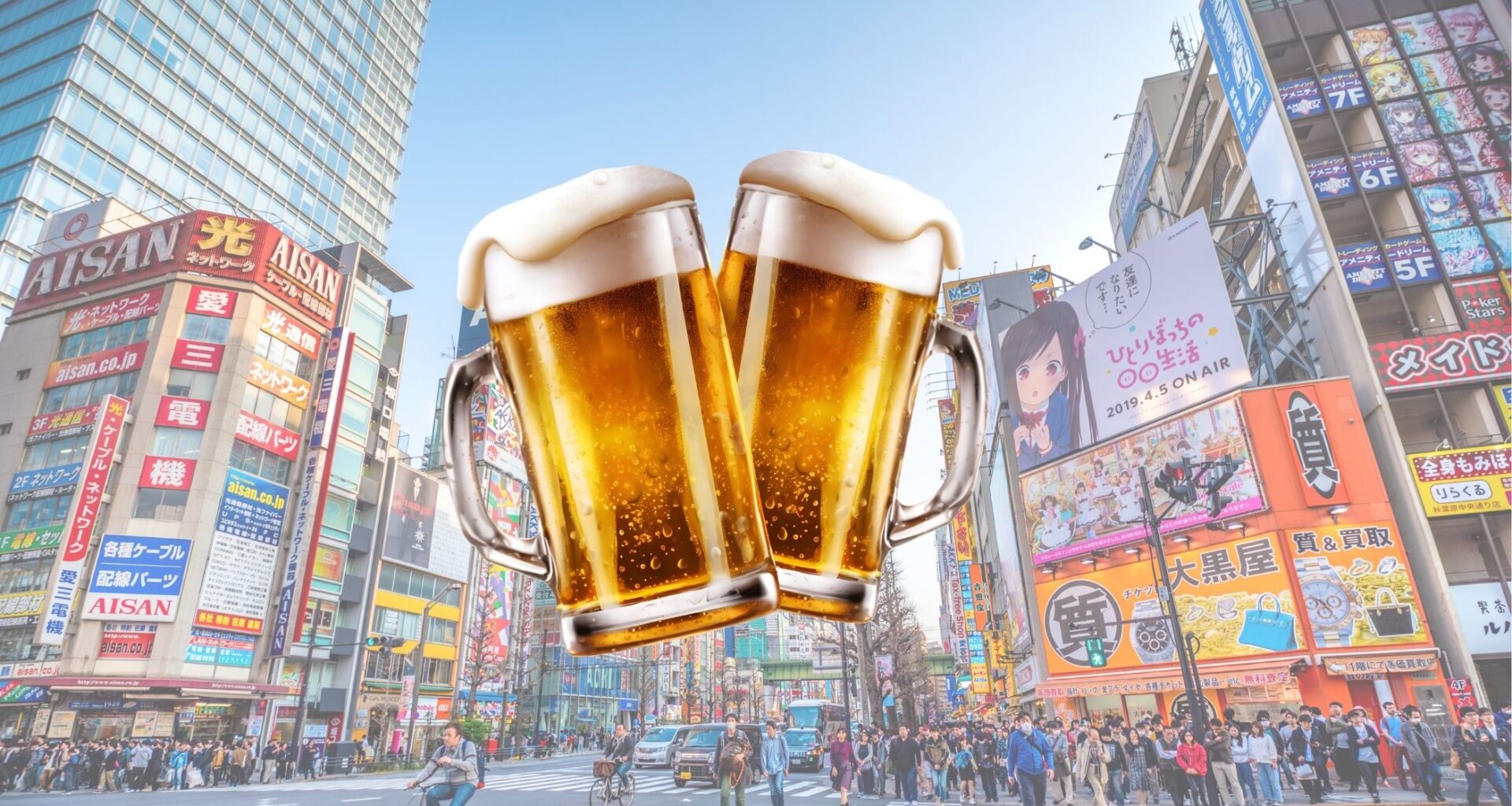
Drunk cyclists can face the same consequences as a DUI under a wave of new ‘BUI’ laws, with fines, bans, and even jail time growing worldwide.

Riding while drunk will cost you in Japan. (Photo: Canva)
Updated December 13, 2025 11:34AM
Driving under the influence has long been a big no-no, but there’s a recent push to extend that awareness to cycling with a growing number of cycling-targeted BUI laws.
As urban cycling and transport booms across the globe, law enforcement officials are widening the net from targeting drunk drivers to also cracking down on beer-swigging cyclists under the influence after a big night at the local bar.
Driving a car while blotto is universally condemned. Now, lawmakers are increasingly extending that reach to cyclists as cities fill with bikes, e-bikes, and scooters.
A patchwork of “BUI” — biking under the influence — laws has sprouted globally that largely mirror those applied to motorists.
Japan is the latest example. According to the BBC, nearly 900 people had their driver’s licenses suspended for drunk cycling between January and September 2025, compared with just two cases during the same period a year earlier.
The bump followed the enforcement of a revised traffic law that took effect in November 2024.
“Drunk cycling can lead to serious accidents,” a police official told Yomiuri Shimbun, the BBC reported. “I hope everyone will abide by the rule, ‘Don’t drink and ride.’”
The rules depend on the nation and jurisdiction, but the trend is growing as more bikes, pedestrians, and cars all vie to share public roadways and urban paths.
Drunk cyclists can face the same consequences as a DUI
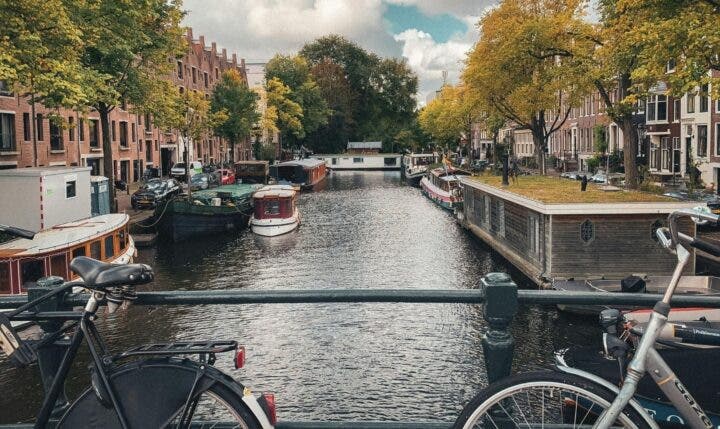 Cities like Amsterdam often have more bikes than cars, and traffic rules apply, including cycling under the influence. (Photo: Canva)
Leaving the car keys at home is always a good idea when heading to the local pub, but riding there on a bike isn’t the best alternative, either.
Is it a real problem? And are officials truly clamping down? It depends on where you live and cycle.
In Japan, under the new rules, riding with a blood alcohol concentration of 0.15 milligrams per liter of breath or higher is a punishable offense. Sanctions include criminal penalties, fines, and, in the most serious cases, prison sentences of up to three years and fines of up to ¥500,000 (about $3,200).
More infractions begin in April, when cyclists can also be fined for riding while holding an umbrella, using a phone, ignoring traffic lights, or riding without lights at night, the BBC reported.
Europe is following a similar path.
Bike-centric countries such as the Netherlands and Belgium have long prohibited drunk riding, though enforcement can often be lax.
Spain, facing a surge in electric scooters and urban cycling, now fines cyclists and e-scooter users who test positive on breath alcohol tests, typically €500 to €1,000 under stricter rules introduced in 2025.
In most European countries, cyclists are subject to the same BAC limits as drivers. Of course, it’s a much bigger problem of vehicles striking cyclists, but authorities are taking a harder line against under-the-influence cyclists as well.
Things are different in the United States.
Some states and municipalities allow cyclists to be charged with DUI-like sanctions if intoxication endangers safety, especially as legalized marijuana spreads.
Penalties can include fines, loss of driving privileges, or legal charges in the most extreme cases.
This California website — Bay Area Bicycle Law — lists a state-by-state breakdown of biking under the influence rules and whether the DUI laws apply to cyclists.
With the cops clamping down on drunk cycling, the Friday night pub ride is no longer the safest bet.