

The president of the Royal Institute of British Architects has voluntarily surrendered his legal right to use the title “architect” in protest at a lack of regulation that he warns has created a “severe risk” to public safety.
Chris Williamson, 69, designed the Elizabeth Line stations at Paddington and Woolwich in London as well as numerous other transport projects in the capital.
He will not renew his £225 registration with the Architects Registration Board which gives him the right to use the title “architect”. Williamson, who qualified in 1981, will no longer legally be able to call himself a registered architect.
It will be the first time since the Second World War that Riba has been led by someone who cannot legally describe themselves as an architect.

Chris Williamson, 69, designed the Elizabeth Line station at Paddington
CHRIS RATCLIFFE/BLOOMBERG/GETTY IMAGES
Williamson, who started a two-year stint as Riba president in September, has taken the decision to protest at the fact that while there is legal regulation over the use of the title of architect, there are no rules governing who can work as or perform the function of an architect.
He said not all parts of the job should be regulated but that there needed to be regulation over who could submit full planning applications, building control applications and final compliance certificates.
He said: “In this particular case, as there are with doctors and dentists and vets, there are certain things you have to regulate. There are severe risks of public safety and the design of our built environment.”
He said regulation should not be about the protection of a title. “Today, the most pressing architectural decisions — the climate emergency, relentless urbanisation, designing homes, workplace, healthcare, education, and critical infrastructure, co-ordinating fire and life-safety strategies, resolving complex technical details — can and are being legally made by people with no regulated training, no clear accountability and no professional duty of care. This is where regulation matters most.
“Regulating function would ensure that those entrusted with these responsibilities are properly qualified, insured and bound by clear ethical and professional standards.”
Williamson said he was “not protectionist” and that it was not “about guarding a profession for its own sake”, but “it is about acknowledging that architecture carries real social, environmental and safety consequences — and the public deserves to be protected accordingly”.
It takes seven years’ study to qualify as an architect. “There’s a reason we train for so long,” he said. “I think having a protection or regulation of the function and what you are allowed to do is important.”
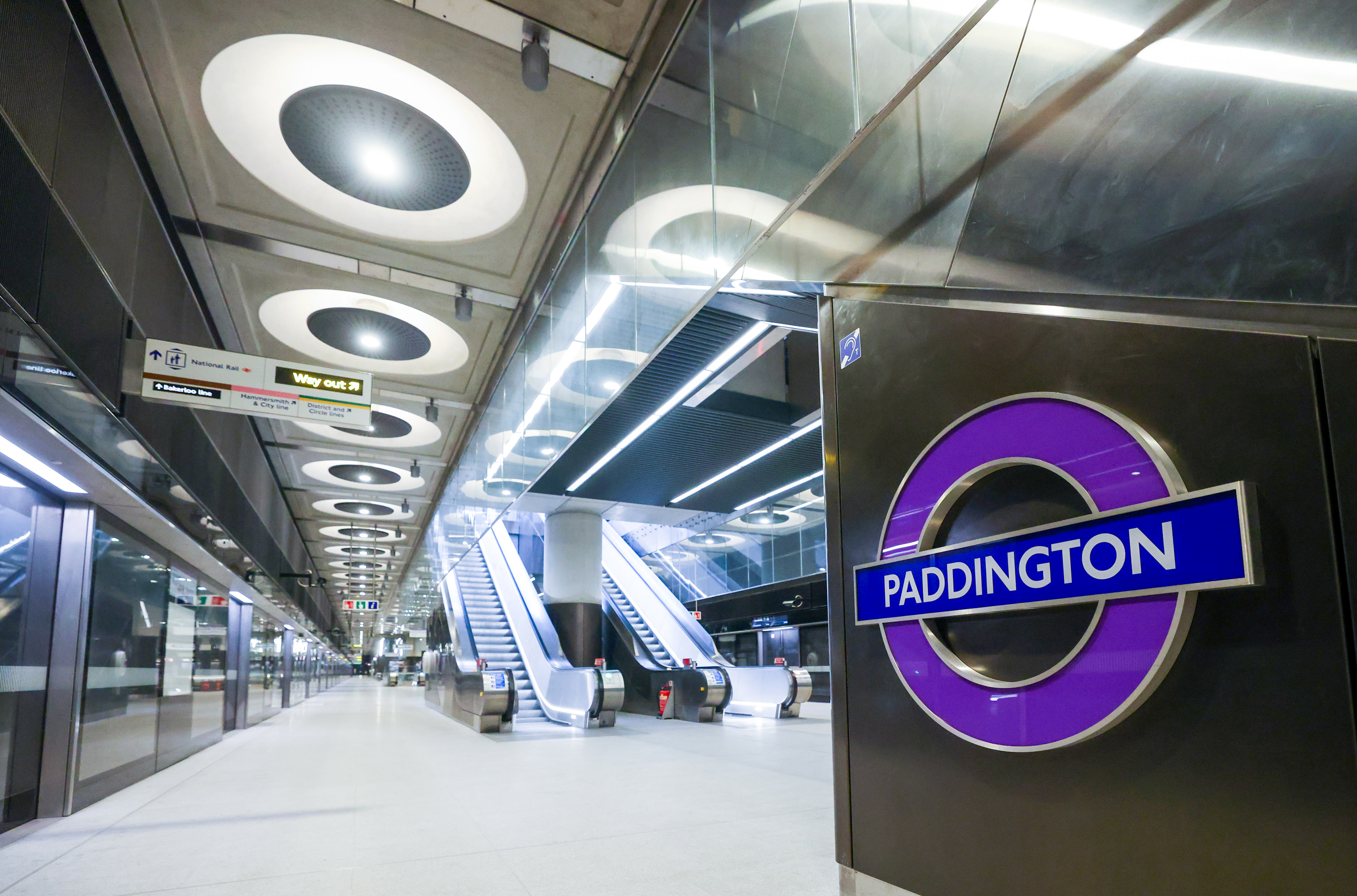
Paddington’s Elizabeth Line station
CHRIS RATCLIFFE/BLOOMBERG/GETTY IMAGES
Williamson said he felt able at this stage of his career to make such a protest, adding that someone operating a “one-man practice” would be unable to afford it. “I need to act on their behalf,” he said, adding that he made his decision after handing out hundreds of qualification certificates to young architects last week.
The Ministry of Housing, Communities and Local Government has created panels that give advice on fire safety in engineering and the building-control sector.
Eleanor Jolliffe, an architect, said in a letter to The Times about Williamson’s decision that regulators were having to to “define the characteristics of a competent designer for a block of flats without using the word ‘architect’”, adding: “It would be funny were it not so serious.”
The housing ministry said: “Architects are already regulated and while there are no plans to change this, we keep opportunities for reform under review. We are aware of the importance of competence, accountability and good regulation to achieve a safer built environment and continue to engage with the sector on this.”