
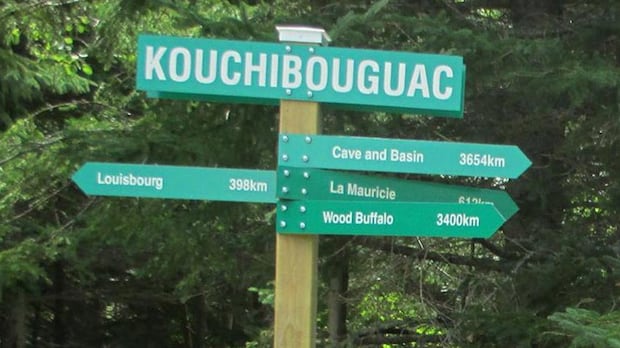
A new agreement signed between Parks Canada and eight Mi’kmaq First Nations in New Brunswick will give the Mi’kmaq a hand in the management of national parks and historic sites.
Known as the The Rights Implementation Agreement, it creates a co-management board that will make decisions for New Brunswick’s two national parks and five of its national historic sites.
“It is very exciting,” said Tracey Cloud, director of trilateral negotiations with Mi’gmawe’l Tplu’taqnn Inc., or MTI.
“It has been about six, almost seven years in the making of negotiations.”
It was 300 years ago on Dec. 15, 1725, that the first Peace and Friendship Treaty was signed between the British government and Aboriginal people in what is now Atlantic Canada.
While that treaty and subsequent ones enshrined rights for the Mi’kmaq to continue hunting, gathering and fishing practices on Crown land, those agreements haven’t always been followed.
That’s why the new agreement signed between Parks Canada and the Mi’kmaq First Nations is so important.
“The Mi’kmaq have had a consistent approach to honouring the obligations that were set out under the treaties,” said Cloud.
“And the Crown has also had a consistent approach, but generally in the opposite direction … So we’ve been working on changing that.”
WATCH | Rights were already protected by treaties, but new agreement renews respect for the Mi’kmaq:
Parks Canada, Mi’kmaw groups agree to co-manage 7 federal sites
Kouchibouguac and Fundy national parks, along with five national historic sites in New Brunswick, are included in the agreement.
In addition to the seven groups represented by MTI, Kopit Lodge also signed on to the agreement on behalf of Elsipogtog First Nation.
‘Now we’ll have the opportunity to tell both stories’
Cloud says that over the past few decades, the federal government has allowed for more Mi’kmaw practices in some locations, especially Kouchibouguac National Park.
“We’ve been alienated really from being able to practice rights-based activities,” she said. “So now we have the opportunity to develop stewardship plans to ensure our people are back out on the lands that they had prior to the park being implemented.”
Fundy National Park will also be included in the agreement, which allows for sustainable harvesting, restoration of wildlife and promotion of Mi’kmaw teachings.
“Parks Canada recognizes that these are unceded territories,” said Julie LeBlanc, the New Brunswick Field Unit superintendent with Parks Canada. “The Mi’kmaq have always proven to have a great respect for the land and have been great partners in helping us, whether it be in terms of monitoring, harvesting and understanding what makes sense.”
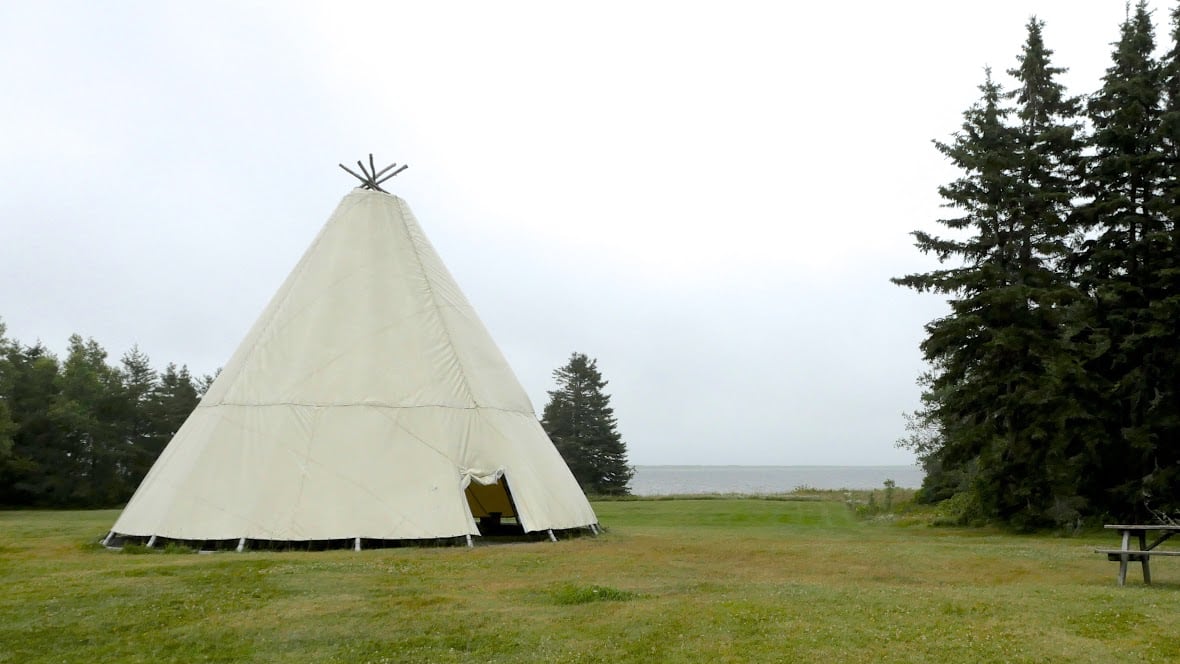 Traditional Mi’kmaw wigwams, such as this one in Kouchibouguac National Park, may become more common in national parks as the co-management agreement moves forward. (Calixte Leblanc)
LeBlanc says there’s also a goal of having more Indigenous people work with Parks Canada, increasing economic opportunities and continuing the switch back to Mi’kmaw place names.
“There’s a great appreciation from Parks Canada to want to get input and involvement from the Indigenous communities in New Brunswick, the Mi’kmaw elders and also bringing in the youth,” LeBlanc said.
The historic sites included in the agreement are Fort Beauséjour-Fort Cumberland, Fort Gaspareaux, Carleton-Martello Tower, Monument Lefebvre and Beaubears Island.
While many think of these sites as Acadian in origin, Cloud says there is Mi’kmaw heritage there as well.
“At Fort Beauséjour, you have the Fort, but also how the story is told within the Fort,” said Cloud.
“Usually the story that’s told is an Acadian story. So now we can infuse what was happening with the Mi’kmaq during this time.
“Now we’ll have the opportunity to tell both stories.”
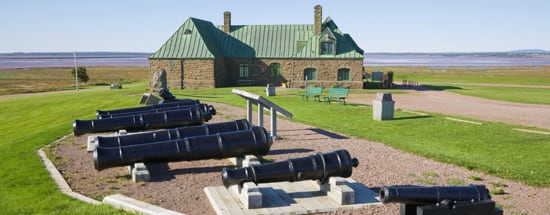 Fort Beauséjour is one of five national historic sites in the province that also falls under the new agreement. (Parks Canada)
Cloud says she’s eager to see more Mi’kmaq returning to the lands and implementing practices they’ve been using for generations.
Mi’kmaw way of decision-making
The agreement was signed into place in December of 2024, but wasn’t announced until nearly a year later, giving time to assemble a board made up of two Parks Canada representatives and four Mi’kmaq.
No one on the board has veto power and a consensus must be reached before moving forward with new ideas or practices.
“That board will make decisions through consensus, which is a traditional Mi’kmaw way of decision-making,” said Cloud.
“And because it’s not a vote, it means it actually creates this environment where folks really have to kind of really consider what’s in the best interest of the Mi’kmaq.”
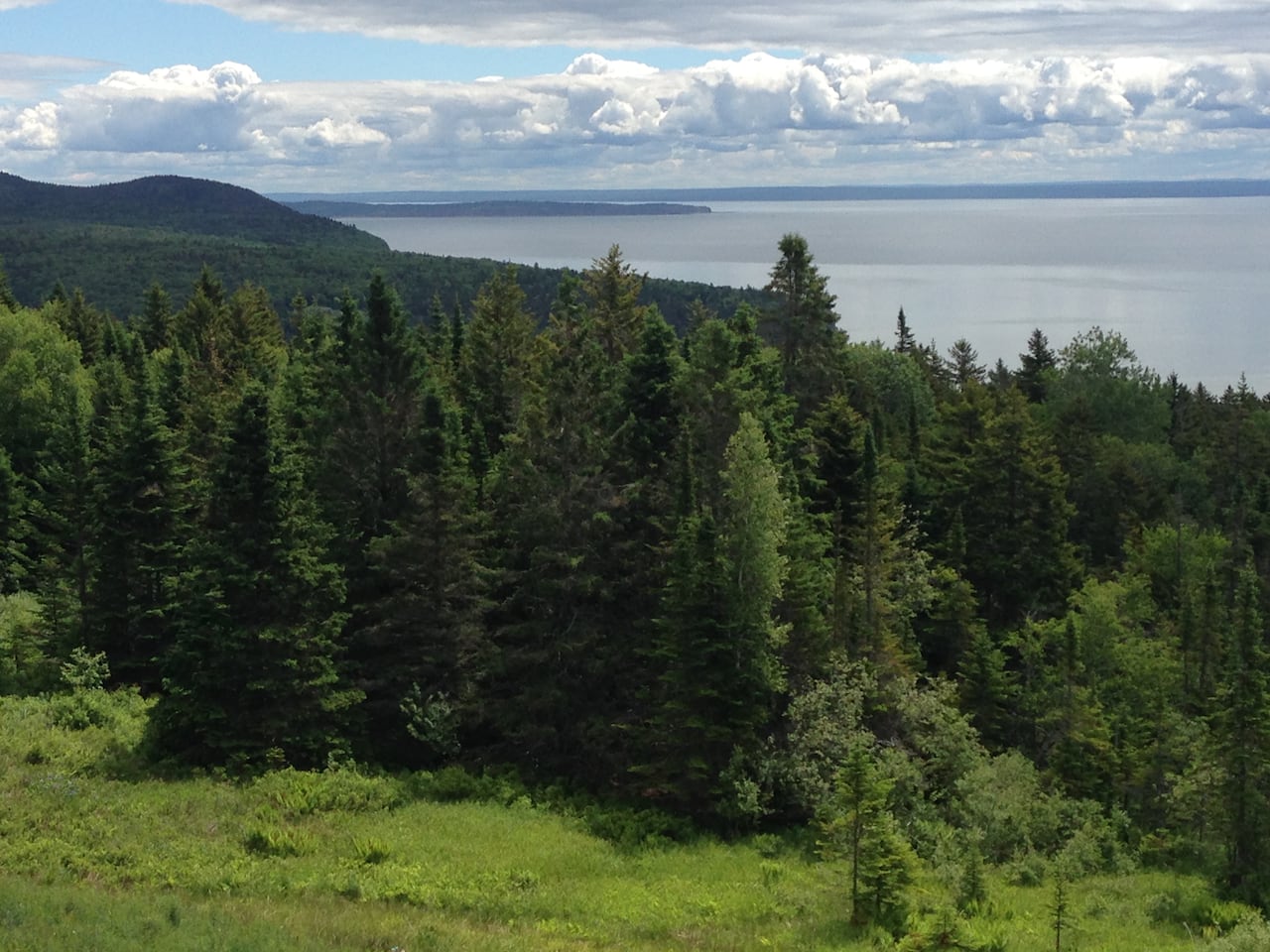 Fundy National Park is part of the new agreement, which says a co-management board will make decisions about the historic sites and parks by consensus, and no party will have veto power. (CBC News)
The board includes Fort Folly First Nation Chief Rebecca Knockwood and Indian Island First Nation Chief Ken Barlow, Cloud said.
While this is a co-management agreement, Cloud says she hopes it can lead to further discussions down the road about returning the land to the Mi’kmaq.
“We look at this agreement in the spirit of reconciliation,” Cloud said. “We kind of look at it as a stepping stone for the opportunity to move towards self-determination.”