
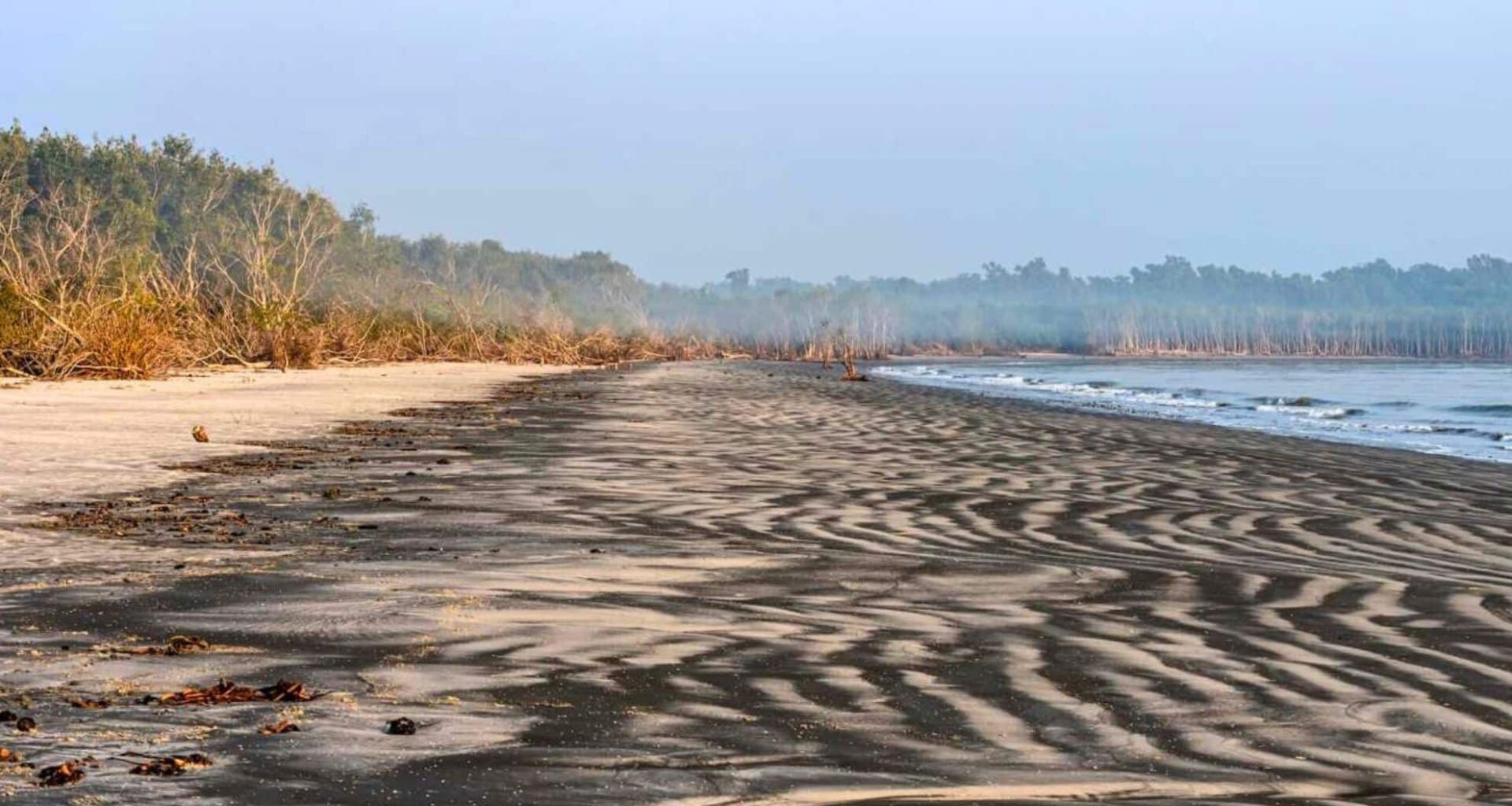
A turtle species long believed to have vanished from the wild is now cautiously resurfacing in the tangled waterways of the Sundarbans, a sprawling mangrove forest in southern Bangladesh. The northern river terrapin—Batagur baska—has gone from presumed extinction to the center of one of the most effective conservation efforts in South Asia.
Its return is quiet but significant. Decimated by decades of overharvesting, habitat loss, and river pollution, this critically endangered turtle had disappeared from scientific record by the early 2000s. For years, many conservationists feared the species had slipped into oblivion.
That changed in 2008. A small group of eight surviving terrapins was located in village ponds in Noakhali and Barishal. The discovery reignited interest from wildlife authorities and international partners, eventually launching a long-term river terrapin recovery program under the supervision of the Bangladesh Forest Department.
Since then, more than 100 hatchlings have been reintroduced into the wild, marking a slow but measurable return of a species once thought lost for good.
Building a Breeding Stronghold in Karamjal
After the rediscovery, conservationists relocated the remaining adults to Bhawal National Park, where a small-scale breeding initiative began. Initial success led to a transfer of the program to the Karamjal Wildlife Breeding Centre in the Sundarbans—a location better suited to the turtles’ natural riverine environment.
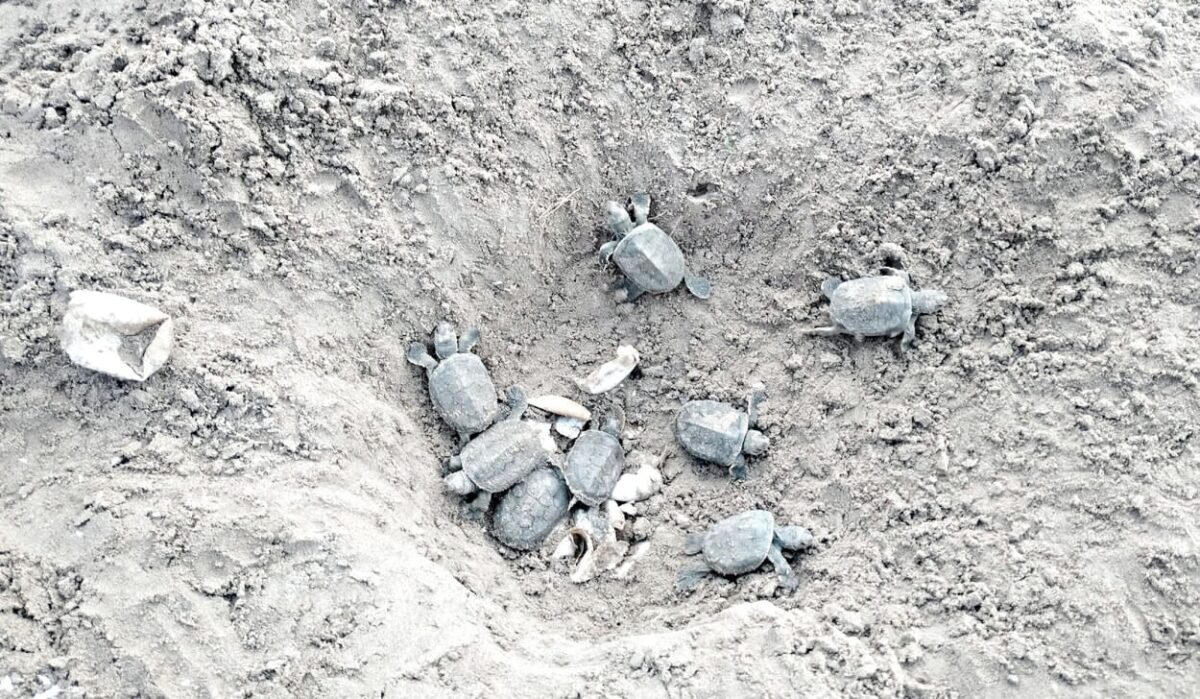 A Decade Long Conservation Effort Brings One Of The World’s Rarest Freshwater Turtles Back From The Edge Of Extinction. Credit: DailyStar
Breeding results at Karamjal have been impressive. From 2014 through 2025, 433 hatchlings emerged from 519 eggs, a strong success rate for a species with such a limited gene pool. This year alone saw 65 hatchlings from 82 eggs laid by just three females, all under close observation by Forest Department staff.
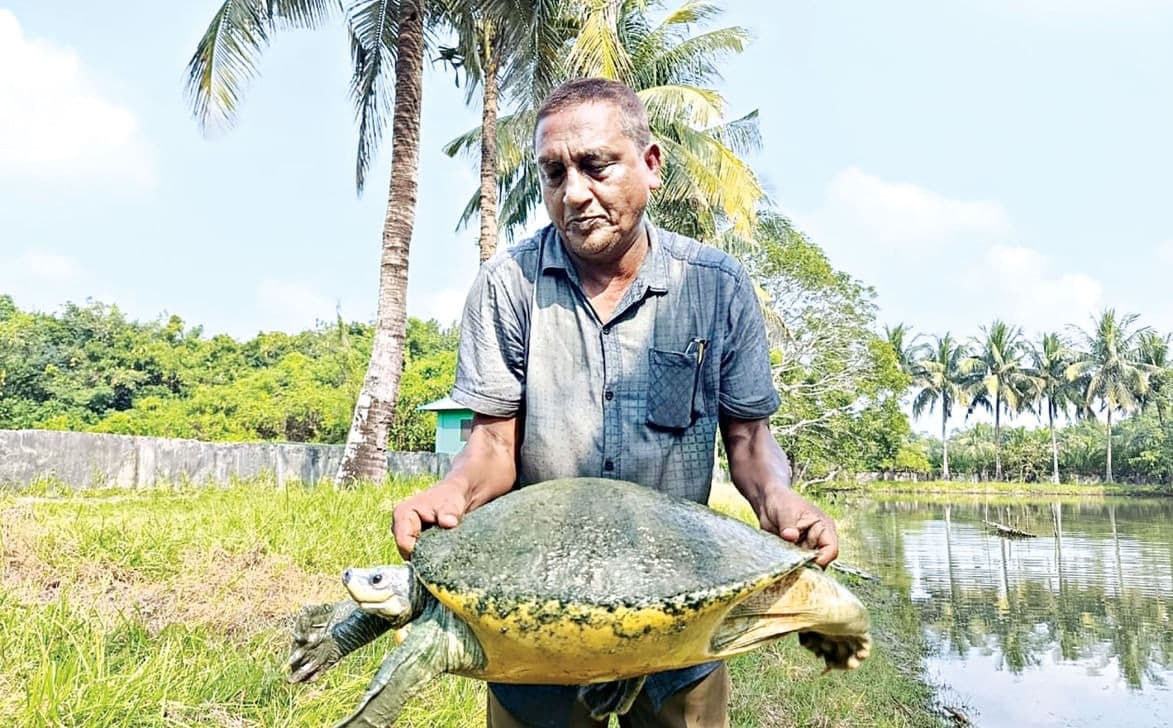
At present, Karamjal hosts 457 northern river terrapins, including 15 adult turtles, positioning it as the single most important habitat for the species globally. Staff at the center have constructed sandy nesting sites, controlled incubation systems, and aquatic enclosures to mimic natural conditions as closely as possible.
The center’s manager, Hawlader Azad Kabir, confirmed that young turtles are raised in water tanks and gradually moved into semi-wild enclosures to adjust before full release, as reported by The Daily Star.
Technology Meets Tradition in Species Recovery
To monitor reintroduced turtles and assess post-release survival, researchers have deployed satellite transmitters on 21 male terrapins since 2017. These devices allow wildlife biologists to track movement across the delta and refine release strategies in real time.
 Credit: DailyStar
The program has grown through international collaboration. Organizations like Vienna Zoo and the Prokriti O Jibon Foundation now support the effort. Earlier contributions came from the Turtle Survival Alliance, a U.S.-based nonprofit specializing in turtle conservation and habitat protection worldwide.
Breeding methods continue to evolve. Conservationists are adjusting incubation temperatures to improve hatchling sex ratios and fine-tuning diets to boost survival rates. Much of this work is conducted in controlled environments, ensuring that when turtles are released, they have the best possible shot at survival.
A Win for Biodiversity in a Climate-Threatened Region
The terrapin’s comeback isn’t just a single-species success. It also reflects broader improvements in freshwater biodiversity and wetland restoration within the Sundarbans—an ecologically fragile region increasingly impacted by rising seas and salinity intrusion.
 Credit: DailyStar
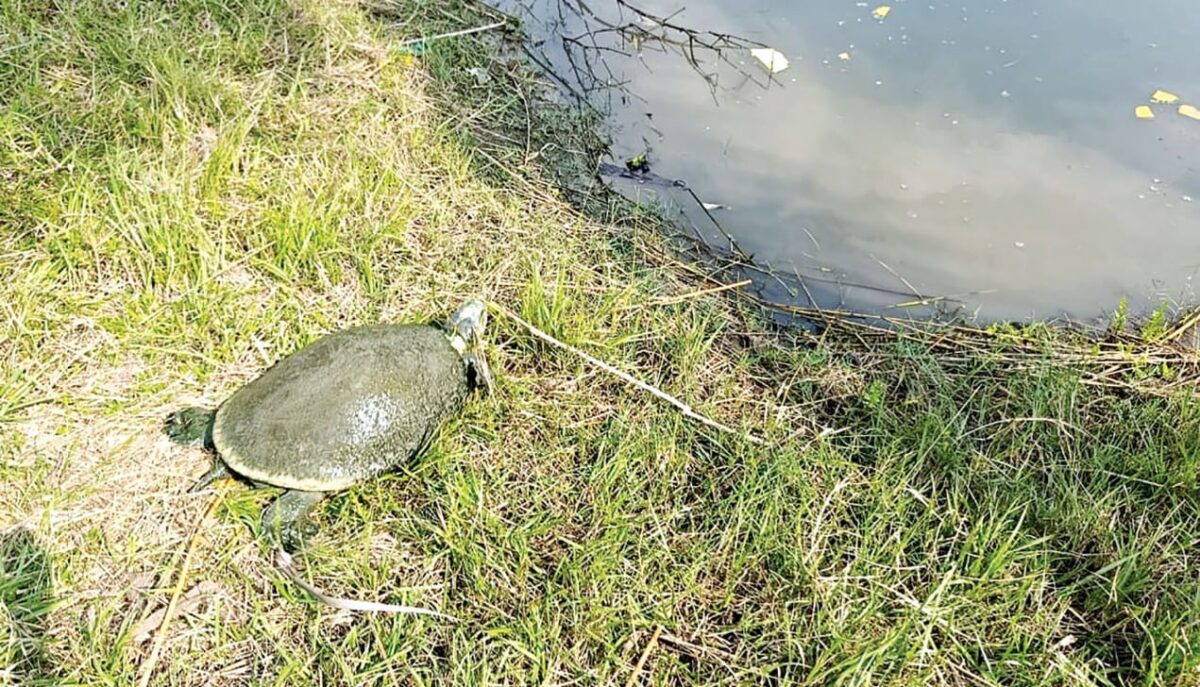
Terrapins play an important ecological role, helping regulate food webs and contributing to the health of river systems used by millions. Their presence signals cleaner water and more stable riverbanks—indicators that benefit both ecosystems and local livelihoods.
By involving nearby communities in the protection effort, forest officials are building local awareness and reducing pressures from poaching and destructive fishing practices. Turtles released into the wild now benefit from increased security in semi-wild sanctuaries, thanks to public education and habitat controls.
Md Rezaul Karim Chowdhury, divisional forest officer of the East Sundarbans, described the effort as a turning point, stating in The Daily Star: “This is a milestone in Bangladesh’s conservation history. It proves that with proper planning and scientific commitment, even a nearly extinct species can be brought back.”
Next Steps: Protect the Habitat or Risk Losing Momentum
Despite steady gains, scientists warn that the Batagur baska remains at high risk. Without aggressive action to preserve nesting banks and enforce fishing restrictions, reintroduced turtles may not survive long enough to reproduce naturally in the wild.
Natural habitats continue to shrink under the weight of development, sand extraction, and river pollution. Conservationists emphasize that breeding success must be matched by habitat security if the species is to transition from managed care to wild population recovery.
Future plans include scaling up releases, strengthening local enforcement against poaching, and securing legislative protections for remaining wild habitats. As more young turtles grow strong enough for release, the focus is shifting toward ensuring they find a river system capable of sustaining them.