
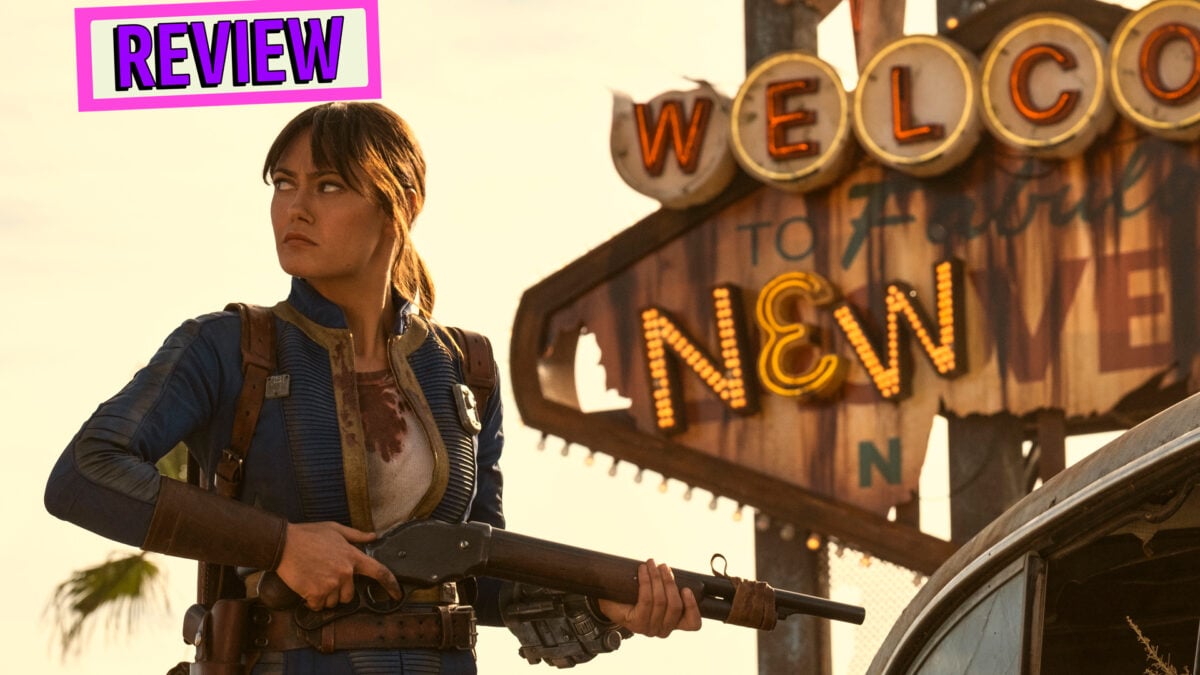
When Fallout hit Prime Video last spring, not even Amazon itself might have expected the rip-roaring response to the show’s spin on the beloved video game RPG series (although the signs were there that the streamer knew it was onto something). It’s no surprise then that, having found Fallout a hit, the show is leaning on an iterative, rather than evolutionary, arc for its sophomore season. But while that overall means that more Fallout is a good thing—especially in the interesting ways it builds upon what made season one work in the first place—it also means that, quite like its oft-quoted line about war, the show itself never really changes.
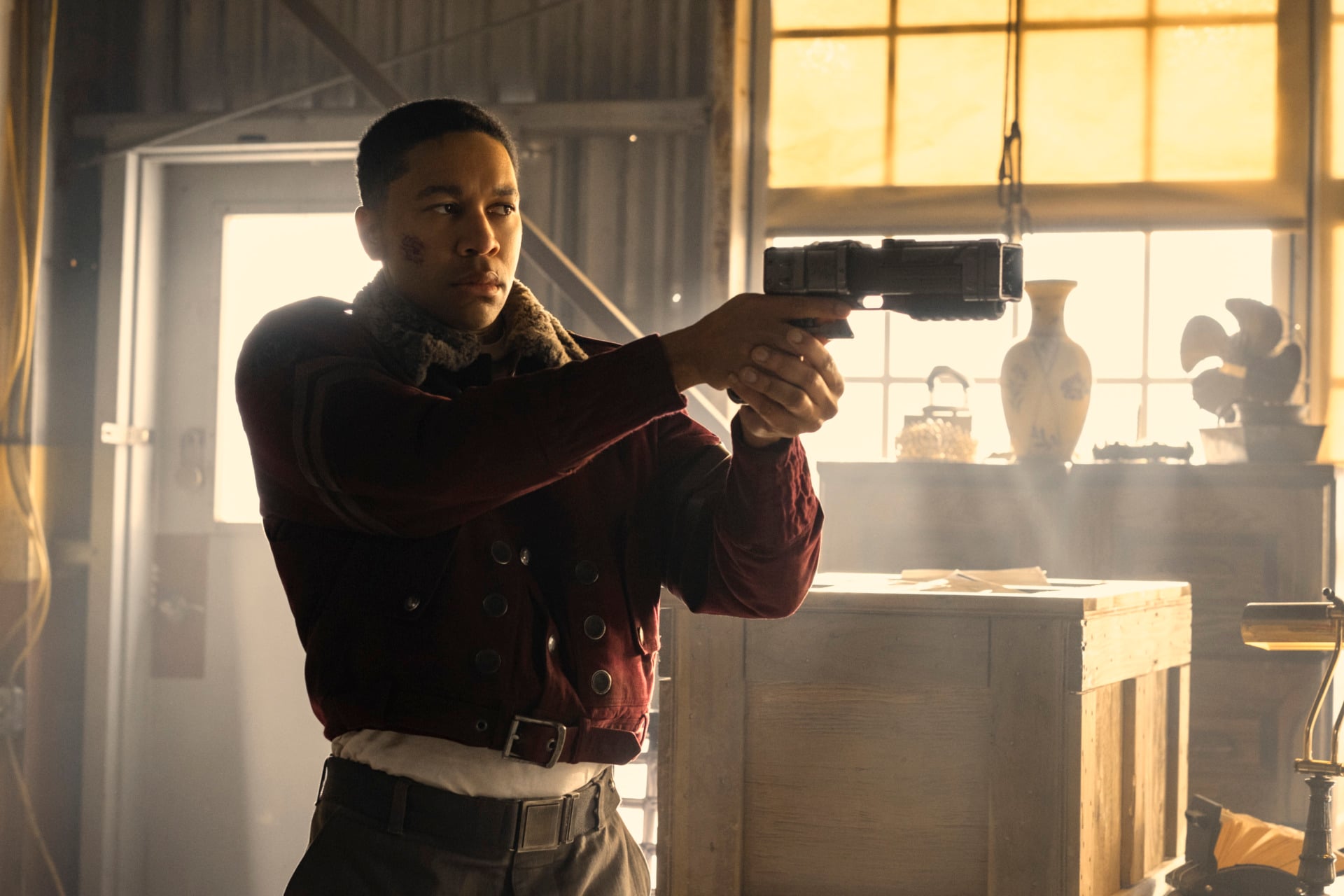
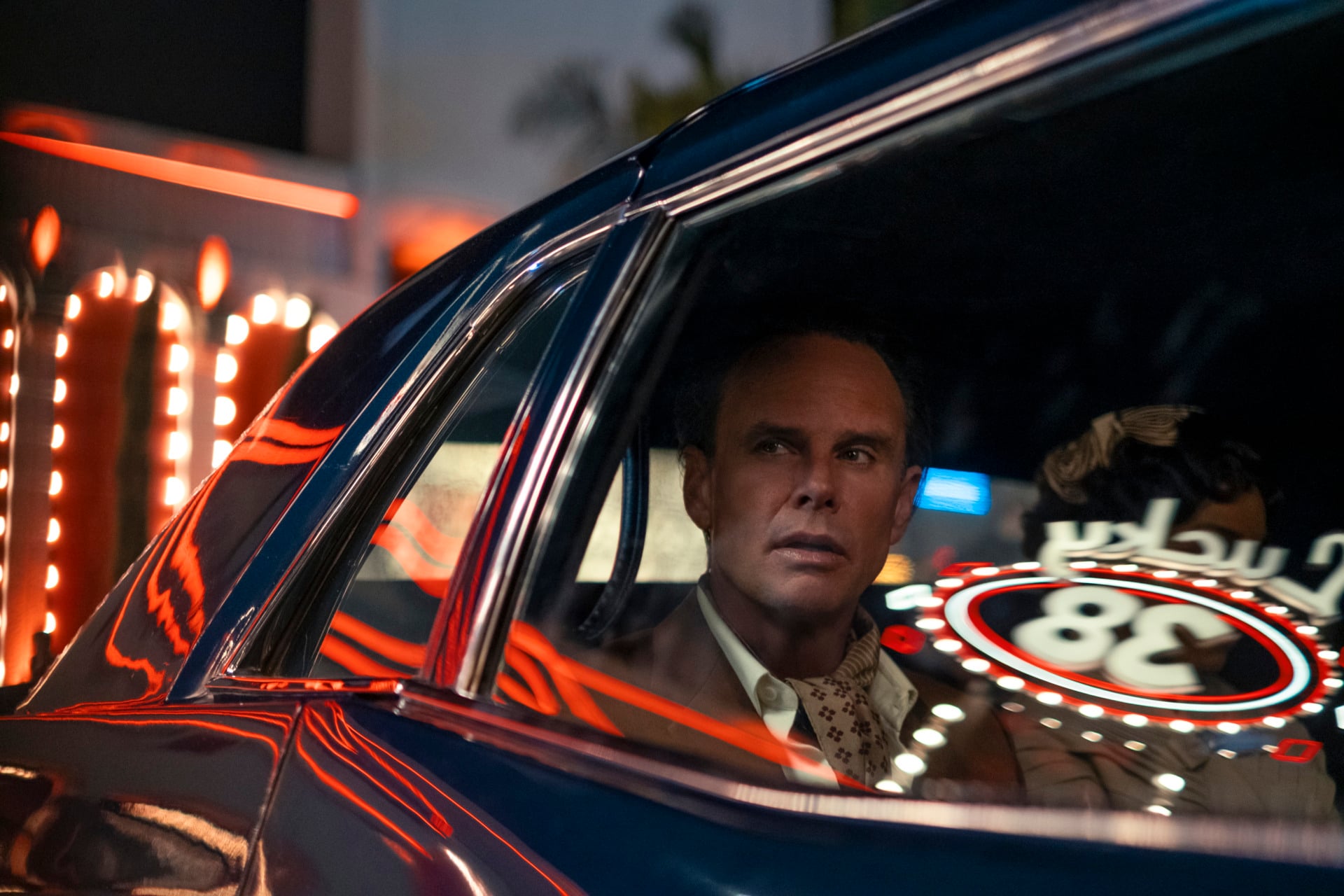
In many ways, across the six episodes of Fallout season two that Amazon provided for review (out of eight total), the show is in a state of second verse, same as the first. The show still follows the separate-yet-intermingled stories of three wasteland inhabitants—Ella Purnell as Lucy, a vault dweller learning the lay of the post-apocalyptic land; Walton Goggins as the Ghoul/Cooper Howard, an irradiated undead wanderer on the hunt for revenge; and Aaron Moten as Maximus, a member of the heavily armored Brotherhood of Steel realizing the faction he’s given much of his life to is on the verge of moral and perhaps literal collapse—as they march from one place to another on their merry quests.
 © Prime Video
The show still strikes a balance between an irreverent, hyper-violence-fueled jokey tone, pairing buckets of gore with ’50s-nostalgia music cues, with a smarter, deeper emotionality that has its key players reflect on the nature of violence and capital in a world destroyed by both. The show still, for the most part, methodically lays out a breadcrumb of mystery for its players in the “present” of the late 2200s, tied through flashbacks to the past of the pre-war 2070s. If you liked how Fallout season one approached the worldview and general approach to the legacy of the games—even as it occasionally controversially strayed from established game lore—then you will continue to like season two, as it keeps doing the same kinds of things in a slowly evolving context.
That’s not to necessarily diminish what Fallout continues to succeed at, however. With the broader mystery of the origins of the apocalypse already laid out on the table, season two roots itself in exploring not so much the structural hows and whys of it all but the personal drama that paved the way to that apocalypse in the first place—and how those same kinds of conflicts have continued to emerge on macro and micro scales in the distant present. Lucy’s arc, now that she knows about her father Hank’s (the returning Kyle MacLachlan) part in not just the underground vaults’ creation but also his part in Vault-Tec’s sinister plans to rule the wasteland, is less about trying to find him and more about how she is beginning to grapple with the ways the wasteland and its penchant for violent solutions have changed her, and what her sense of justice will mean by the time she comes face-to-face with her father.
The Ghoul’s arc, meanwhile—largely more intersected with Lucy’s as the duo more willingly work together to find Hank—turns further inward. The series’ arching flashbacks to his life as Cooper Howard exist less to add context to that seasonal mystery and more to flesh out who the Ghoul is as a person and how a man like Howard could become the cold, driven bounty hunter in the first place. It means Goggins’ role this season is less the terrifying anti-hero and more a sympathetically driven man, but it’s equally compelling a role, if not arguably more, given the ways it gets to feed into and parallel Lucy’s arc about the nature of violence as they spend more screentime together.
 © Prime Video
Maximus, while distinctly the most separate of the three primary storylines, still builds on his role in season one, his higher place in the Brotherhood—after inadvertently taking claim for the Brotherhood’s victory against the New California Republic in season one’s climax—only complicating his own personal need to survive and try and do the right thing, even as he continues to make spectacularly messy decisions to get there. Of the main trio, Maximus’ story suffers the most simply because he doesn’t have Lucy to bounce off of anymore, but it still manages to smartly tie in to Fallout‘s broader musings on power, justice, and violence—musings that now individually shape and drive these characters as people, instead of necessarily just informing the broader context of the world around them as it did in season one. If Fallout‘s debut was about setting up the lay of the land, then season two is all about diving deeper into how this world has impacted upon our “heroes,” for want of a better word.
In lieu of the Ghoul himself filling in for more of an antagonistic role this time round, Fallout season two finds some more explicit villains to shape itself around, although rather indirectly. Returning, of course, is Hank MacLean, his allegiance to Vault-Tec in the past and present now out in the open, but he largely exists in season two as a looming specter, a distant point for Lucy and the Ghoul to eventually reach, rather than an active participant. Similarly distant, but arguably much more influential to the show’s broader themes, is Justin Theroux’s Robert House, an infamous figure from the beloved Fallout: New Vegas.
While New Vegas fans may bristle at some elements of the city and its sinister overlord’s transition from game to TV not aligning with what was established in the former, House is a fascinating and deeply personal foil for the show to play off of, even if his presence is largely kept to allusions and flashback appearances. More so than Hank or any other force in the show’s narrative, House’s persona embodies every ugly thing Fallout has to say about capital, control, and power, and the consequences of those driving factors within him ripple out and touch almost every corner of the show’s narratives, no matter how disconnected they appear to be in the here and now. It says a lot that House has relatively little screentime and yet compellingly dominates Fallout‘s narrative this season, if not directly, then by what he represents in the show’s thematic core.
 © Prime Video
But while Fallout does find plenty to chew on as it explores most of its cast more deeply this season, it often takes its time doing so to a degree that almost threatens to stretch its pacing a little too laboriously. It doesn’t help that, although it’s being positioned this season as a weekly release compared to the binge format of season one, season two doesn’t feel like it’s been made with that kind of rollout in mind, with each individual episode struggling to stand alone even as they fit into a broader, stronger narrative picture. The jury’s out on whether or not audiences will react better or worse to not simply being able to keep watching, but even being able to access a majority of the season for the review, Fallout feels more methodical this time around compared to before, and that occasionally leads to a distinctly lacking sense of momentum that may frustrate viewers checking in every week.
Thankfully, that issue isn’t fatal. Fallout is a show confident in itself, just as it was when it first stepped out of the vaults last year—and while that means its formula hasn’t really changed too dramatically for season two, minor faults and all, it means the show now knows it can dive a little deeper into its characters and world, marinate in the ideas it’s playing with a little more, and turn out a show that, while familiar to us now, is as strong and interesting as ever.
Fallout season two begins streaming on Prime Video later today, December 16, at 9 p.m. ET, before rolling out weekly on the streamer.
Want more io9 news? Check out when to expect the latest Marvel, Star Wars, and Star Trek releases, what’s next for the DC Universe on film and TV, and everything you need to know about the future of Doctor Who.