

Interior design trends rarely disappear overnight, but as homeowners look toward 2026, designers agree that many once-popular styles are beginning to feel dated. From fast furniture and overly coordinated rooms to open-concept layouts that no longer fit how people live and work, the focus is shifting toward longevity, real functionality, and spaces that feel personal rather than performative for social media. So what does
Here are eight design trends going away in 2026 and what’s replacing them according to interior designers.
Fast Furniture Is Losing Its Appeal
Nobody will want this in 2026
getty
Yes, fast furniture is finally slowing down. The dreaded cousin of fast fashion, cheap designer dupes, often made with inferior materials, are on their way out in the coming year. Designer Sally O’Connor of Hesellic tells me her clients are becoming far more intentional with their purchases. “Clients are wanting to prioritize sustainability and quality, leaning towards timeless pieces made from durable materials that promise longevity over disposable options. We’re excited for this will pave the way for even more artisanal products in our projects.”
Nicole Gordon adds that this shift is part of a larger rejection of overconsumption. “The world is too upside down to consider buying something that will inevitably become landfill. Instagram, TikTok, adverts on TV drive us to buy and buy, but what is the lifecycle of that piece? What happens if the new desk you bought is made poorly and breaks? I find my clients are more concerned with the heritage of an item and not buying to fit an aesthetic that would look great when photographed,” notes the designer.
However, this doesn’t mean furniture seekers are going all out for pieces they can’t afford, especially considering the current state of the economy. Instead of opting for cheap, trend-driven pieces, consumers are increasingly turning to vintage and thrifted finds when making more budget-conscious purchases.
Homes Designed For Social Media
Cozy is still cool, but not like this
getty
According to interior designer Ryan Saghian, homes built primarily for social media are quickly falling out of favor. In 2026, he predicts homeowners will move away from designing for the camera and instead prioritize real life. “Homes that prioritize perfectly curated, picture-ready rooms are starting to feel dated. When form outweighs function, the space stops serving the way people actually live.”
That doesn’t mean homes won’t be beautiful, but aesthetics will be more purposeful, with design choices rooted in daily routines rather than creating viral moments.
White Oak Everywhere
White Oak everywhere is losing its appeal
getty
White oak has dominated interiors for nearly half a decade, especially in the flooring and cabinetry categories. While designers don’t expect it to disappear entirely, homeowners are beginning to use it more selectively. Leigh Lincoln, Pure Salt co-founder and principal designer, explains, “Gone are the days when you would see a kitchen with white oak floor, white oak cabinetry, and white oak furniture. Instead, we are gravitating towards depth and warmth, with mixed wood tones and painted cabinets. Homes are meant to feel curated and collected, and an over-saturation of one material has diminishing design returns.”
Open-Concept, Multi-Use Spaces
The open plan is almost officially closed
getty
Open-concept living peaked before the pandemic, but changing lifestyles, especially with the rise of remote work have made homeowners rethink how space is used. “Instead of one great room, clients are opting for definition between the kitchen, living, and dining with architectural details like archways, hallways, and design-moment walls,” says Aly Morford, Pure Salt co-founder and principal designer.
More segmented layouts also allow for greater customization, giving homeowners the freedom to design spaces that truly function for their lifestyles “These floorplan changes allow for additional design opportunities—corner reading nooks, built-ins for personal pastimes, and zen-like spaces for relaxation.”
Overly Coordinated Interiors And Matching Furniture
Time to mix things up
getty
Buying everything from one store or furnishing a room entirely from a single collectionmay be convenient (and often cheap), but designers say it results in flat, predictable spaces. Saghian believes 2026 will mark the end of overly coordinated interiors and boring furniture sets. “Spaces where everything matches perfectly from the same collection are beginning to feel flat and predictable. When a room looks like it was completed all at once, it often lacks character.”
What’s replacing it is a more layered approach. “Mixing eras, finishes, and styles to create contrast and narrative. The most compelling interiors feel layered and personal rather than overly styled.”
Organic Modern Design
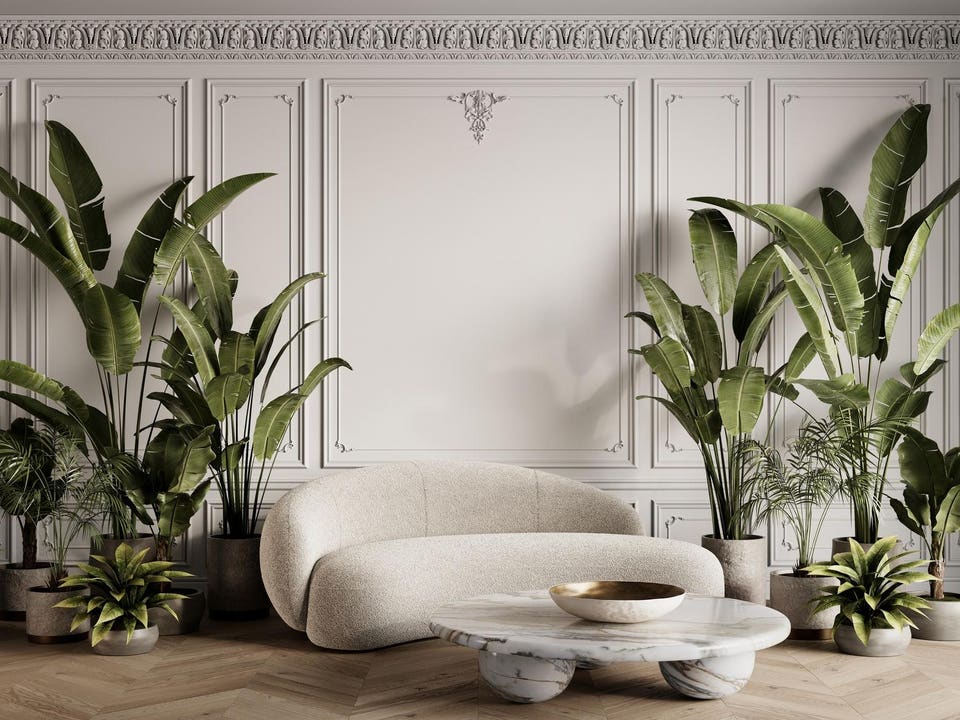
Once fresh and distinctive, organic modern interiors have become so ubiquitous that they now feel tied to a specific era. Saghian notes exaggerated curves, bouclé-heavy spaces, and overly soft forms are losing their appeal. What once felt organic now feels forced and repetitive.
Instead, he sees a move toward more refined curves: “Architectural curves rooted in plaster, millwork, and proportion rather than novelty. Softer edges, rounded transitions, and sculptural moments that feel intentional and enduring.”
For those not ready to give up those big bouclé sofas and headboards, O’Connor offers reassurance. “If you have boucle pieces already, don’t fret—they can still shine when mixed with varied textures, adding depth and interest to your space.”
Accent Walls
Accent walls are falling by the wayside
getty
From a bold paint pop to wallpaper, accent walls have long been an easy way to add interest, but many see this look as overdone. O’Connor predicts they’ll finally fade in 2026. “The trend of single accent walls is losing its charm, with clients now opting for more dramatic approaches.”
That drama comes in the form of color drenching and layered finishes. “The focus will shift toward softer finishes like limewash and polished plaster, moving away from flat matte paints for a more refined aesthetic.”
All-White Kitchens
Bye white, hello color
getty
Designers have been predicting the end of the all-white kitchen for years, but O’Connor says 2026 is when the shift truly takes hold. “All-white kitchens will be replaced by more vibrant, colorful alternatives. We will be more open to experimenting with bold cabinetry, unique backsplashes, and mixed materials, transforming kitchens into focal points of creativity and personality.”