
American ski towns bracing for a steep decline in Canadian tourism are still hoping they can coax their northern neighbours back this holiday season.
Ultimately, the decision to travel south might hinge on snowfall rather than politics. While it’s still early in the season, there are some signs that Canadians’ resolve to spend their dollars close to home is starting to wane.
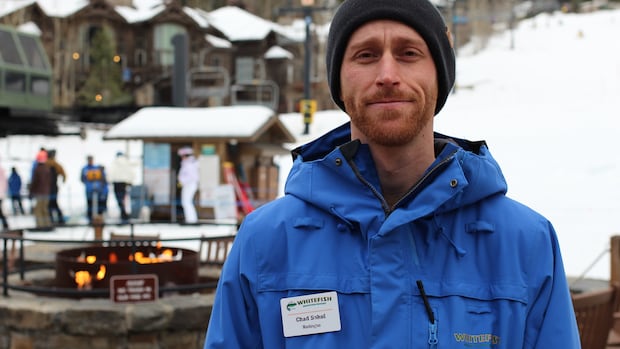
On a recent December morning, Montana’s Whitefish Mountain Resort — about an hour south of the border with southeast B.C. — was quiet after a rainy start to the week.
Still, public relations manager Chad Sokol was optimistic numbers would ramp up by Christmas, historically one of the resort’s busiest times of year.
“It’s all hands on deck,” Sokol said. “We did see a drop in Canadian visitation over the past year or so in the city of Whitefish … so we’re interested to see where things go from here.”
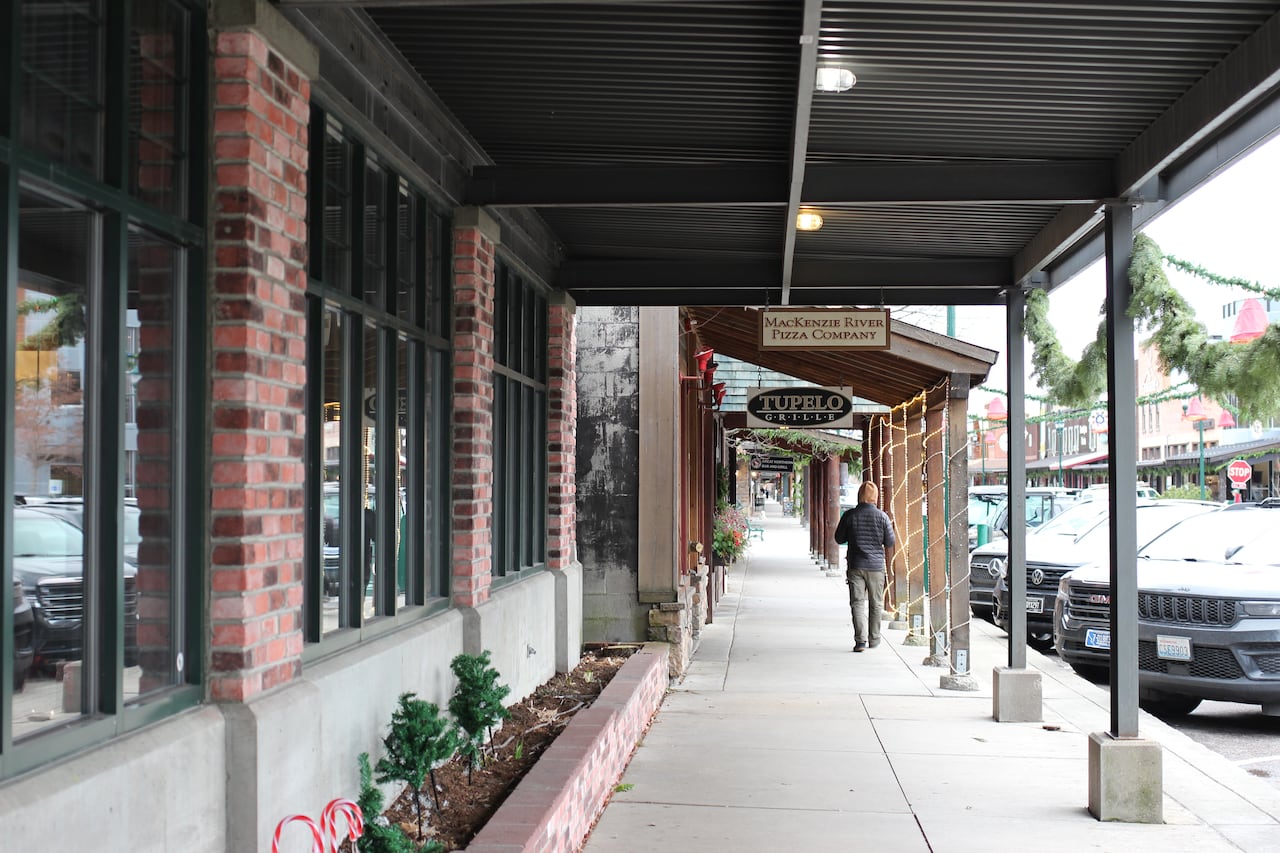 Empty sidewalks in downtown Whitefish, Mont., on Dec. 16. (Paula Duhatschek/CBC)
Canadian licence plates are typically a common sight in Flathead County, which includes the ski towns of Whitefish and nearby Kalispell.
Canadians visit in winter to ski, in summer to boat, and at all times of year to shop or to replace their aging knees, said Diane Medler, executive director of the Kalispell Chamber of Commerce.
But from January through September, border crossings plummeted and Canadian credit card spending in the region declined by 39 per cent, Medler said.
“It’s disappointing and sad,” said Medler, though she said she understands why many Canadians have chosen not to visit.
WATCH | Montana residents reflect on tourism slump:
The mood in Montana as most Canadian travellers continue avoiding the U.S.
Mountain communities in Montana usually see many Canadian visitors, but not this year because of the trade war and low value of the loonie.
Canadian travel to the U.S. has been down since President Donald Trump returned to the White House, sparked a trade war and started spitballing about Canada becoming the 51st state.
Beyond political sentiment, the region has other factors working against it as a tourism hotspot. The weak Canadian dollar makes a trip down south a pricier proposition, and the December ski season in Whitefish has been marked by rain, not snow.
Meanwhile, the Canadian Rockies have been blanketed with early season powder and business is booming.
SkiBig3, which sells tickets and vacation packages to resorts in Banff and Lake Louise, said it’s had 11 powder days since November and is seeing huge spikes in ticket sales from both local and international visitors.
Canadian sales are up 10 per cent, sales in the U.S. are up nine per cent, while sales from visitors in the U.K. and Australia are up 20 and 25 per cent, respectively.
“It’s awesome to see,” said Rachel Wilson, SkiBig3’s marketing director.
Coaxing Canadians
The U.S.-based National Ski Areas Association (NSAA) expects Canadian visitation could slow down this year, with larger destination resorts and areas hugging the border likely to be most affected.
“We as an industry are certainly hoping that they will choose to visit those resorts as much as possible,” said NSAA president Mike Reitzell.
 Gabe Mariman, co-owner of Bias Brewing in Kalispell, Mont., says he feels a kinship with Canadians. (Paula Duhatschek/CBC)
In downtown Kalispell, Bias Brewing co-owner Gabe Mariman is offering buy-one-get-one free beers in a small effort to encourage Canadians to visit and stay a while.
“If you look at a Montanan and an Albertan, we have a lot more in common than we have different,” said Mariman, who says he misses conversations with Canadians over a pint.
“I feel like these are my neighbours.”
Other businesses in Kalispell are offering discounted ice cream cones, hotel stays and museum tours in an attempted show of good faith to Canadian visitors organized by the chamber of commerce.
 Switchback Suites owner Joe Jiminez says he’s already had customers take him up on a discounted rate for Canadians. (Paula Duhatschek/CBC)
Joe Jiminez, who runs a local hotel, has knocked 20 per cent off booking fees for Canadians in an attempt to boost his occupancy numbers, which are down 25 per cent so far this year compared to 2024.
“It’s off to a pretty good start,” said Jiminez, owner of Switchback Suites. “I think we have one [Canadian] checking in on Friday.”
Skier Whitney Bradbury, who lives about three hours south of Whitefish, said she hopes to see Canadians out on the U.S. slopes again this year.
“We always think Canadians are amazing,” she said. “Very friendly and just peaceful and cordial.”
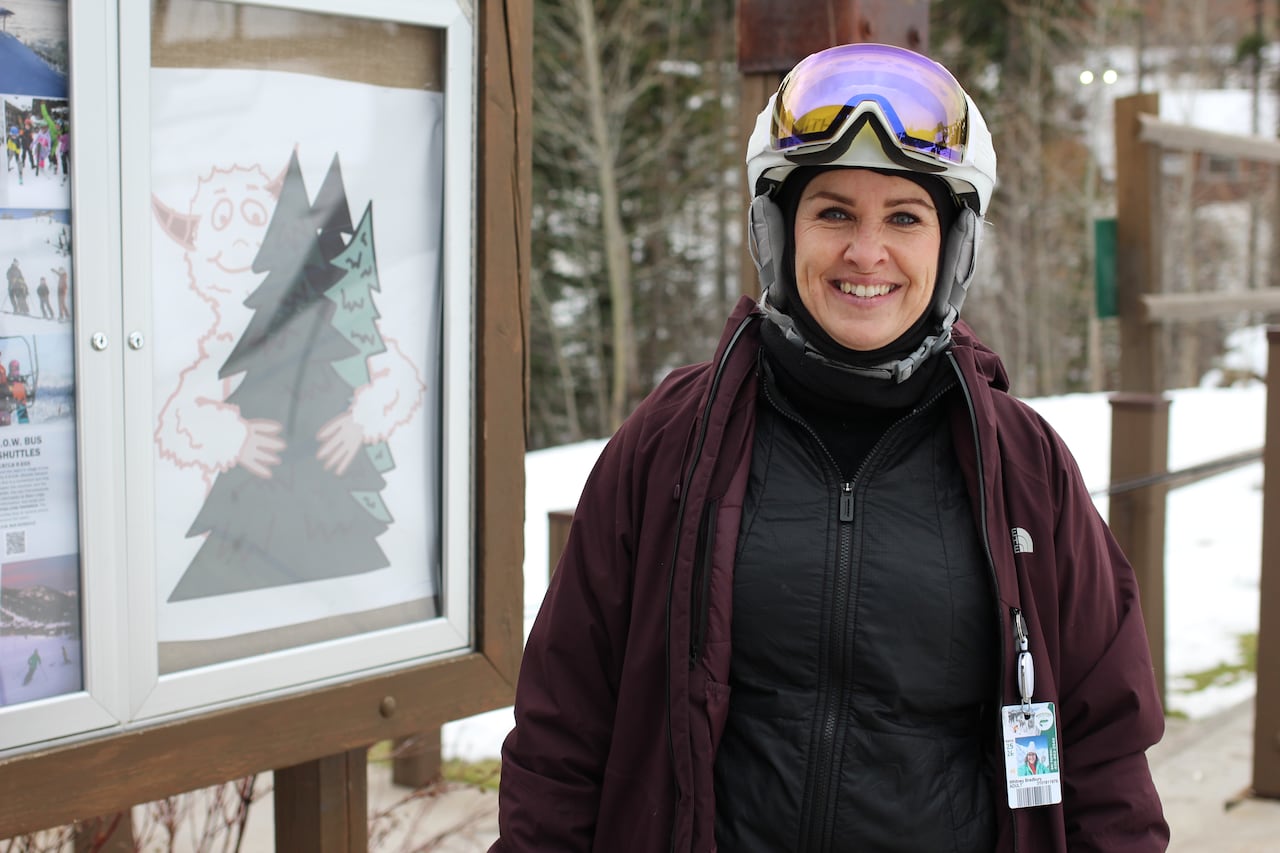 Whitney Bradbury says she loves chatting with Canadians when they visit, and when she travels to Alberta. (Paula Duhatschek/CBC)Softening attitudes?
There are signs that Canadians’ steadfast resolve to stay north of the border might be starting to flag. Tourism research firm Longwoods International released a recent report suggesting that while many still plan to avoid the U.S. for political reasons, feelings of indifference are starting to tick up.
“[The trend] is softening, but we’re not out of the woods yet,” said Longwoods president Amir Eylon.
In recent months, Alberta licence plates have started popping up around downtown Kalispell again, said Medler, with the local chamber. So far, though, she said the evidence is anecdotal and hasn’t been reflected in official spending data.
Ultimately, whether Canadians end up spending their holidays (and their dollars) in the ski towns of Montana might come down to weather.
For example, the Jay Peak resort in Vermont, near the border of Quebec, likely won’t have any problems attracting visitors this year thanks to an early season dump of snow, said Reitzell, with the NSAA.
“It’s all about the snow,” said Reitzell. “[If a resort] has great snow conditions, people are going to go.”