
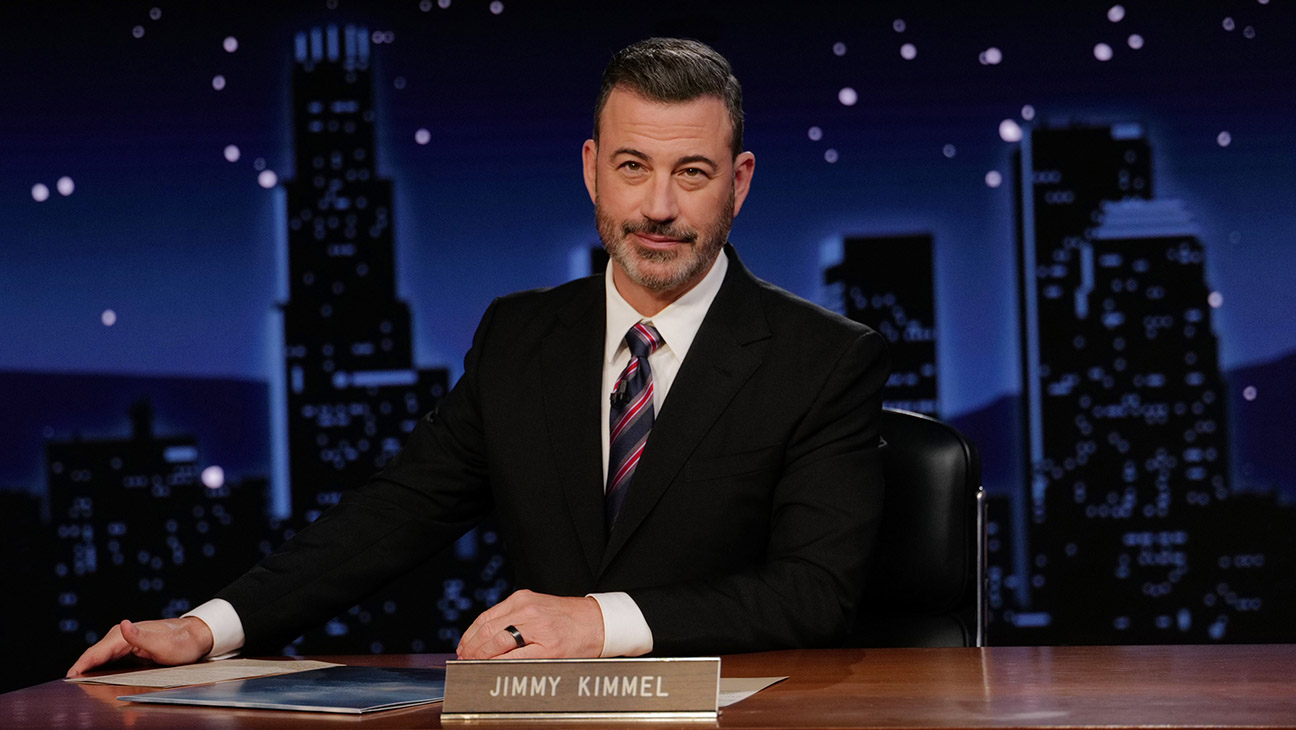
When ABC suspended late night host Jimmy Kimmel earlier this year, a local affiliate revolt was at the heart of the decision.
In a previously unreported FCC filing, Disney cites Kimmel’s preemption and his weeklong absence from network TV as proof that the current FCC rules governing the relationship between networks and affiliates “work as intended.”
To say the status quo between networks and their local station partners has become strained would be an understatement. Owners of local TV stations, including giants like Nexstar and Sinclair and smaller mom and pop station owners across the country have taken aim at their network partners, angry over ever-rising affiliation fees, and how entertainment companies like Disney and NBCUniversal have pursued streaming deals.
Now the FCC is taking action, with chairman Brendan Carr launching an inquiry into the network-affiliate relationships, suggesting that networks are “exerting undue influence or control” over affiliate stations in a way that undermines the “needs of their local communities.”
The Jimmy Kimmel preemptions were simply the most public example of that discontent, with Nexstar and Sinclair, two of the largest owners of local TV stations (including ABC stations in major markets like Washington D.C. and Seattle), warning Disney that they were going to preempt the show in the wake of the murder of Charlie Kirk, and outrage of comments Kimmel made in the aftermath. Disney executives held a call with affiliates to try and calm their nerves, before ultimately suspending him.
“Over the last 30 years, ABC affiliated stations have exercised their right to preempt programming and will continue to do so without FCC intervention,” Disney told the FCC in the Dec. 10 filing, citing preemptions of Kimmel, NYPD Blue, and Saving Private Ryan. “These and other examples make clear that the regime is working in compliance with the FCC’s rules and that no further regulatory intervention is warranted.”
Sinclair, it should be noted, privately told Erika Kirk that it would try and get an apology from Kimmel over his comments.
In filings over the last week, Disney, Paramount Skydance, NBCUniversal and Fox Corp. have made arguments (sometimes in apocalyptic terms) about how FCC intervention in the affiliate relationship, to quote NBCU’s filing, “may cause the demise of broadcasting.” Paramount argued that it would merely be “counterproductive,” while Fox argued that it would only “hurt the public interest.”
But the owners of local stations, in a joint filing from the Fox, CBS, ABC and NBC affiliate associations, argue to the FCC that “decisive action” is needed, and fast, “to recalibrate the lopsided Network-Affiliate dynamic in a fair manner.”
“That relationship is intended to be, and for many years was, a mutually beneficial one that served both the Networks, which benefitted from the national distribution system for their programming, and the Affiliates, which were the exclusive local distributors of sought-after and highly valued Network sports and entertainment programming,” the affiliate groups write in their filing. “The ultimate beneficiary of that balanced system was the American people, who received free, over-the-air access to both national sports and entertainment programming as well as local news and community-focused programming via their local television stations. Today, that once beneficial relationship is seriously out of balance.”
The state of network-affiliate relations, Kimmel, and other issues are sure to come up at a U.S. Senate FCC oversight hearing, which is slated to be held today. Carr is expected to testify, alongside fellow commissioners Olivia Trusty and Anna Gomez.
Of course, preemptions are relatively small potatoes in the grand scheme of things, despite all the headlines generated by Kimmel’s suspension. The biggest sticking points remain those contracts, the ever-escalating fees, and the rise of streaming platforms, some of which the major media companies own. And it comes with the backdrop of tech companies getting ever bigger,m and securing ever more advertising dollars.
Big Tech companies, it should be noted, were a target of both the affiliates and the networks in their FCC filings.
“Ultimately, the networks and affiliates reach mutually beneficial arrangements because it is in their best interests to do so. Together, we are the national broadcast television industry and we have never faced a more challenging competitive environment,” Fox told the FCC. “In addition to competing against hundreds of unregulated national networks provided by cable operators and DBS providers, we now compete for viewers, programming, and advertisers against streaming platforms backed by Big Tech giants Google, Amazon, and Netflix, as well as social media platforms, including TikTok and Instagram. Our connection to local communities, via network owned and operated local television stations and affiliated local television stations, is vital to our ability to compete in this environment.”
“Disrupting the network-affiliate relationship would jeopardize broadcast networks’ ability to secure this kind of marquee programming for the benefit of American consumers,” NBCUniversal wrote. “This disruption will steer premium sports and entertainment content away from broadcasting and towards platforms owned by Big Tech companies. In short, if the Commission puts its thumb on the scale in the broadcast-affiliate relationship as it proposes to do in the Public Notice, consumers will lose the ability to watch premium programming for free over-the-air altogether, resulting in fewer options and higher costs.
“The economics of the broadcast industry overall have become tougher in the current competitive landscape,” Paramount Skydance wrote. “Both networks and affiliates face higher costs due to unfettered competition from Big Tech platforms, increased program creation and acquisition costs, and changes in viewing habits. Increasing government intervention into the voluntary agreements reached between sophisticated private parties, particularly in these circumstances, would not serve the public interest, but rather threatens to undermine it, and potentially the network-affiliate model.”
But the local station owners argue that more “guardrails” are needed, disparaging the networks for moving much of their content (including some live sports) exclusively to their streaming platforms.
If the status quo continues, they argue, local news and programming will ultimately suffer.
“The math is simple. If unchecked Network practices continue to threaten local stations’ ability to serve the public, more local stations will be forced to scale back or eliminate the type of news and local programming that viewers expect and rely on in communities throughout the nation,” the affiliates argue.
Of course, increasingly the owners of local TV stations are not mom and pop shops, but rather large sophisticated companies like Nexstar (which is seeking to acquire Tegna) and Sinclair.
So will FCC intervention end broadcasting as we know it? Or is it necessary to keep the broadcast ecosystem alive? With warring existential takes, what Carr and his commission do is likely to be felt across the entertainment ecosystem, though as anyone who follows public policy knows, the regulatory devil is usually in the details.