
Vow of silence
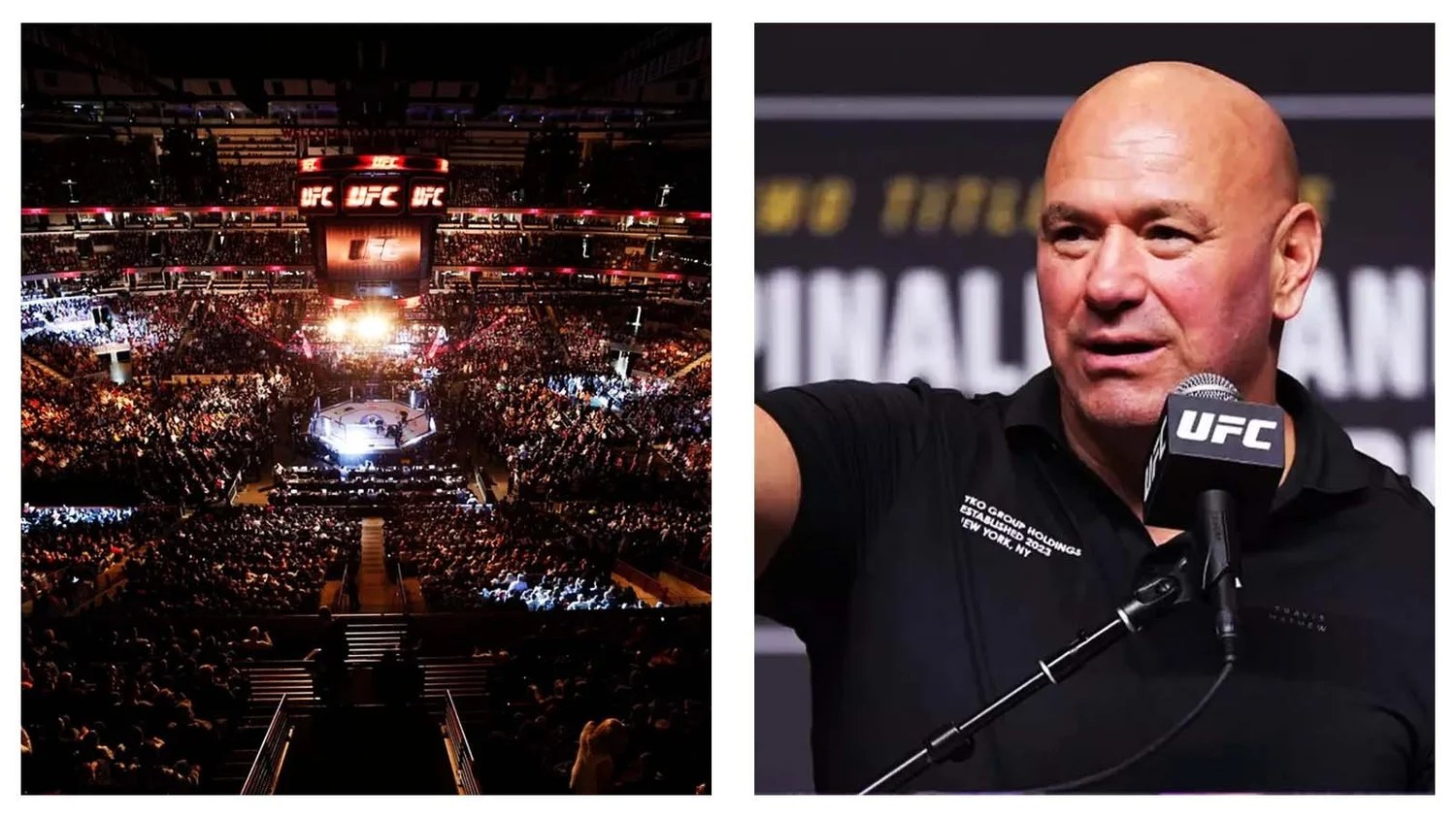
And it’s not just the media that’s taken this vow of silence.
On paper, fighters are the stars of the show but in reality, they are some of the most dispensable workers in professional sport.
Careers are fleeting, contracts can be cut short, and with no union its every fighter for themselves.
Speak out too loudly and you’re suddenly “difficult”, “hard to work with”, or worse, “not active enough”.
Title shots disappear as deals stall and the phone stops ringing.
Unlike athletes in the NFL or NBA, fighters can’t rely on collective bargaining or guaranteed contracts to protect them when they challenge the system.
In a sport that sells toughness above all else, silence is often framed as professionalism and for many, it’s the only way to stay employed.
Ultimately, if the UFC can continue to get away with this, then why should they change?
There is nothing to gain on their part by introducing contradictory voices in the sport.
The only instrument for change would be a major competitor gaining enough traction to challenge them.
Monopoly strengthened
Sadly, this looks increasingly unlikely as the merging of the second and third largest promotions, PFL and Bellator, seems to have only strengthened the UFC’s monopoly.
There’s no denying that the current model is working for the UFC.
They’ve grown faster and more efficiently than almost any sports organisation in modern history.
But that efficiency comes with a cost.
When one company controls everything, debate becomes theatre rather than actual scrutiny.
As MMA pushes further into the mainstream, the question isn’t whether the UFC can keep telling its own story, it’s whether the sport can afford for it to be the only one that’s heard.
READ NEXT: Alexander Volkanovski reacts as controversial Diego Lopes rematch confirmed for UFC 325