
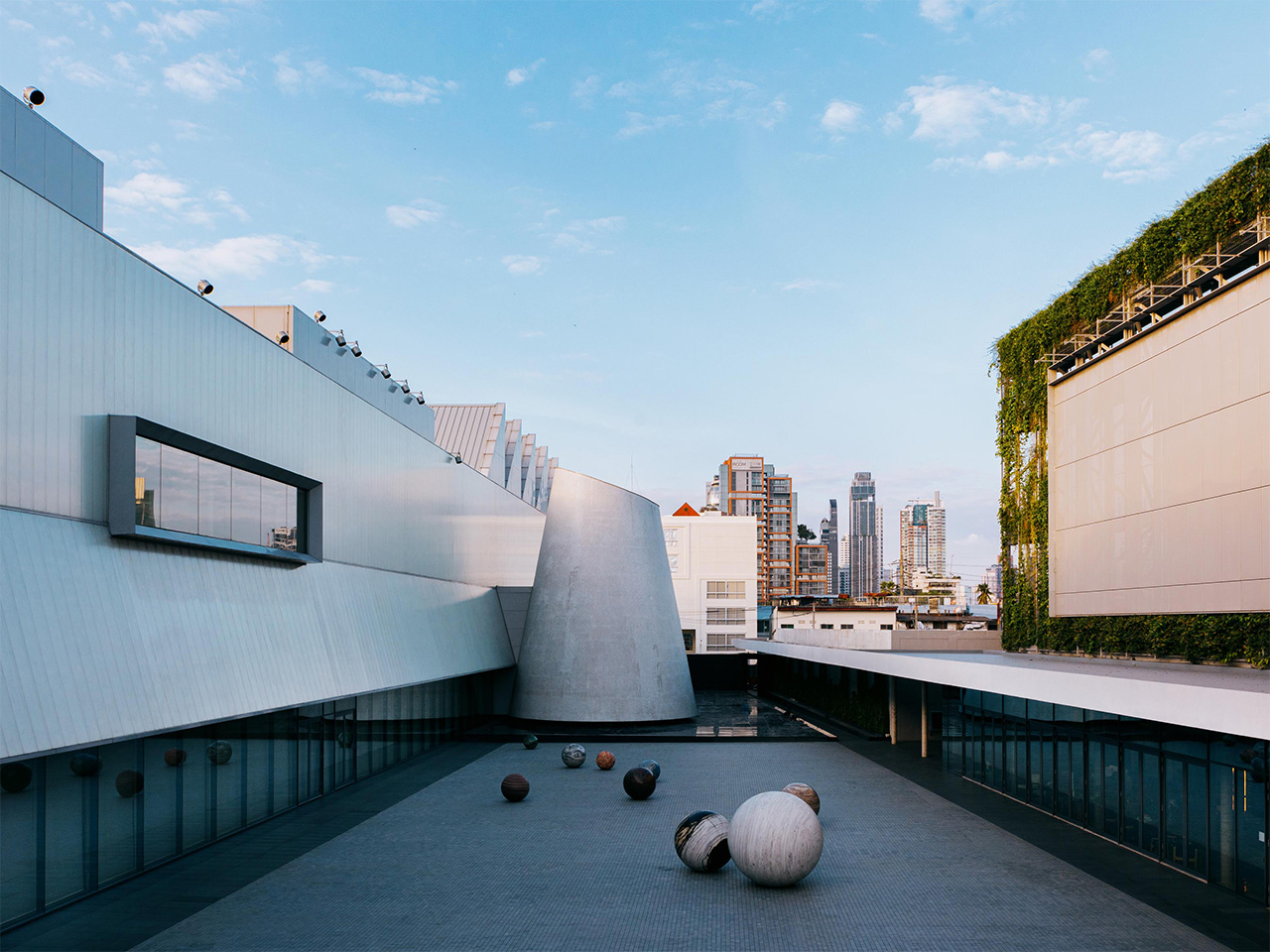
Bangkok feels as though it’s at the centre of the Asian art world right now and the buzz around the Thai capital is reaching fever pitch. Dib Bangkok, an almost mythical contemporary-art museum that has been talked about for 30 years, finally opens this weekend in a former steel warehouse near the port area of the city.
Dib Bangkok is easily the most anticipated art institution to open in Asia since M+ in Hong Kong at the start of the decade and the timing could not be better. Several major privately funded museums have opened in Thailand in the past two years, with more to follow in 2026, but Dib Bangkok’s collection and global ambitions make it the pick of the bunch. “Bangkok has never had this kind of institution that collects, conserves, restores, educates and tells the stories of contemporary art,” says the museum’s chairman, Purat “Chang” Osathanugrah, while chatting to Monocle during an exclusive tour.
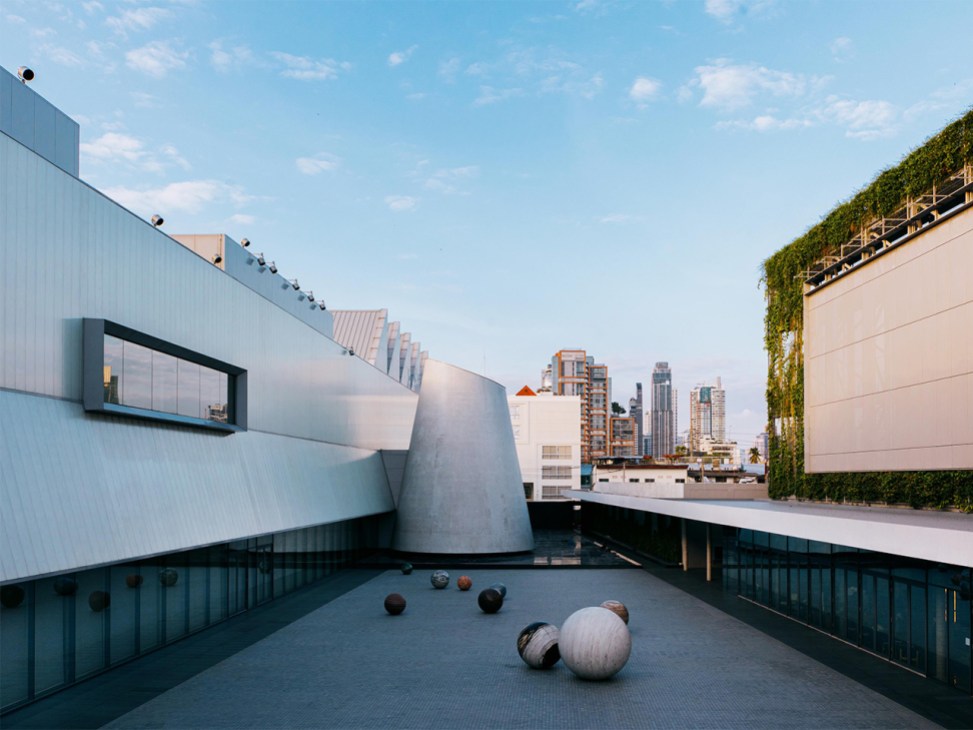 Open-air courtyard featuring Alicja Kwade’s “Pars pro Toto” sculpture and the exterior of The Chapel
Dib (which translates to “raw” or “authentic” in Thai) was created from the vision of Chang’s late father, Petch Osathanugrah. The larger-than-life Thai art collector, singer and heir to a wealthy energy-drink fortune spent nearly 40 years amassing an impressive collection of more than 1,000 works from around the world – and almost as long talking about building a museum to exhibit them.
Early acquisitions include a 1980s blueprint for a James Turrell installation that has finally been constructed, as well as masterpieces by Thai artists that haven’t been on public display for decades. “My dad has been going on about wanting to build an art museum my whole life and it shaped my understanding of culture and art,” says Chang. “I’m just really happy to have had the privilege of carrying the torch over the finishing line.”
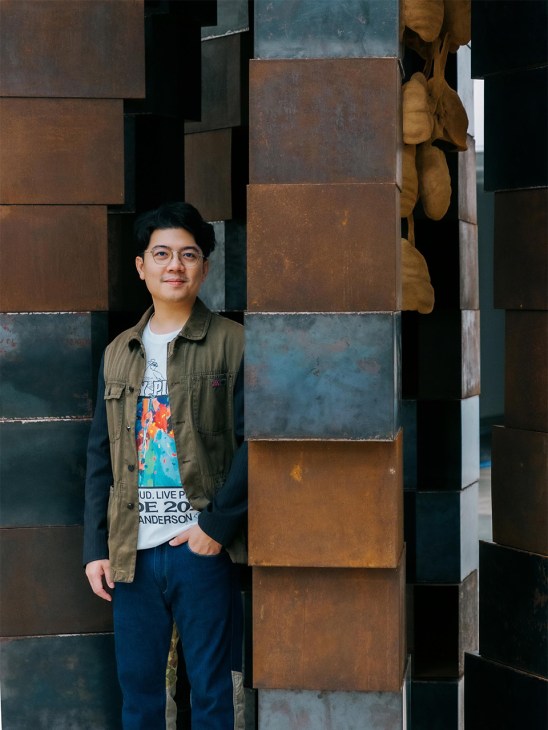 Dib Bangkok’s chairman Purat “Chang” Osathanugrah
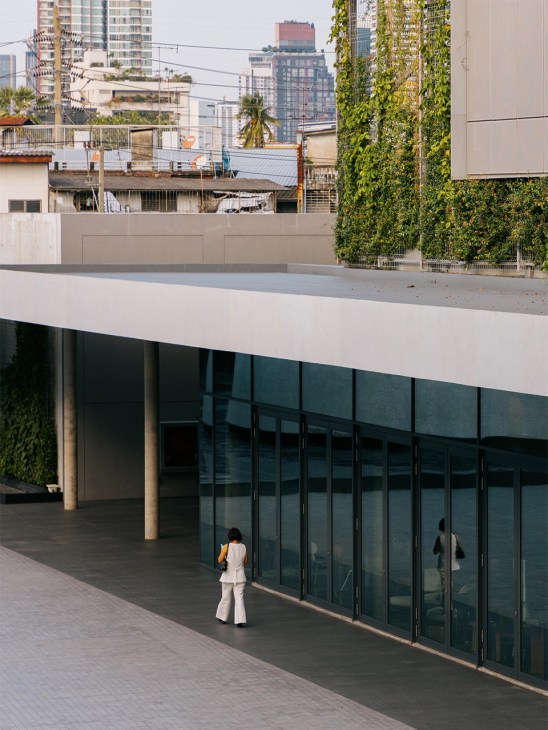 The museum’s café and bar will remain open until midnight
We are having coffee inside the museum’s café and bar, which enjoys a view of the courtyard and the three-storey gallery opposite. Saturday’s opening party will attract a who’s who of Asia’s cultural scene and the 32-year-old host is in good spirits – the bar’s liquor license has just come through. In the ground-floor courtyard, Alicja Kwade’s “Pars pro Toto” sculpture – a series of spherical natural stones that call to mind a mini solar system – is in position, readying to steal attention from the Turell, one of the institution’s only permanent installations. The superstar US artist and the Polish sculptor will also share the space with a piece by Pinaree Sanpitak. Petch has supported Sanpitak – one of Thailand’s most famous living artists – from early in her career.
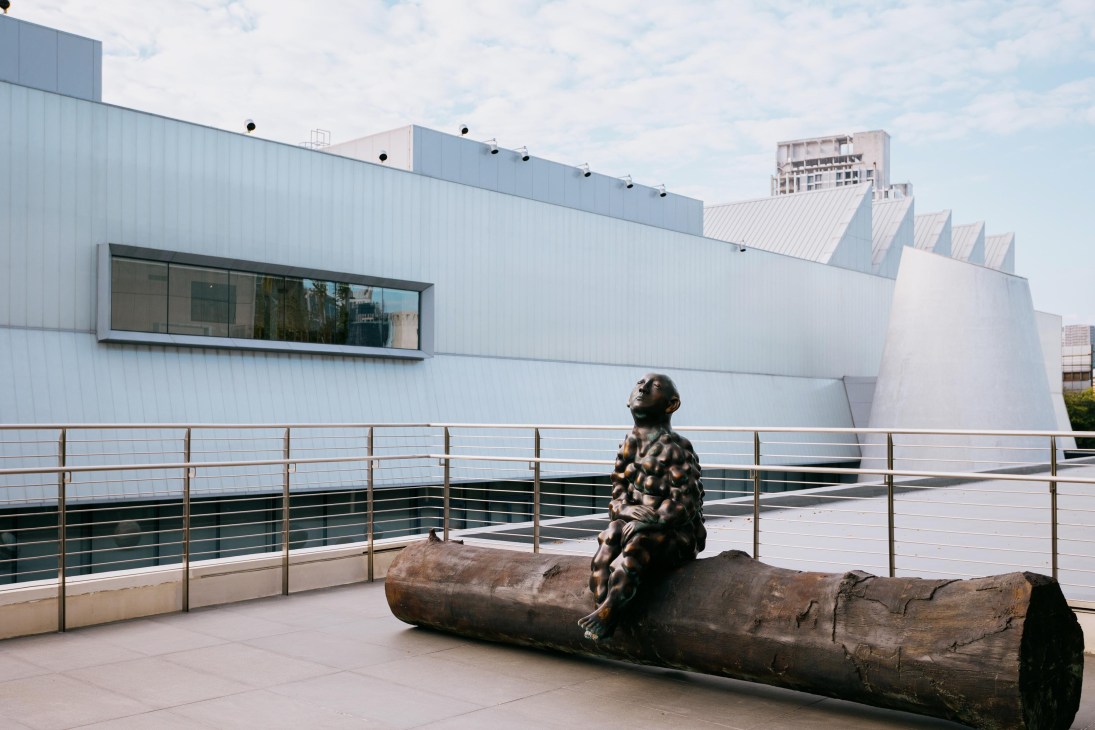 Paloma Varga Weisz’s “Bumpman on a tree trunk”
Dib Bangkok’s mission is to showcase major international artists and Thai creatives on the same level. The opening exhibition (In)visible Presence will bring together 81 works by 40 contemporary artists, including South Korean Lee Bul’s “Willing To Be Vulnerable”: a shiny silver zeppelin hanging from the ceiling. A collection of large stainless-steel eggs in Subodh Gupta’s “Incubate” sculpture have been specially re-engineered to fit into The Chapel: a cone-shaped, acoustically-engineered gallery that, from the outside, resembles the cooling tower of a power station. The space was added onto the building to break up the long façade and provide a venue for sound-based installations and musical performances.
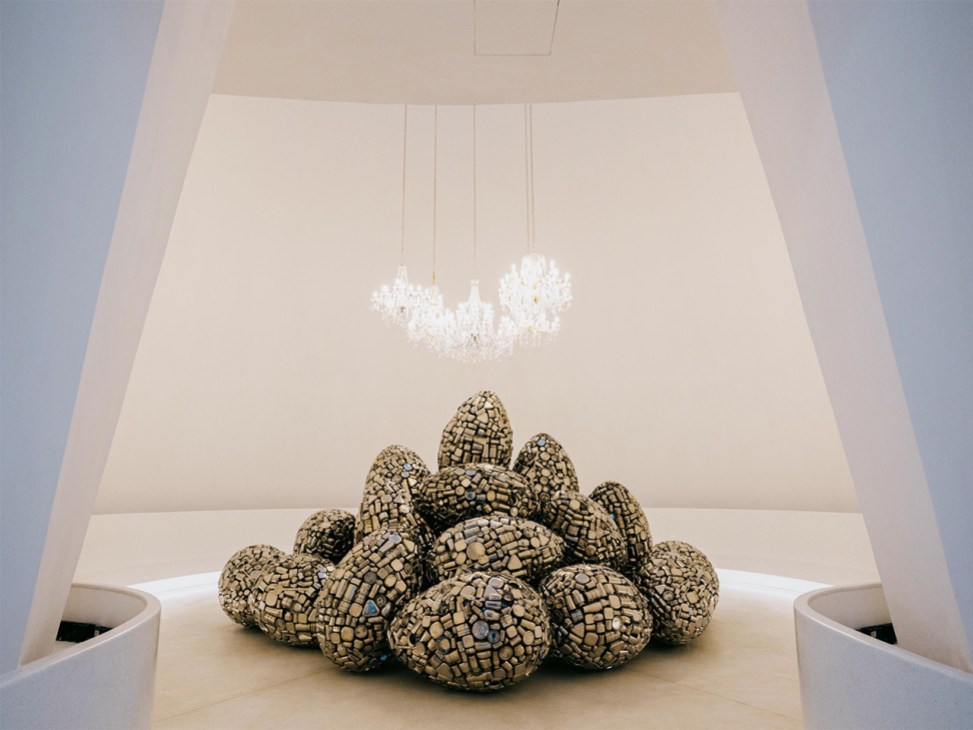 “Incubate” by Subodh Gupta on display inside The Chapel
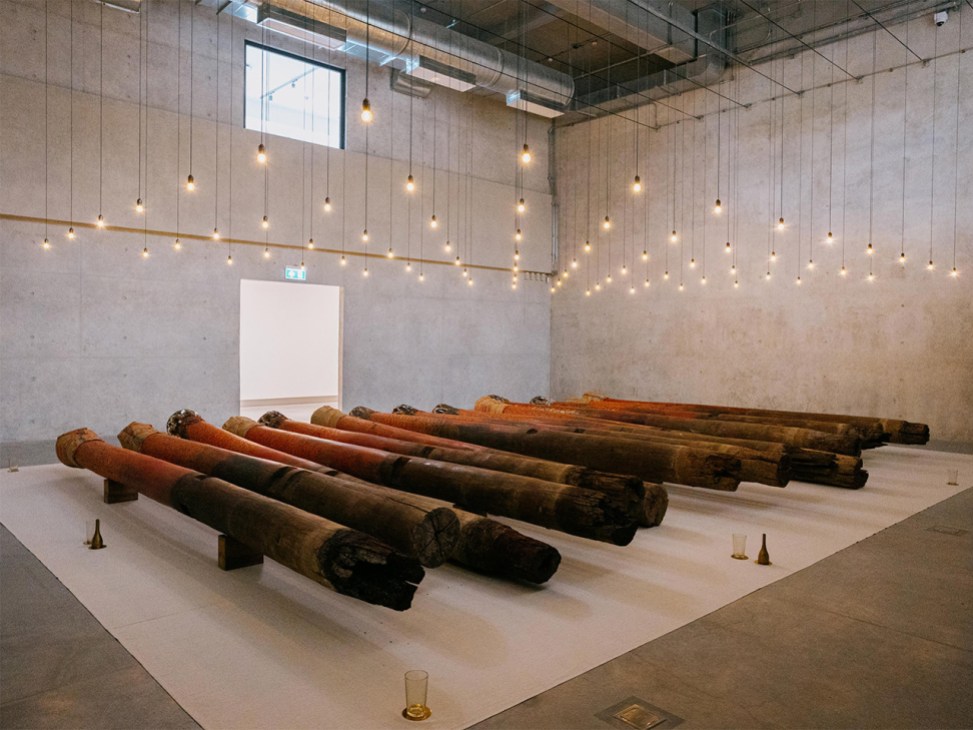 Somboon Hormtientong’s “The Unheard Voice”
During Monocle’s visit, Thai artist Surasi Kusolwong was overseeing the assembly of his artwork “Emotional Machine”: a hollowed-out Volkswagen Beetle hung upside down like a swing. Other standout pieces include Navin Rawanchaikul’s “There is No Voice” and Somboon Hormtientong’s “The Unheard Voice”. Hormtientong’s installation features 14 ornately decorated Buddhist temple pillars, salvaged from northern Thailand, displayed horizontally in a darkened room like oversized matchsticks. “This is the only place where you can see masterpieces by contemporary Thai artists in equal conversation with global creatives,” says Miwako Tezuka, director of Dib Bangkok. “There are so many artists and veteran art professionals in Thailand. Bangkok might not have all of the infrastructure yet but the talent is here.”
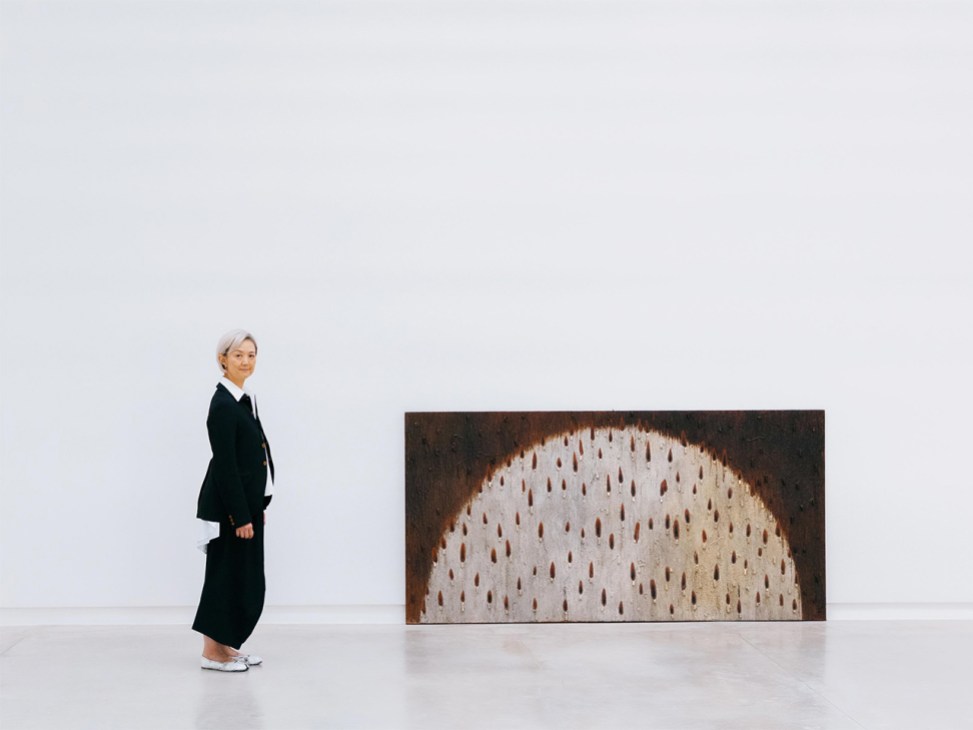 Dib Bangkok director Miwako Tezuka next to “Full Moon” by Montien Boonma
For the first few years, Dib Bangkok will exhibit works from its collection alongside new commissions and collaborations, with each show spotlighting one or two artists. (In)visible Presence gives top billing to the late, great Montien Boonma – a Bangkok-born artist who features heavily in the museum’s holdings. One of Boonma’s most iconic works, “Lotus Sound”, is among several deeply spiritual pieces on display that respond to his wife’s cancer diagnosis before the disease also took his life in 2000. Though the subject matter is dark, Boonma’s sculptures on the third floor, illuminated by the sunlight coming through the roof and sawtooth windows, allow visitors to end the fortifying show with a powerful demonstration of human devotion and leave with a newfound appreciation for a giant of Asian contemporary art.
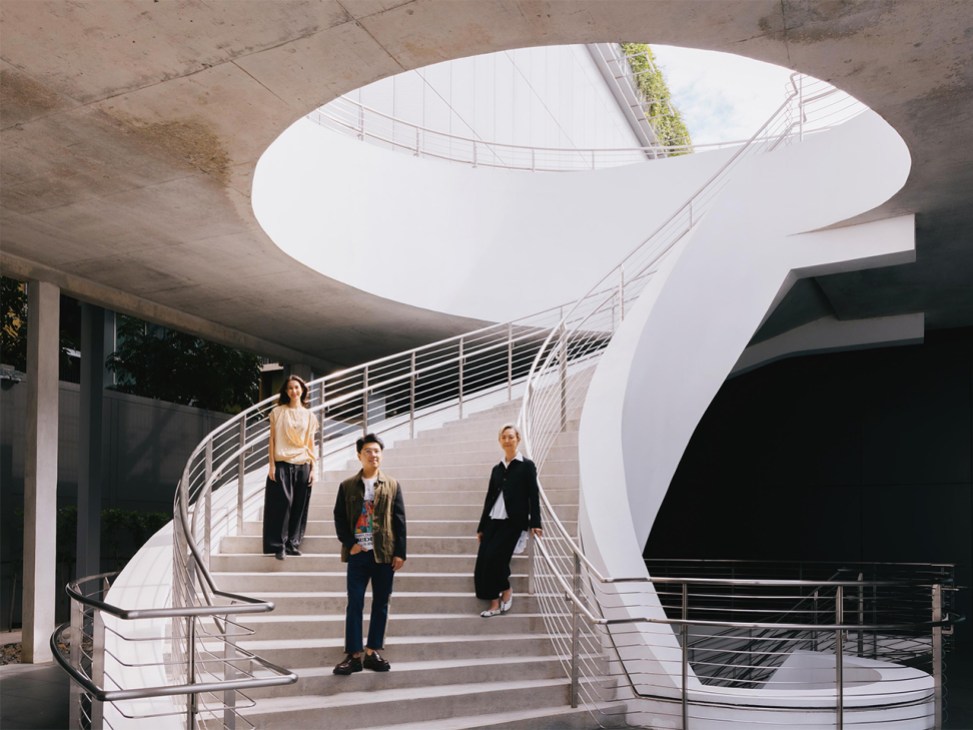
There’s a spiritual thread running through much of the collection and getting the museum to this point has required another act of faith. Petch commissioned at least six major architects over the years before changing his mind each time. An earlier iteration of the institution broke ground at a different site before being scrapped. The final museum was designed by LA-based Thai architect Kulapat Yantrasast, whose previous commissions include work for the Metropolitan Museum of Art and the Louvre. It is located in an area of the city where the Osathanugrah’s have lived for three generations: a “five-minute jog” from the family home and a stone’s throw from the original campus of Bangkok University, a philanthropic family venture dating back to the 1960s.
“Petch didn’t want this to be a fancy building,” says Yantrasast, who describes the existing structure as a generic warehouse. “He didn’t want architecture that tries to be art.” Yantrasast’s main intervention, besides adding a third floor, was to turn the industrial building into an enclosed compound with a central open-air courtyard that could provide space for outdoor performances. “The site is the museum, not the building,” he says. “Art today is not just about things on walls and we want to lead the way by representing this kind of inclusion.”
The feeling of entering a temple-like sanctuary in the middle of the city is heightened by the tranquil pool of water – a nod to Bangkok’s many canals – that sits alongside The Chapel. Yantrasast says the courtyard is one of the most beautiful things that he has ever designed. Chang calls it his favourite spot. “This eclectic city has such a raw energy to it, from its energetic street vendors to the tuk-tuks, its crazy night life and shopping malls,” he says. “But set against this backdrop of chaotic charm, you will also see beautiful Buddhist temples for introspection and slowing down. We need more of these sanctuaries, not another monument to commerce.”
 Left to right: Curator Ariana Chaivaranon, chairman Chang Osathanugrah and director Miwako Tezuka
Before Chang took over the project in 2023, his day job was managing the family’s investments and earning the necessary funds to support their cultural endeavours. “I inherited a collection but I had to build the institution, the team and the museum itself,” he says. Dib Bangkok has become his life’s calling but there is little talk of personal legacy. “It’s a private dream but a public mission,” says Chang, who hopes that the museum will outgrow its ties to the Osathanugrah name.
A big part of that mission now is for Bangkokians to develop the same sense of ownership for Dib Bangkok that New Yorkers have for the Museum of Modern Art (Moma), by keeping the collection relevant and making it accessible to a wider audience. “No one remembers that the Rockefellers co-founded Moma,” he says, recalling a discussion with his father about what to name the museum and an early idea to call Dib Bangkok the O Museum. “We were having sashimi at the time and I said to him, ‘We’re like this fish – it’s raw but it’s so good. You don’t have to do anything to it.’”
To balance Petch’s focus on paintings and sculptures, Chang and Tezuka are focusing on younger artists and time-based video works. Some recent acquisitions are included in the opening show, most noticeably Jinjoon Lee’s “Daejeon, Summer of 2023”, which incorporates artificial intelligence, projection and a vinyl turntable. Artworks such as these are a deliberate attempt to draw new audiences in. Chang describes Dib Bangkok’s vast collection as an ocean and there are many ways to enjoy the water. Experts can go on deep dives while the curious can dip a toe in. “I fell in love with contemporary art through our collection. Now my mission is to get those people waiting on the water’s edge to want to go for a swim.”
Read next: “Why I’m betting on Bangkok for the future of contemporary art”