
We may receive a commission on purchases made from links.
Crispy snacks tip-tap across the globe, merrily tossing a vast array of flavors and textures into afternoon nibbles and evening treats. Sometimes those crunchy delights even carry subtle ties to local culture, ingredients, and nuanced doses of history. That’s definitely the case with the multi-faceted Benne wafers, a deeply significant sweet-and-savory treat from the American South, specifically the Lowcountry region. They’re ultra-thin and crunchy sesame wafers originating in Charleston, South Carolina, where they’ve been a symbol of good fortune for generations.
Benne wafers are traditionally made with benne, an heirloom variety of sesame seed cultivated by Gullah Geechie communities of the Lowcountry. The seeds made their way to the Carolina Sea Islands in the early 1700s via the transatlantic slave trade. Today, benne-seed wafers are beloved snacks perching proudly in Charleston’s markets, bakeries, and gift shops, where they’re considered a signature South Carolina treat. To the uninitiated, it’s hard to describe the joy of eating the extremely crispy, super-thin wafer, which tends to “shatter” over the taste buds with tingly sweetness.
The sesame-benne seeds get toasted, bringing out deep, nutty undertones that balance the buttery, brown-sugar sweetness. Some versions add pure maple syrup or vanilla to deepen the flavor, while others brighten things up with a splash of lemon juice. But make no mistake: The star power of these wispy circles of tastiness lies in the toasted benne itself. It’s especially memorable considering the historically long road the seeds have taken from plantations to mainstream phenomenon.
Read more: 16 American Candies You Can Only Get In Certain Regions
Eating benne, then and now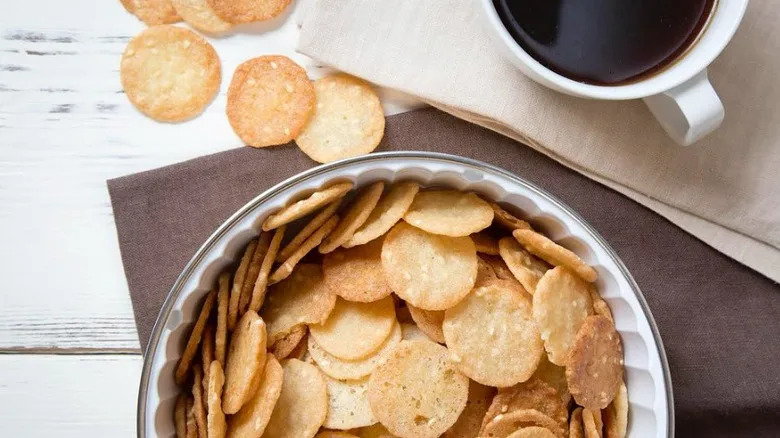
Benne wafers in a tin, beside it some loose wafers and a cup of coffee – Olde Colony Bakery/Instagram
Crispy Benne wafers have become so ingrained in Carolina’s snack-food culture that it’s easy to forget the benne seeds were once secretly planted for sustenance — but that was a reality for enslaved Africans on Southern plantations. After carrying the seeds to the Carolinas in the early 1700s, they grew them in their own garden plots on Lowcountry plantations. The benne added protein to meager diets, with the seeds and oils flavoring rice dishes, soups, and grains. Ground benne flour provided biscuits and breads, and thickened gravies and porridge.
The seeds eventually earned merit in wider Carolina communities, giving rise to the beloved Benne wafers. Today, those wafers are one of South Carolina’s most recognizable regional sweets, considered a signature dessert. They’re sold widely in shops like Olde Colony Bakery, which ships thousands of pounds of wafers across the country every week. Along with Amazon, bakeries like that are the most likely places for ordering Benne wafers online.
After procuring these crispy delights, many happy recipients enjoy them on their own as a light snack — but they also work well on cheese and charcuterie boards, where the nutty sweetness pairs well with salty cheeses and cured meats. Consider pairing them with afternoon tea, crumbling over ice cream, or creating a crunchy topping for fresh fruit. Dive deeper into Southern culture with seven obscure Southern snacks, and check out these 16 creative ways to use sesame seeds.
Want more food knowledge? Sign up to our free newsletter where we’re helping thousands of foodies, like you, become culinary masters, one email at a time. You can also add us as a preferred search source on Google.
Read the original article on Tasting Table.