
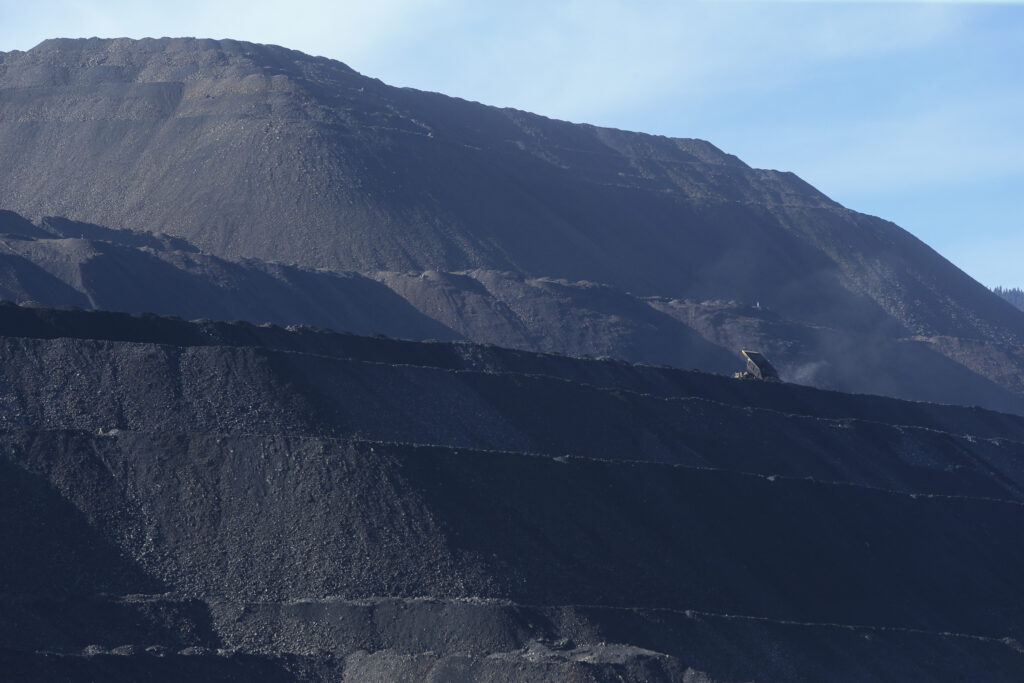
Alberta government scientists have produced several studies about pollution from coal mining in the Rockies in recent years, raising questions from a B.C. conservation group about a lack of similar research from the B.C. government.
“The best research is coming out of Alberta,” Simon Wiebe, the mining impacts and policy lead for Kootenay-based conservation group Wildsight, said in an interview. “B.C. is lagging way behind.”
Research from aquatic scientist Colin Cooke, who works for Alberta Environment and Protected Areas, and his co-authors found historic coal mines in the Crowsnest Pass continue to pollute nearby waterways decades after closing, as well as concerning selenium concentrations in fish from Crowsnest Lake. He found snowpacks have been contaminated by windblown pollution from coal mines in southeast B.C. And more recently, he found selenium contamination downstream of three coal mines in the McLeod River watershed exceeded guidelines even after the mines had been partially, and in at least one case almost entirely reclaimed.
“This is a warning bell,” Wiebe said of the McLeod River watershed study. “It should be extremely concerning for everybody who has any interest in making the world a decent place for future generations,” he said.
It also raised questions for him, such as, “What’s going on in B.C.? Why aren’t we doing our own research?”
Coal mining is big business in B.C., employing thousands of people and contributing tens of millions in dollars to government coffers at all levels. But there are also long-standing concerns about environmental impacts from coal mining, including extensive water contamination — now the subject of an international inquiry.
In response to questions from The Narwhal, a spokesperson for B.C.’s Ministry of Environment and Climate Change Strategy said, “The Elk River watershed is one of the most intensively monitored and studied watersheds in British Columbia, with detailed programs to detect and assess impacts from coal mining and other development.”
But that isn’t leading to peer-reviewed studies from government scientists. The spokesperson confirmed: “We do not produce publications for peer-reviewed journals.”
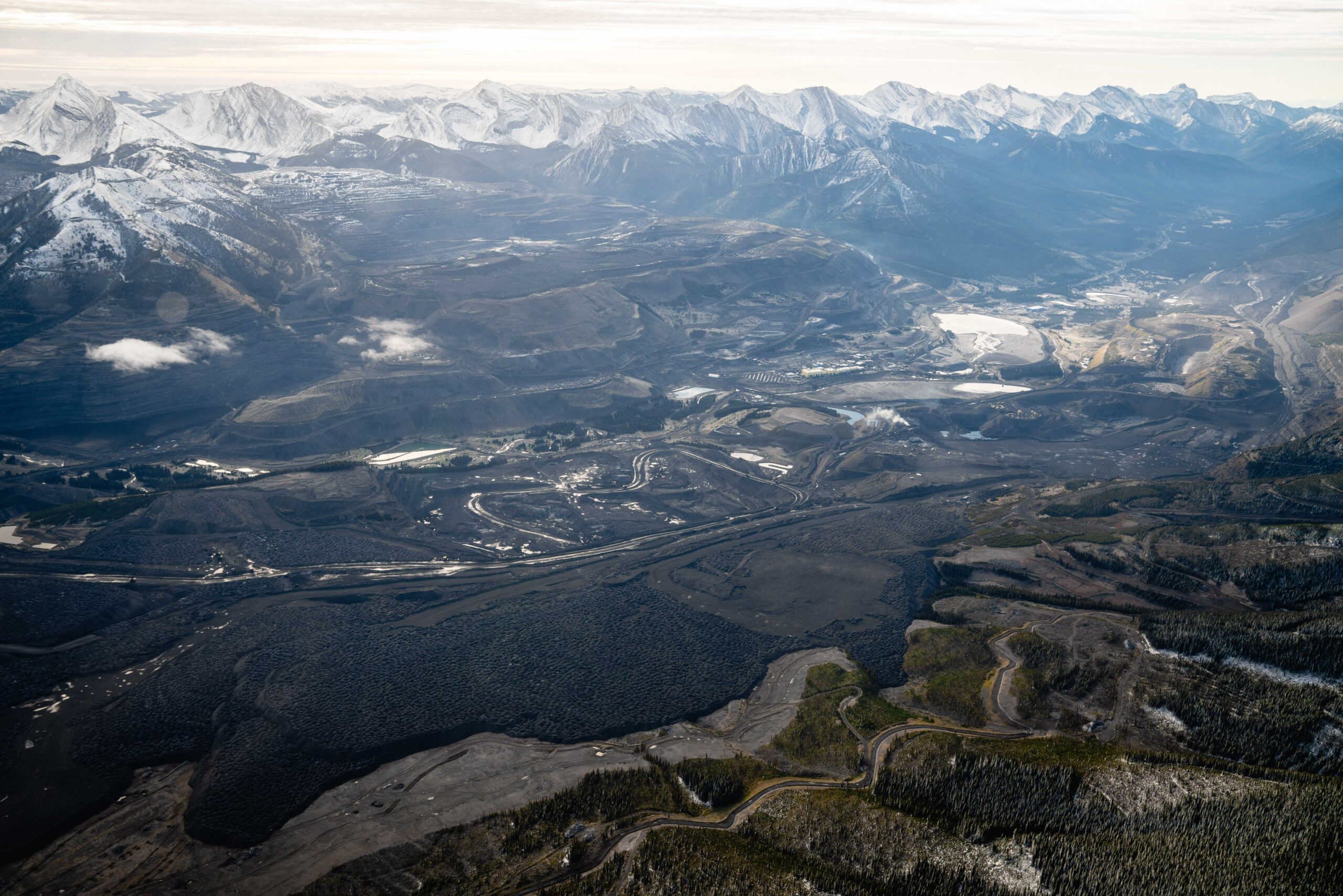 Water pollution from coal mines in southeast B.C. flows through the Elk Valley and into Montana and Idaho. Photo: Callum Gunn
That’s a concern for Wiebe, who said independent, peer-reviewed studies like those produced by Cooke and his colleagues are “the gold standard, as they have no financial incentive to keep the status quo.”
“All the independent research points to the same conclusion: coal mining produces huge environmental debts that will last for generations,” he said.
In the Elk Valley, leftover waste rock piles up as mountain tops are stripped to extract coal, and when those piles of rock are exposed to rain and snowmelt, naturally occurring contaminants like selenium leach into the water far more quickly than they would had no mining occurred.
“When you take down a mountain, you end up really accelerating the natural weather processes of that rock,” Wiebe explained. “It causes a big problem.”
While all living things need selenium to live, too much of it can be toxic. For fish, its effect on reproduction is one of its most insidious threats. It can lead to deformities — curved spines, misshapen skulls, abnormal gills — and, in a worst-case scenario, reproductive collapse.
B.C. offers a ‘version of transparency’ but it’s ‘still not that useful’: scientist
The spokesperson for B.C.’s Environment Ministry pointed The Narwhal to multiple sources of monitoring data and company monitoring reports and noted the Ministry of Water, Land and Resource Stewardship is studying high elevation grasslands, including impacts from coal mining, which will lead to future publications.
The statement noted surface water is monitored at roughly 130 sites and that data is publicly available, as is water quality compliance and trend information. Groundwater is also monitored in more than 130 wells and there are extensive biological and aquatic effects monitoring programs underway, the spokesperson said.
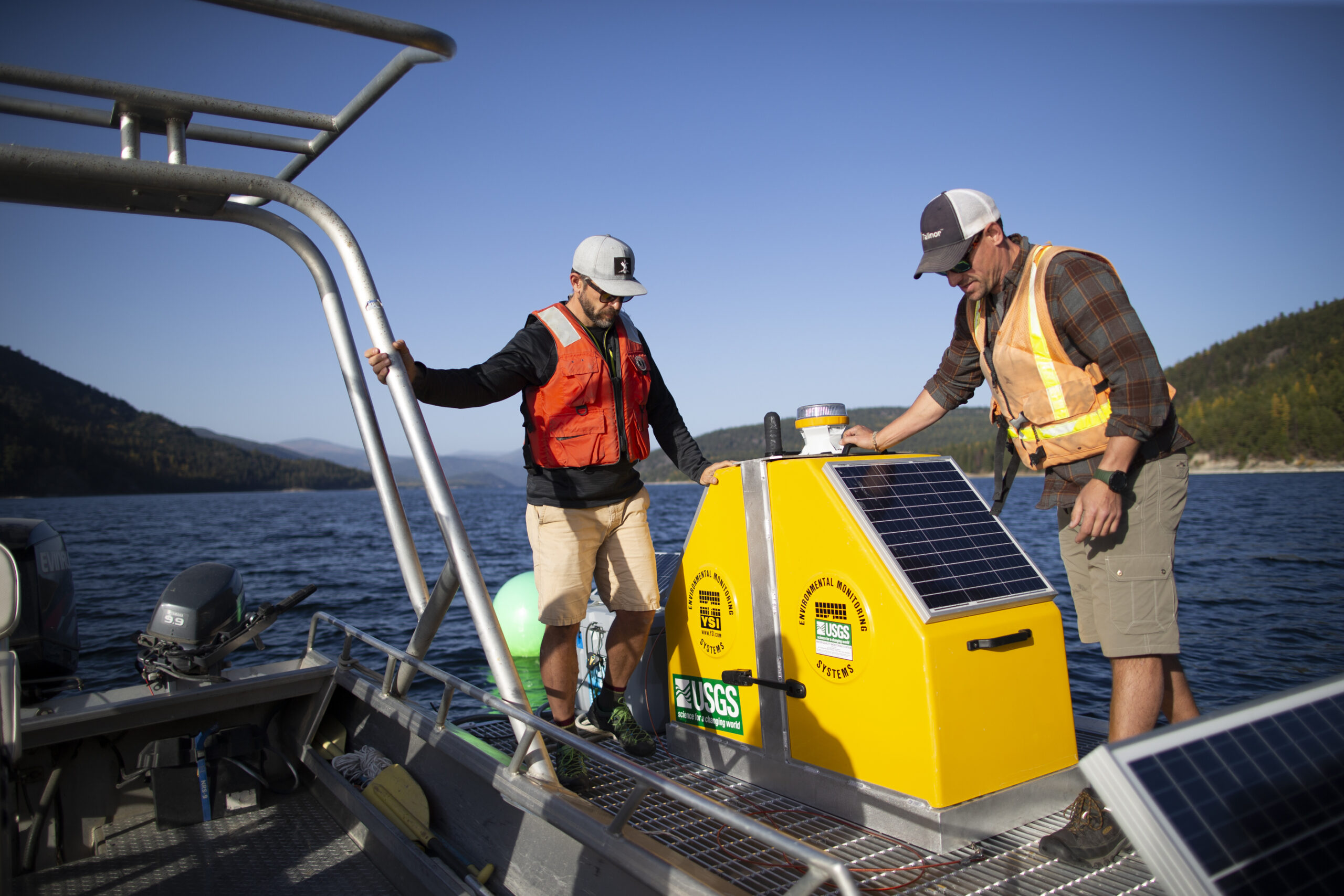 While U.S. government scientists have published peer-reviewed studies about pollution from B.C. coal mines in waterways across the border, the B.C. government has not. Photo: Jesse Winter / The Narwhal
Elk Valley Resources, which owns the four steel-making coal mines in southeast B.C., is required by the province to run more than 25 studies and monitoring programs in the Elk Valley, the statement added. And required reports on water quality, aquatic effects and fish population monitoring reports are available on the Elk Valley Resources website.
The spokesperson noted these reports must be completed by qualified professionals, and designs and drafts are reviewed by an environmental monitoring committee composed of scientists and technical experts from the B.C. government, Ktunaxa Nation Council and an independent scientist.
Bill Donahue, a freshwater scientist and a former head of environmental monitoring for the Alberta government, said B.C. has “a version of transparency and data availability that isn’t available in a lot of other provinces, but it’s still not that useful.”
It doesn’t appear, for example, that you can batch download selenium data for a period of time across an entire region all at once, he noted.
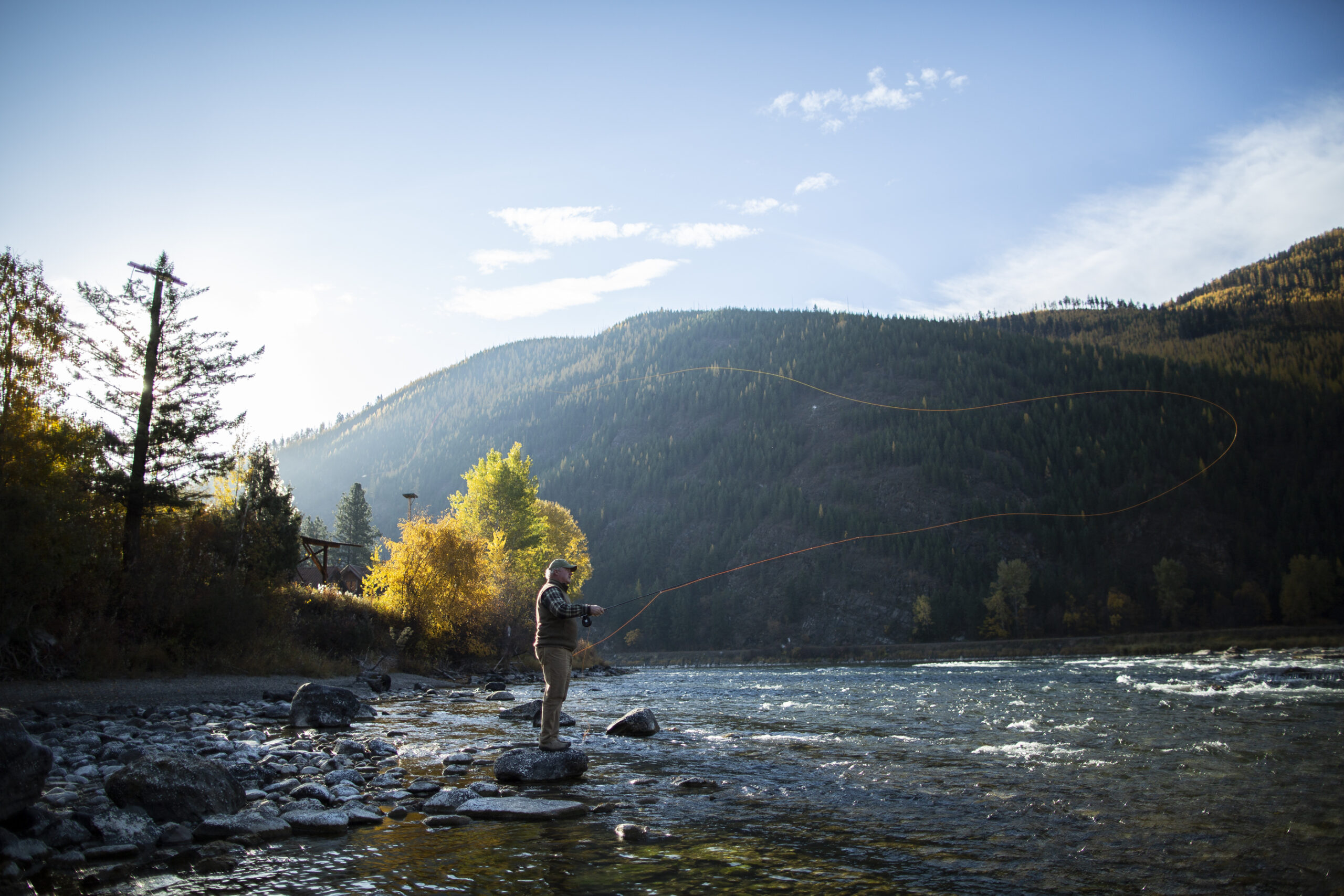 In Montana, as in B.C., there are concerns about the risks to fish and other wildlife from contaminants that flow downstream from coal mines in southeast British Columbia. Photo: Jesse Winter / The Narwhal
He also raised concerns about the conflict of interest when industry is responsible for doing environmental monitoring and reporting. And while companies may be required to retain “qualified professionals,” he said the quality of work to meet regulatory standards is typically lower than what’s required for peer-reviewed scientific studies.
There’s also more transparency in peer-reviewed studies, he said. For one thing, it’s clear who did the work. Studies published in reputable journals are also reviewed by other independent scientists with relevant expertise who are not involved in the research, he noted.
The monitoring reports available from Elk Valley Resources, some of which are hundreds or thousands of pages long, are also not easily comprehensible to the public, he added.
Donahue noted the abstract, introduction and conclusions of scientific studies typically offer a big-picture takeaway. “You don’t tend to see that in these big regulatory reports,” he said.
Wiebe credited B.C. with working to hold Elk Valley Resources and the mines’ previous owner Teck Resources accountable for water pollution with some measure of success, but said, “it is clear much more needs to be done.”
Meanwhile, scientific research is being produced in neighbouring Alberta, but there are concerns the government is muzzling scientists and stalling the release of studies. Internal emails and records obtained by The Narwhal through a freedom of information request show senior government officials delayed the submission of Cooke’s McLeod River watershed study for four months after it was complete and seemingly prevented him from participating in at least two media interviews or speaking about his research to a community group. In a statement to The Narwhal, Ryan Fournier, press secretary to Environment and Protected Areas Minister Rebecca Schulz, said the Alberta government takes the issue very seriously, noting internal reviews before publication “are standard practice and necessary.”
In a previous interview, Donahue, a co-author on the McLeod River study, raised concerns Alberta had viewed monitoring as a box-checking exercise.
“The only thing that’s really of use publicly is an expert analysis of monitoring data and then an interpretation in a way that is comprehensible to the public,” he said.