
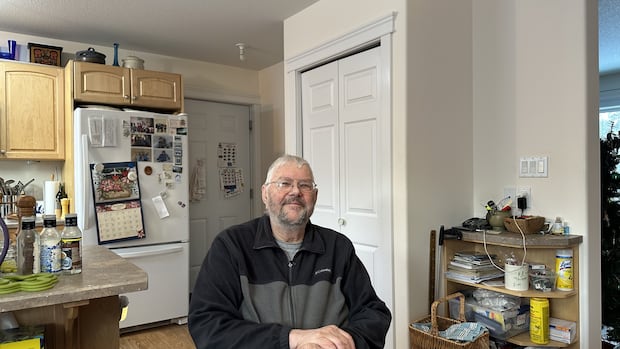
Don Cheeseman spent most of his life lecturing and teaching.
Now, the retired electrical engineer can be found writing, cooking and tending to his garden at his home in Whitehorse’s Porter Creek neighbourhood, where he has lived since 2015.
Recently, his regular pastimes have become more challenging, even frustrating at times. Cheeseman lives with a mild cognitive impairment, a precursor to dementia.
“I have definitely shrunk back into myself,” he said. “My biggest problem I would say is that socializing is way lower than I would like it to be…. My attention span is very short and I’m impatient with people, including myself and my wife, which doesn’t do any good in any case at all.”
Cheeseman’s path to a diagnosis was a unique one. Instead of getting diagnosed by his family doctor, he received a postcard from the University of British Columbia, inviting him to take part in a study about dementia and cognitive decline.
Through that study, 86-year-old Cheeseman learned he had a mild cognitive impairment. If it hadn’t been for that postcard, Cheeseman says, he doesn’t think he would have received a diagnosis.
“I’m functioning, so I probably just would have been a grouchy old man and nobody would have caught it.” he said.
President of the Yukon Medical Association, Dr. Derek Bryant, says getting a dementia diagnosis in the territory is challenging because about 22 per cent of Yukoners don’t have a family physician.
“For those without access, it could be quite difficult to get a diagnosis,” he said.
As the Yukon population ages, age-related health concerns, including dementia, are expected to rise. Doctors say the territory needs a geriatric health service where family and emergency physicians can refer patients to physicians with specialized training in senior care, including providing dementia diagnoses.
‘We never used to have an aging population’
Dr. Christine Miller is a care of the elderly doctor who practices as a family physician. She says in the last 10 years, the number of seniors in the Yukon has increased dramatically.
“We never used to have an aging population. It used to be 60 to 65 and you’d be retiring south and that was just sort of a deal of living up here,” she said.
“So traditionally we never had an older population that would require specialized services, but we’re currently sitting right now around — I think it’s 7,500 seniors over the ages of 65, which is around 15 per cent of our population.”
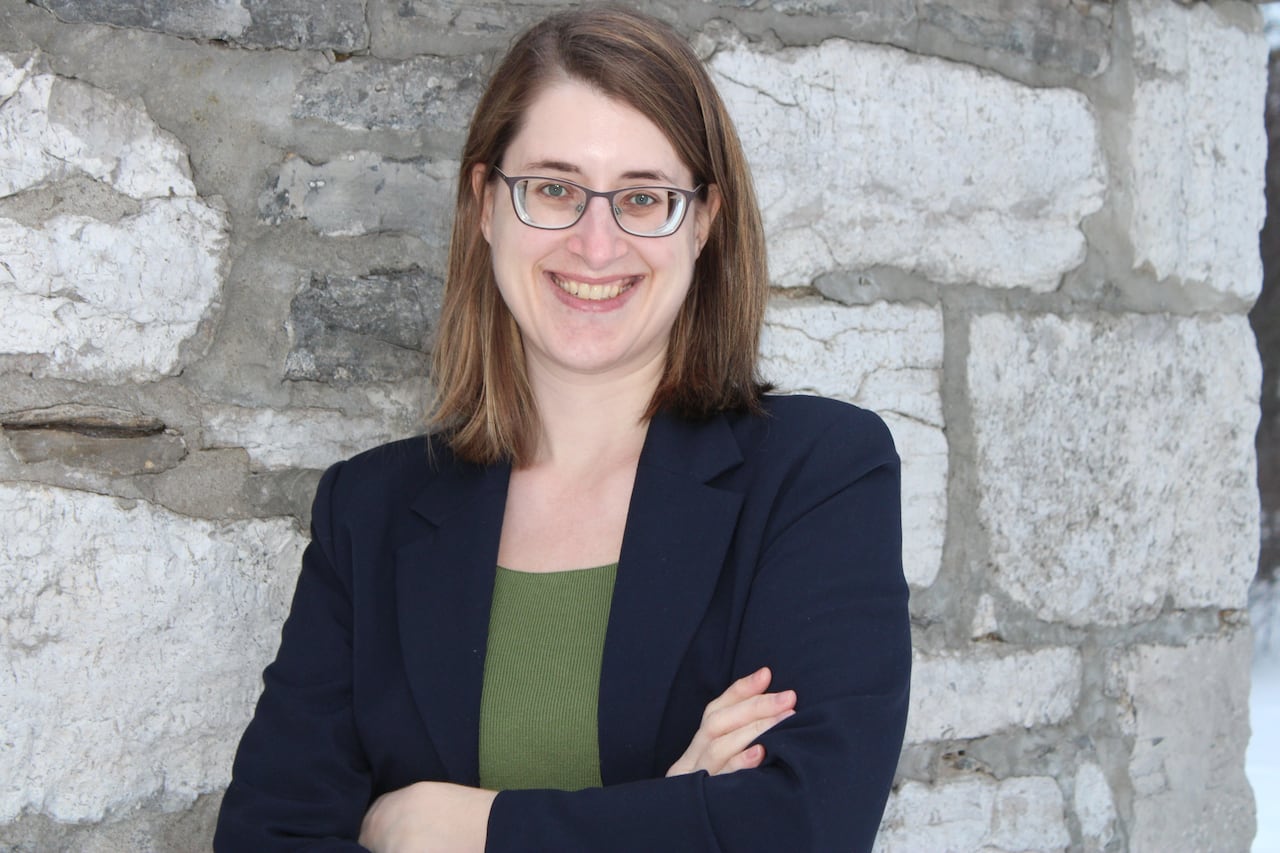 Dr. Christine Miller is a care of the elderly doctor. She says the territory needs a dedicated geriatric health service to support its aging population. (Submitted by Christine Miller )
Miller says with more doctors trained to treat and diagnose age-related health concerns, those with dementia may be able to get an earlier and more specific diagnosis.
“So my job as a doctor who works with older clients is to determine not only, yes you have dementia, but why that memory change is occurring,” she said. “So is it due to something like Alzheimer’s disease [or] vascular disease.”
More data, more services
At least 310 Yukoners over the age of 65 are living with dementia, according to Health Canada statistics from 2023-2024. However, that number is likely a low estimate, says Colleen Cahoon with the Alzheimer Society of B.C. In order for Yukoners living with dementia to be included in the data, they must be diagnosed by a healthcare professional.
“The numbers in the Yukon might not fully reflect people with dementia in the Yukon because of potential difficulty accessing a diagnosis,” Cahoon said.
Bryant says the lack of dementia data in the territory limits services and support for those living with dementia — the same services and support that might improve access to a diagnosis.
“The data directs where we implement services or supports,” he said. “Data helps us focus the care that we as a territory provide.”
Cheeseman says with his early diagnosis he can function fairly well on his own, with help from his wife.
“I try to live with it. I can see it’s getting worse, but fairly, I would like to think, slowly,” he said. “I write poetry, I write stories and I hope that they help, because I’m not writing class lessons and lectures and professional papers as I used to do.”
However, he says, there are some services he and others living with dementia could benefit from.
“I would say that we need someone to relieve the caregivers so that they can have a day off now and again and have all programs somewhere I could go and… meet other people with dementia,” he said.
“I think we would enjoy just knowing there’s somebody else going through at least a similar problem.”
Currently, Miller says there’s a “short list” of organizations in the Yukon that provide services and support. Whistlebend Place has a senior day program, and both Yukon University and the Alzheimer Society of B.C. provide online educational resources and support.
There’s also a team that works with long term care staff to provide support and education and possible care plans for patients with dementia, Miller said.
In the new year, the Alzheimer Society of B.C. is also expected to hire their first Whitehorse-based staff member, so Yukoners can access more resources in-person.