
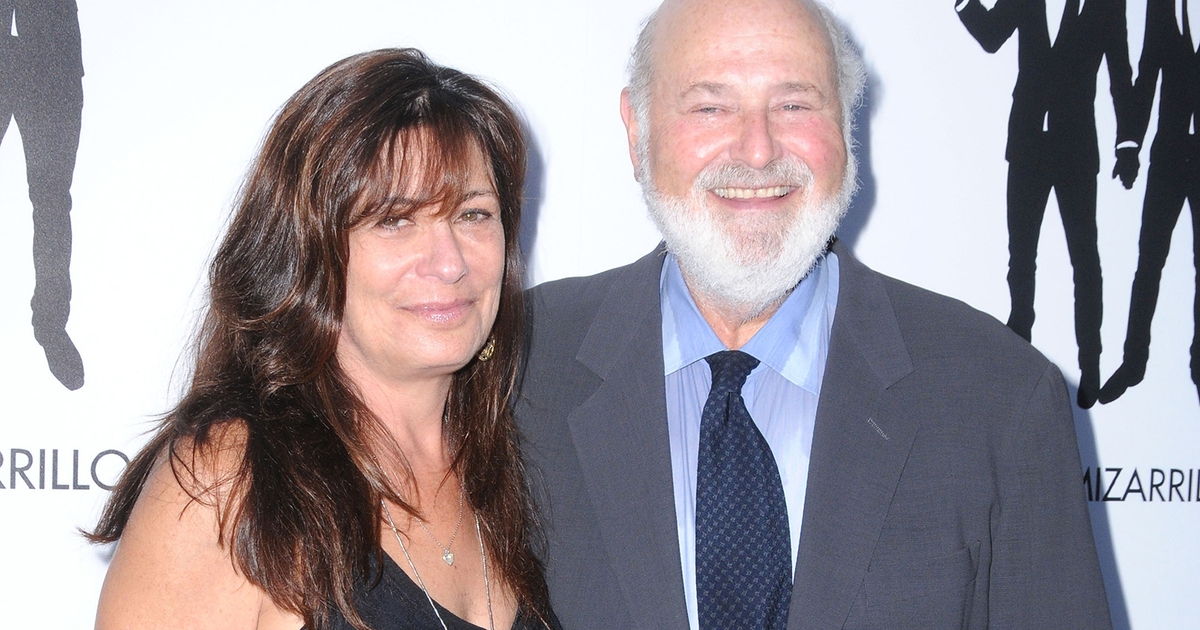
The world awoke Monday to the tragic news that Hollywood icon Rob Reiner and his wife, Michele Singer Reiner, had been found dead in their Brentwood home with their throats slit.
The primary suspect in the murders is the couple’s 32-year-old son, Nick Reiner, who was arrested Monday morning. Nick, who has been open in the past about his struggles with addiction and homelessness, allegedly committed the act during a heated argument with his parents, according to what few sources have come forward at this point.
For our purposes, however, motivation is largely immaterial, and the real question is what happens to the Reiners’ respective estates in the wake of this heinous act.
Under the current facts as we know them (it’s very early days and a great deal can change in the wake of an actual investigation), the two main estate planning concepts involved here are 1) slayer statutes; and 2) simultaneous death.
Most U.S. jurisdictions have codified what are colloquially known as “slayer statutes,” which, in short, stop a person from inheriting property from someone they’ve murdered.
California’s Slayer Statute (Probate Code §250), made famous during the Menendez brothers case in 1989, prevents a person who feloniously and intentionally kills another from inheriting property, benefiting from wills and trusts or serving as an executor for the victim, treating the killer as if they predeceased the victim. These bars also extend to certain testamentary adjacent items, such as beneficiary designations (pay-on-death or transfer-on-death) on bank accounts, life insurance policies, retirement accounts and powers of appointment. Basically, the killer can’t benefit from their crime.
Some notable exceptions include justifiable homicide (aka self-defense), accidental deaths and unintentional killings. However, the law is still a bit murky in less cut-and-dry cases involving things like mental illness or assisted suicide.
Criminal conviction is generally conclusive evidence to invoke this statute, but it’s important to note that distribution of an estate happens in civil (probate) court, not criminal court. As such, the burden of proof is lower (a preponderance of the evidence vs. beyond a reasonable doubt), so even in the absence of a criminal conviction, a slayer statute may still be invoked.
The second element is that of simultaneous death. This was also recently a potential issue in the tragic case of Gene Hackman and his wife. California is a community property state and follows the Uniform Simultaneous Death Act. The USDA provides guidelines for determining the distribution of community property when both spouses die simultaneously or if it can’t be determined who passed away first.
According to the USDA, if there is no clear evidence that one spouse outlived the other by at least 120 hours (five days), the law presumes that each spouse predeceased the other. This means that each half of the community property will be distributed according to the deceased spouse’s estate plan (if one exists) or in accordance with California intestate succession laws.
Since little is known about the Reiner’s estate plan or even the presence of wills (or, more likely, in the case of Californians, revocable trusts), trying to project anything further is even wilder speculations than we’ve already engaged in, and is beyond even the nebulous scope of this article. Still, it would not be surprising in the least to see more interesting developments in this high-profile case going forward.