
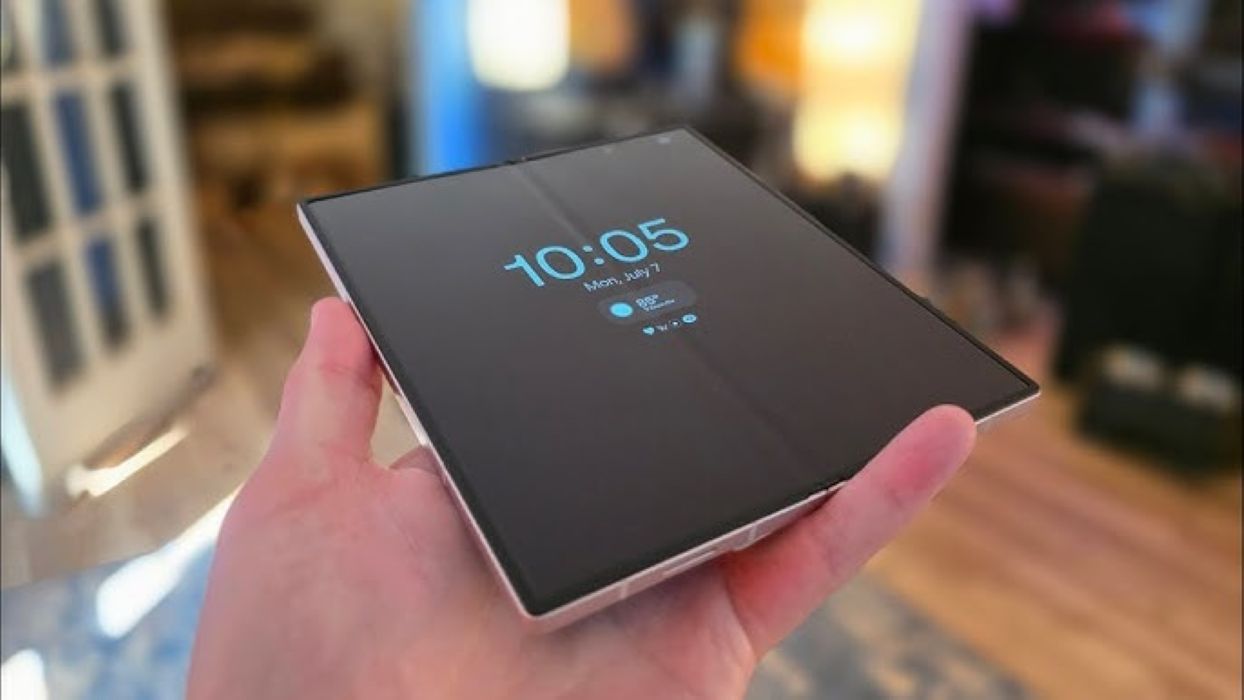
Foldable phones have been “the future” for nearly seven years now. Every launch cycle brings progress in the form of thinner hinges, less visible creases, stronger materials, and better water resistance. And to be fair, those improvements have added up. Foldables in 2025 are noticeably better than the ones that felt like fragile experiments in 2019 or 2020.
Still, 2025 wasn’t the year foldables became perfect. And to be honest, 2026 won’t be either.
That doesn’t mean foldables are standing still. They’ll continue to look nicer, feel lighter, and break less often. Some of them already function as genuinely good phones.
But if you’re waiting for the moment when foldables stop feeling like a compromise and start feeling like the obvious default, you’re probably going to keep waiting. Not because manufacturers aren’t trying, but because the core problems of foldables aren’t close to being solved.
The hardware problem isn’t finished — it’s just quieter
Phone makers love to talk about hinges and creases, and that makes sense. They’re the most visible reminders that foldables are still bending the rules of what a phone screen is supposed to do. By 2026, the crease will likely be less noticeable than it was a few years ago. Hinges will feel firmer and more refined. Dust resistance will continue to improve.
However, none of that alters the fundamental tension at the heart of a foldable: it’s a phone and a fragile tablet trying to coexist in the same body.
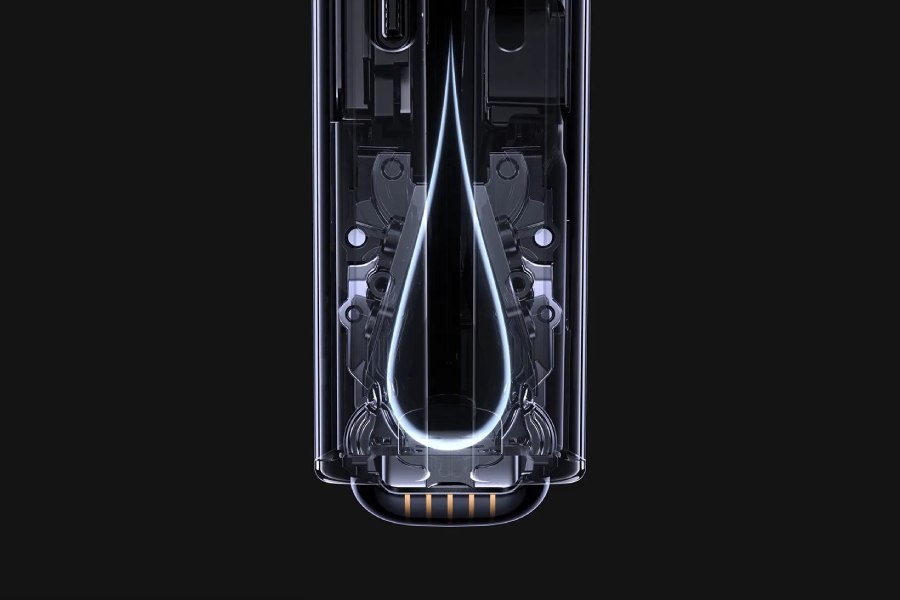
Glass doesn’t like being bent. Even the most advanced ultra-thin glass scratches more easily than standard smartphone glass. It reflects light differently along the fold. And every time you swipe across it, there’s a subtle reminder that this display is doing something it was never originally designed to do.
Hinges have improved, too, but they haven’t become simpler. If anything, they’ve become more complex. More moving parts mean more things that can wear out or fail. Even when foldables don’t outright break, they tend to age poorly. After a year or two, hinges can loosen, screen protectors can bubble, and the device starts to feel tired in a way slab phones usually don’t.
Repairs are still expensive
Even if durability continues to improve, repair economics remain a blunt reality. When the most expensive part of a foldable fails, like the inner folding display or the hinge mechanism, it will cost you a fortune to repair. For instance, repairing the latest Huawei Mate X7’s screen can buy you a brand new Xiaomi 17.
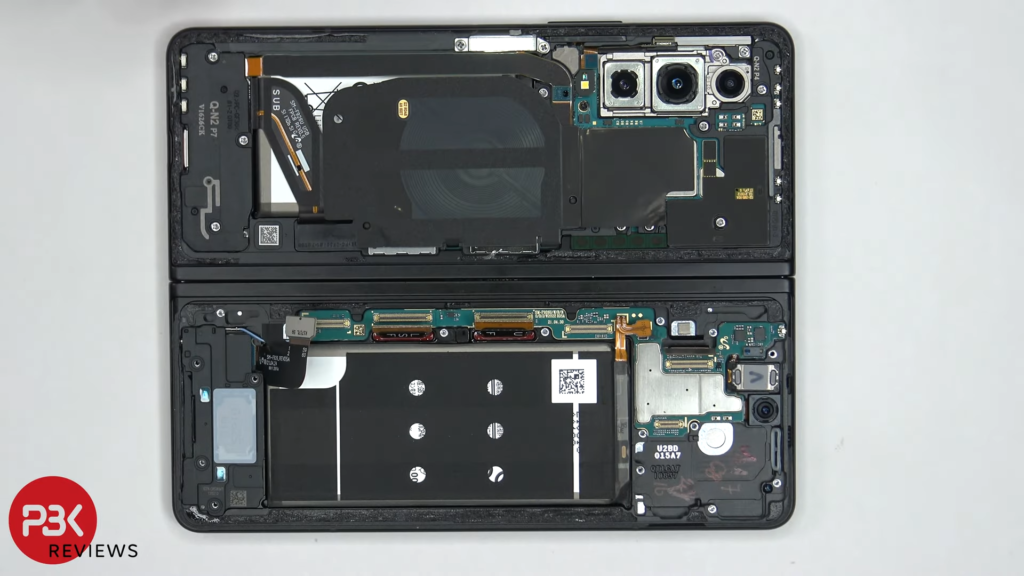
Some manufacturers try to soften the blow with schemes and offers. Samsung, for example, subsidizes a first-time inner screen repair within the first year on recent Galaxy Z Fold models. But once you’re out of warranty, replacing a folding display on a flagship foldable can easily cost hundreds of dollars.
That’s not a minor footnote. It’s a real part of the ownership equation. High repair costs discourage mainstream buyers and complicate second-hand sales or family hand-downs. Foldables don’t just cost more upfront; they demand more commitment over time.
Software is still playing catch-up
Hardware is only half the story. Software is the other half, and it’s still uneven.
Foldables change everything about how screens behave. Aspect ratios, orientations, postures, and transitions between folded and unfolded states. Apps need to adapt gracefully, maintain state as the device changes shape, and make good use of extra screen space without feeling awkward or stretched.
Android has made real progress here. Google has introduced tools and guidelines for optimizing large-screen and foldable devices, and some apps already perform exceptionally well on devices like the Galaxy Z Fold or Pixel Fold. But building great foldable experiences takes time, testing, and often a full rethink of layouts and interaction patterns.
What makes this better and worse is that not every manufacturer designs foldables in the same way. Oppo thinks a foldable should be wide, giving it a more tablet-like feel, while Samsung goes for a taller 10:9 aspect ratio. Since there isn’t a single standard for how a foldable should be made, it becomes even more difficult for app developers to optimize apps for every screen.
Battery life remains a quiet disappointment
Foldables combine large displays, powerful chips, and limited internal space — which is a bad equation for battery life.
Yes, battery tech improves every year. Chips become more efficient. Software optimization gets smarter. But foldables still consume more power simply because they do more. Driving a near-tablet-sized screen at high brightness and high refresh rates isn’t energy-efficient, no matter how you optimize around it.
In everyday use, foldables often struggle to match the endurance of similarly priced slab phones. By 2026, the gap may shrink, but foldables still won’t lead the pack. Fast charging helps mask the issue, but it doesn’t solve it.
For a category that’s supposed to represent the future of smartphones, “good enough” battery life feels underwhelming.
Cameras are still a second priority
Foldables are expensive. You’d expect them to have the best cameras available. They usually don’t.
The limitation is space. Hinges, dual displays, and complex internal layouts take priority, and camera systems often get whatever room is left. That’s why many foldables lag behind traditional flagships in sensor size, zoom capabilities, and low-light performance.
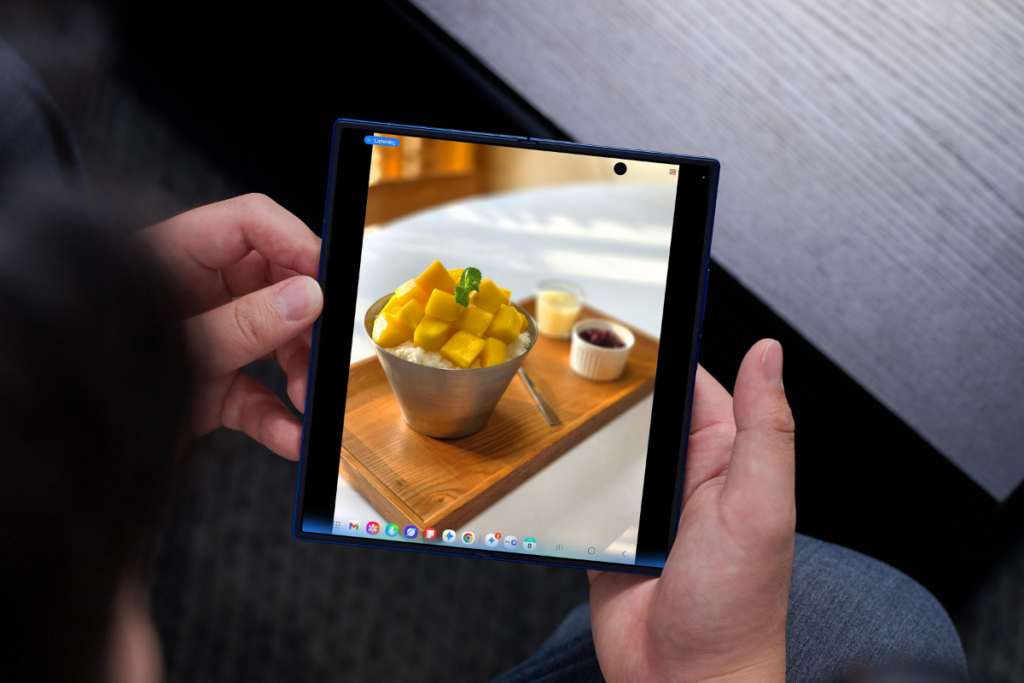
Cameras will improve, but expectations matter. If a phone costs more than every other flagship on the market, it should at least match them. Foldables are often marketed as productivity devices, and for creators, productivity includes shooting and editing video.
However, it’s hard to recommend a foldable as a primary shooting phone when cheaper slab phones consistently deliver better results.
Prices aren’t coming down
Foldables are already expensive, and 2026 won’t make that easier. Memory costs are rising, and that pressure is showing up across consumer electronics. We’ve already seen price increases in new smartphone launches, and companies like Xiaomi have even raised prices on tablets months after release.
Foldables will feel that pressure more than most categories. When a product already sits at the top end of pricing, even modest component increases hit harder.
The elephant in the room
A lot of optimism around 2026 revolves around Apple. Rumors of a foldable iPhone have circulated for years, and Apple’s entering the category would inevitably reshape the conversation.
But Apple is cautious. It doesn’t rush new form factors, and it doesn’t ship products until it’s comfortable with hardware reliability, software maturity, and long-term repair support.
If Apple does release a foldable, it will be because it believes the trade-offs are acceptable. Even then, a single Apple product wouldn’t magically fix pricing, repair costs, or the broader app ecosystem. The industry might pivot harder toward foldables, but that’s not the same as a market that’s ready to flip overnight.
So, should you buy a foldable in 2026?
If you already like the idea and can afford the price (and the risk), today’s foldables are the most polished they’ve ever been. They’re usable as daily phones, and many early pain points have been meaningfully reduced.
But if you’re buying one because you think 2026 is the year foldables finally become the obvious, sensible choice for everyone, that’s a… gamble.
The practical advice is simple: choose a model with strong repair support in your region, consider manufacturer insurance, and be honest about whether the foldable form factor actually fits how you use your phone. If you want a low-maintenance device that can take abuse and last for years without special care, a conventional flagship still wins on value and peace of mind.
For more daily updates, please visit our News Section.
Stay ahead in tech! Join our Telegram community and sign up for our daily newsletter of top stories.