
Red Bull are in the midst of their greatest challenge in Formula 1 – producing their own power unit. The 2026 season will mark the team’s first year on the grid as a manufacturer, having spent two decades as a customer.
To be clear, their previous engine deal with Honda essentially gave them all the privileges of being a manufacture. Red Bull had the luxury of monitoring engine design alongside their aerodynamic development – working with a highly competent partner in Honda.
Producing power units completely independently is a huge challenge, and one widely seen as something that hurts the team’s 2026 chances.
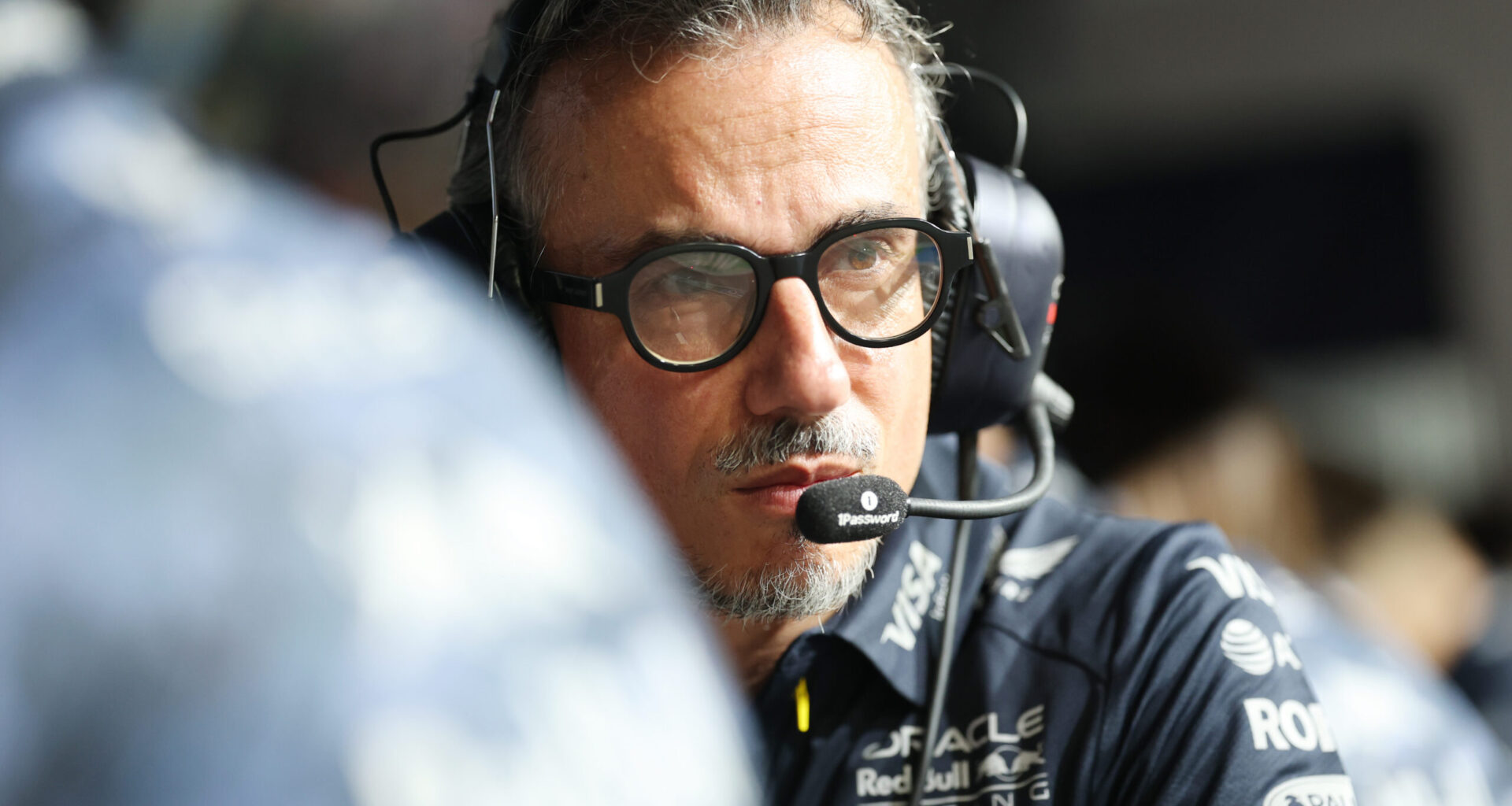
According to Laurent Mekies, however, the team are ready for the task.
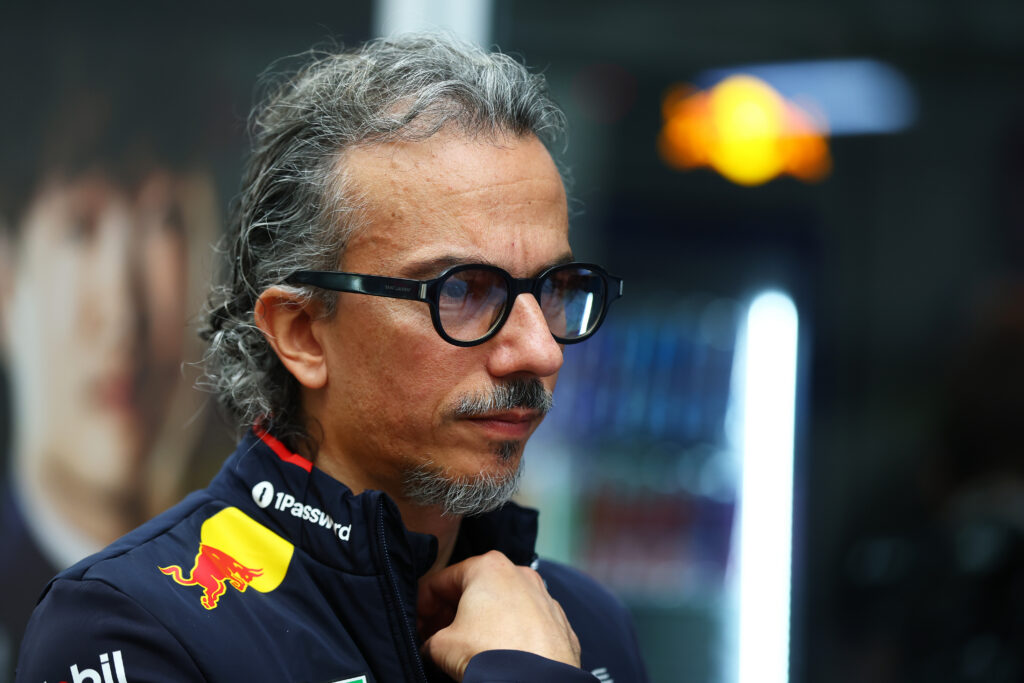 Laurent Mekies, Team Principal of Oracle Red Bull Racing. (Photo by Mark Thompson/Getty Images) // Getty Images / Red Bull Content Pool
Mekies discusses Red Bull’s engine challenge
Red Bull’s switch from Renault to Honda engines in 2019 was largely motivated by their frustrations as a customer team. The Milton Keynes outfit felt the Japanese manufacturer could give them the benefits of fully integrating their power units with their cars.
One of the main vulnerabilities for customer teams is being forced to work around the engines (and sometimes gearboxes) they are supplied with.
Because of this, Red Bull preferred to start their own engine department for 2026 when Honda announced their intention of leaving F1. Ironically, Honda’s U-turn and decision to continue supplying engines in 2026 have benefited Adrian Newey’s Aston Martin.
That aside, Laurent Mekies, there is little sense in downplaying the magnitude of what his personnel face. The Frenchman is fully aware of the obstacles, especially early on, his team will face.
Simultaneously, he points towards the progress made in assembling a competent group of engineers for engine production:
“It’s the craziest decisions one can take,” he told gpblog about Red Bull making their own engines.
“And that’s how we feel. It was a crazy, crazy call – probably a call that only Red Bull can make. So we started in this field – we now have a building, we have the dynos, we have 600 people.
“So we will try to fight against people that have been doing it for 90 years. We love the challenge, we love that idea, it’s very Red Bull. Very proud to do it with Ford.
“It would be naïve to think that we are going to land in the top spot straight away. We know we are going to have a few very, very tough months, many sleepless nights, a few headaches.
“But it’s also part of the privilege to be associated with this sort of challenge.”
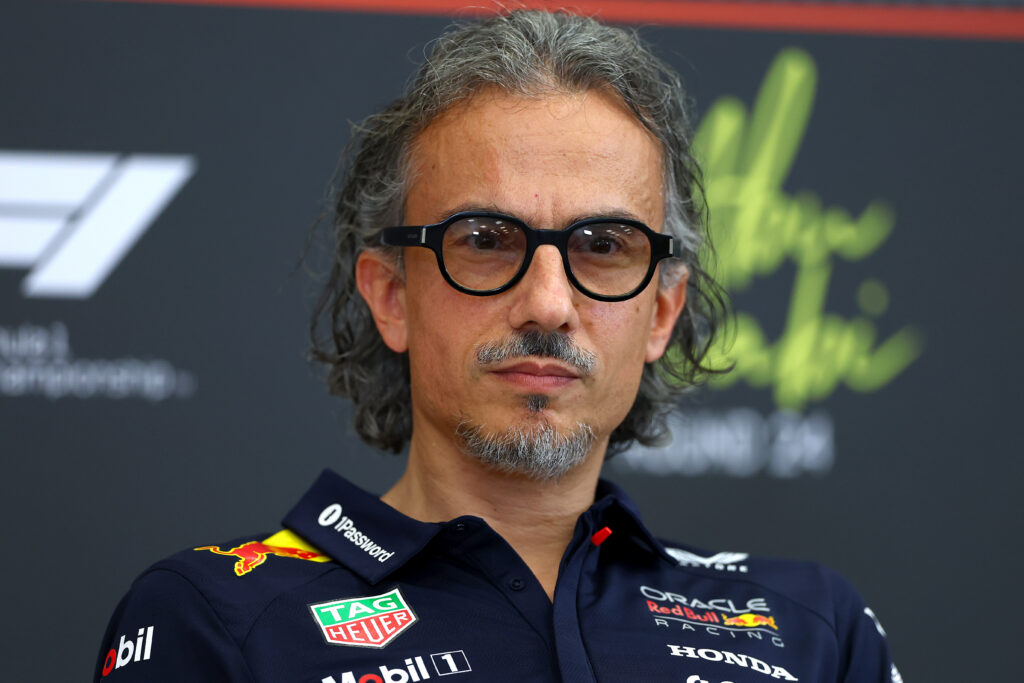 Laurent Mekies, Team Principal of Oracle Red Bull Racing. (Photo by Bryn Lennon/Getty Images) // Getty Images / Red Bull Content Pool
Tight deadlines
A team with Red Bull’s winning history is not programmed to aim for anything less than Championships. In 2026, however, the top step of the podium will be very difficult for the team to reach.
Over the last twenty years, Red Bull have shown repeatedly they should not be underestimated.
This also applies for their transition into becoming engine suppliers. Having signed hundreds of personnel – including many from rivals Mercedes – their power unit department is very well equipped.
It should also be noted that hundreds of Renault employees were told to abandon work on the 2026 engines last year – as it was announced Alpine would become a customer team.
This was a blessing for both Red Bull and Audi, who suddenly had a new pool of engine technicians they could approach. Mercedes are understood to have over 700 employees working on their powertrains.
For Red Bull to have already assembled 600 personnel for their engines is a very significant feat.
In combination with the infrastructure being assembled behind the scenes, the Austrian team should not be written off as automatic backmarkers for next season.
Of course, this does not mean they are title favourites either. The first success for Red Bull would be to have an engine on a similar level to the veteran manufacturers – Mercedes, Ferrari and Honda.
Should Mekies’ team lose a few tenths exclusively on the engine side, this would not necessarily be a surprise. The question is whether they are close enough to give their aerodynamic department a chance to compensate and close the gap.
READ MORE: Why Red Bull and Audi’s engines should not be written off
Main photo: Mark Thompson/Getty Images (Red Bull Content Pool)