
Unlock the White House Watch newsletter for free
Your guide to what Trump’s second term means for Washington, business and the world
(noun) the state of being cheap enough for people to pay for
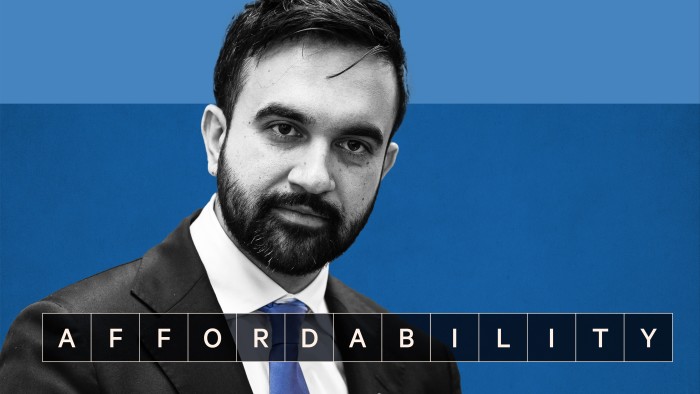
As well as coming from nowhere to win the mayoral election in New York, Zohran Mamdani, a self-described “democratic socialist”, succeeded in setting America’s national political agenda this year.
“Affordability” was the watchword of Mamdani’s successful bid to run a city where even those earning as much as $150,000 a year can feel the pinch. Soon the word was also falling from the lips of Democrats across the country, who found that an emphasis on the high cost of living could reap electoral dividends.
Forty-six per cent of Americans polled in early December said the cost of living was the worst they could remember. The response of President Donald Trump? He said the issue of affordability was a “Democrat scam”. Trump awarded the US economy an “A-plus-plus-plus-plus-plus” and claimed that “inflation is essentially gone”, when in fact it still sits some way above the Federal Reserve’s 2 per cent target.
The president told voters they could just “give up certain products”, including “pencils”, if they were feeling squeezed. By mid-December, his approval rating was 8 percentage points lower than it had been at the beginning of the year.
Vice-president JD Vance was only slightly less extravagant than his boss when he graded the economy “A-plus-plus-plus”. But Trump’s more clear-eyed supporters know the difficulty that their man finds himself in on the affordability question.
Steve Bannon, the president’s former chief strategist, warned Republicans not to play the Democrats’ game and said there was no point in insisting that things were more affordable today. “The lived experience of people is the lived experience of people,” he observed. After all, it’s never a good idea for a politician to try to persuade people to disbelieve the evidence of their own wallets.