
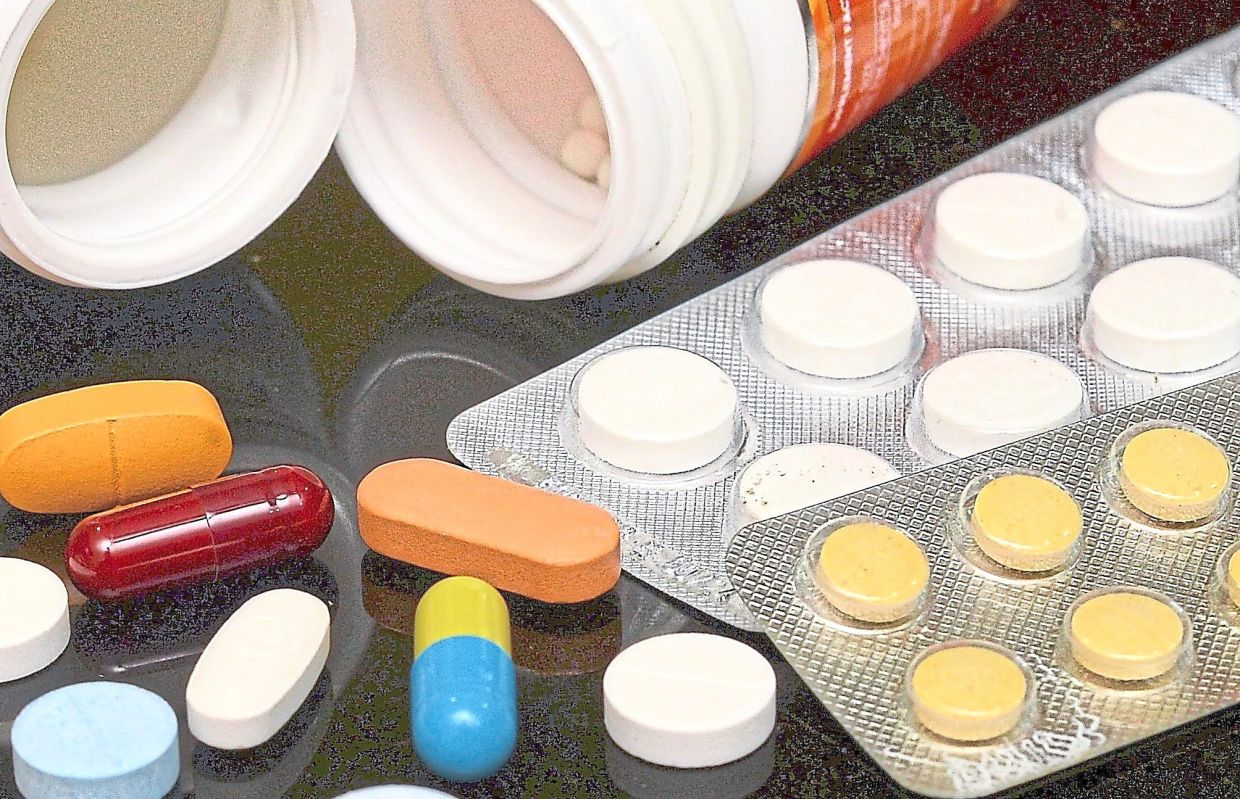
A natural disaster, as the term implies, refers to an event triggered by natural forces, whether arising from weather and climatic conditions, or from geological activity.
Although Malaysia experiences relatively fewer extreme natural disasters, flooding remains a persistent national concern.
Driven largely by heavy rainfall and seasonal monsoons, floods occur annually, with incidents recurring during the South-West and North-East monsoon periods.
Given the frequency and scale of these events, floods also have far-reaching implications for public health.
Affected healthcare facilities might be inaccessible during floods.
Consequently, some patients are unable to obtain their medicine refills due to disrupted transportation links or because they are directly affected by the disaster.
This interruption in treatment is concerning, as missed doses can lead to poorly-controlled chronic conditions.
Additionally, floods may increase the risk of outbreaks of certain infectious diseases.
Therefore, patients living in flood-prone areas should be equipped with knowledge on systematic and effective medicine management to better prepare for such events.
Pre-flood planning
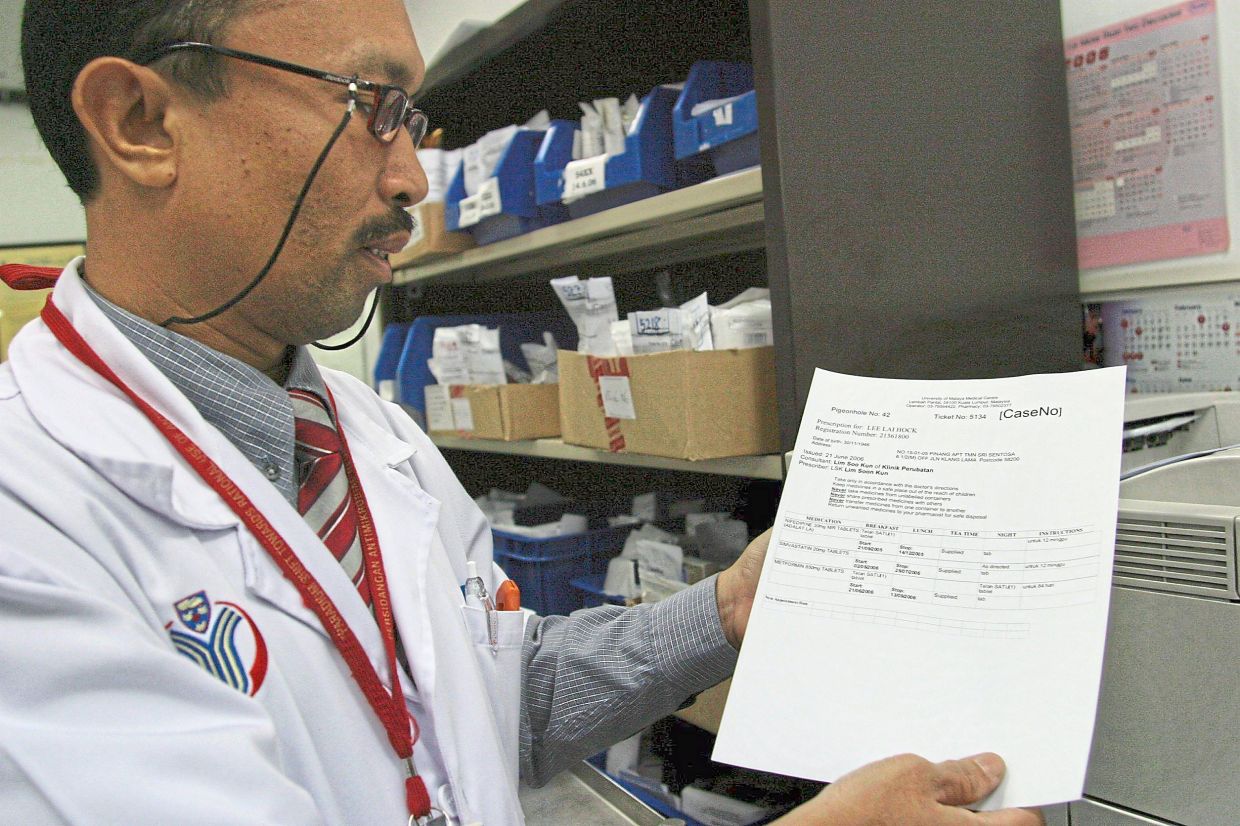 It’s a good idea to bring along a copy of your drug prescription when evacuating during a flood so that healthcare workers can easily help to refill it if needed.
Early planning before a flood occurs is an essential step in managing medicines.
Patients with chronic conditions, in particular, must ensure that they have an adequate supply of the medicines needed to control their illness throughout the flood season.
All medicines should be kept in a safe and appropriate container.
This will make it easier to transport them during a crisis and prevent exposure to floodwater.
In addition, medicines are best stored in their original sealed blister packaging to maintain their safety and efficacy.
These medicines must also be stored at the appropriate temperature, protected from moisture and light, and kept out of reach of children.
For medicines that require refrigeration, such as insulin, it is advisable to prepare an insulated cooler bag equipped with reusable ice packs.
Medical documents and records should be securely stored to prevent loss or damage during a flood.
In addition, keeping an up-to-date list of medicines, including dosage and indications, is essential, as it allows healthcare professionals to quickly identify the required medicines and provide prescription refills if necessary.
As an alternative, taking photos of current prescriptions and medical records can also facilitate identification and ensure continuity of treatment.
During a flood
With all preparations in place, it is crucial that patients bring their medicines during evacuation.
Bringing an adequate supply of medicines ensures patients do not miss any doses and remain compliant with their treatment.
In evacuation centres, where many people share the same space, medicines should be stored properly to protect them from damage or exposure to floodwaters.
The medicines should also be kept out of reach of children to prevent accidental ingestion.
Furthermore, prescription medicines should never be shared.
At evacuation centres, patients are reminded not to share or give their medicines to others, even if they have similar symptoms.
Medicines prescribed for one individual are not necessarily suitable for another.
Patients who do not have their own supply should always consult the medical team on duty.
Typically, when flood evacuation centres are opened, the medical team on duty brings along flood kits containing medical supplies and medicines for the use of flood victims.
Patients who experience interruptions in their medicine supply should inform the medical team so that appropriate measures can be taken to address the issue.
Post-flood management
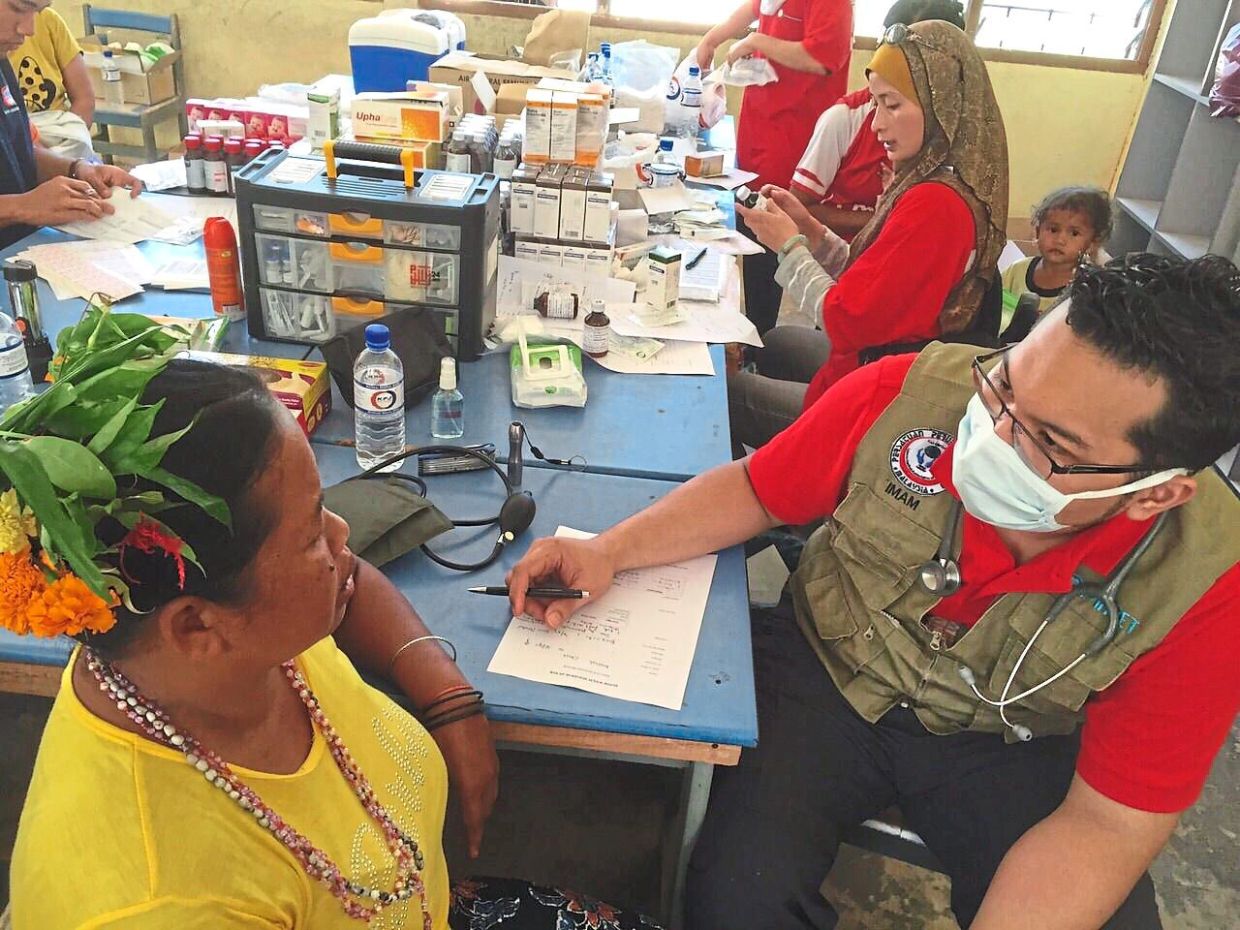 Flood evacuation centres usually have a medical team on standby if you need help with your health or medications.
The primary focus of post-flood medicine management is to ensure that any remaining medicines are safe to use and patients regain access to follow-up care.
Once floodwaters begin to recede, patients are advised to seek medical attention at the nearest health clinic or hospital as soon as possible.
They should also obtain a new supply of their medicine if their previous supply was damaged during the flood.
Healthcare providers will conduct a thorough assessment, and medicines will be prescribed based on the patient’s current health status.
Medicines that have been exposed to floodwater or stored under improper conditions may become contaminated or lose their potency.
Patients should be reminded that any affected medicine is unsafe for use and must be disposed of properly.
Signs that medicines have deteriorated include capsules that are sticky, and tablets that appear damp, crumbled or discoloured.
Be prepared!
Good medicine management is crucial not only before the flood season, but also during and after the disaster.
Careful pre-flood planning can prevent disruptions in medicine supply that may lead to poor treatment adherence.
Patients with chronic illnesses, in particular, must continue taking their medicines as prescribed, even while staying at evacuation centres.
Once the flood situation has improved, patients should promptly seek follow-up assessment at a healthcare facility to ensure the continuity of their treatment.
In conclusion, awareness of flood risk and the implementation of proper emergency preparedness are essential within the community.
Although natural disasters can be unpredictable, having a well-organised management plan can significantly improve patients’ adherence, especially among those with chronic medical conditions.
For any inquiries regarding medicines, call the National Pharmacy Call Centre at the toll-free number 1-800-88-6722 during weekdays from 8am to 5pm, except on public holidays.
Farah Amaliena Zulkiflee is a pharmacist at Hospital Tawau, Sabah. This article is courtesy of the Health Ministry’s Pharmacy Practice and Development Division. For more information, email starhealth@thestar.com.my. The information provided is for educational and communication purposes only, and should not be considered as medical advice. The Star does not give any warranty on accuracy, completeness, functionality, usefulness or other assurances as to the content appearing in this article. The Star disclaims all responsibility for any losses, damage to property or personal injury suffered directly or indirectly from reliance on such information.