
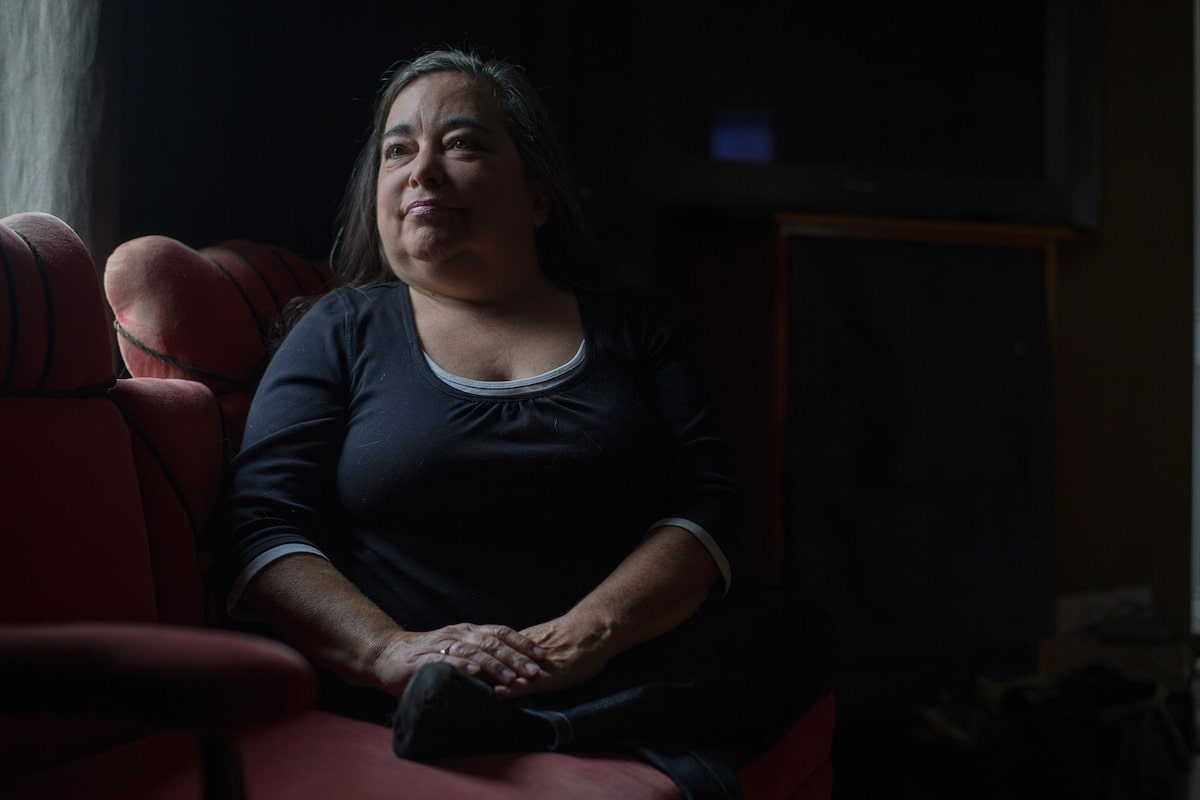
The drug for pregnant women left more than 100 Canadians with a lifetime of disabilities. A decade after receiving funding from a government support program, some thalidomide survivors say it has helped make difficult days easier.
The Globe and Mail
The private company managing the federal government’s support program for thalidomide survivors is exploring changes that include dividing an existing medical assistance fund equally among recipients, no matter how severely they were affected by the drug.
Thalidomide, approved for prescription use in Canada in 1961 as a sedative, but prescribed to pregnant women for morning sickness, was later found to cause birth defects, including absent or stunted arms, missing legs and fingers, and deformed organs.
To Lianne Powell, who was born with one leg missing up to her hip and only one lung, the proposed option to split medical assistance funds equally, reducing the amount she can access, feels like another attempt by the government to shirk its responsibility to the Canadians who were harmed by one of the worst cases of drug negligence in the country’s history.
“They are supposed to be helping us stay in our homes,” said Ms. Powell, 64, who lives on her own in London, Ont., and walks with a crutch or uses a mobility scooter.
Thalidomide victim Lianne Powell, who is missing a leg and some internal organs, at her home in London, Ont., in November, 2014.Michelle Siu/The Globe and Mail
She has used the medical fund over the years to cover costs for housekeeping, snow removal and lawn care; to upgrade airplane seating when she travels with oxygen; and to make accessibility modifications to her home.
Now, the Extraordinary Medical Assistance Fund, one part of the federal support package for Ms. Powell and 132 other thalidomide survivors in Canada, won’t cover many of these services.
And if the medical fund was divided equally – one option proposed in a Dec. 12 survey sent to recipients by Epiq, the company that manages the program – Ms. Powell would receive the same $8,600 annual amount as those with much lower disability levels.
While she would no longer have to submit receipts and could spend the money as she chooses, the amount is about one-third the capped amount she can receive now each year.
“There are some people who have not used the fund because they don’t need it, and some of us who have used it every year,” said Ms. Powell, pointing out that those with more severe disability will only have higher medical and accessibility needs as they age.
“Couldn’t they just take care of us now?” she said. “Is that too much to ask, when they were off the hook all these years?”
Ms. Powell has used the medical fund over the years to cover costs for housekeeping, snow removal, lawn care, travel accommodations and to make accessibility modifications to her home.Michelle Siu/The Globe and Mail
The medical fund was part of a thalidomide support package announced by the federal government in 2015 – 50 years after Canada approved the drug without evidence or clinical trials showing it was safe.
When details of the emerging side effects were first published in December, 1961, countries such as Britain and Germany banned it immediately, but the Canadian government delayed doing so for three months.
More than 100 babies in Canada – and 10,000 around the world – were born with birth defects after their mothers took thalidomide.
Today, the survivors are all in their early 60s, many suffering from chronic pain, fatigue and severe arthritis. They are aging faster than the general population – the toll of using toes and teeth to fill in for missing limbs. Many of them have also lived in poverty for most of their lives, and have struggled to pay for the care they need.
In depth: 10 years of dignity for thalidomide survivors
The thalidomide support package announced 10 years ago included lump-sum payments eventually totalling $250,000, annual pensions between $25,000 and $100,000, depending on the level of disability, and the creation of the medical assistance fund. (Both the fund and the pension increase by 2 per cent annually.)
According to a five-year review published earlier this year, the program has “improved access to care and reduced financial stress” for survivors. But the report also said recipients found the process to access money from the medical fund time-consuming and “degrading,” requiring them to fill out pages of paperwork, have requests witnessed by third parties and repeatedly share their personal details with strangers.
Last year, Epiq received more than $1.5-million to assess the small number of possible thalidomide survivors still waiting to be approved for the program, as well as to approve or deny reimbursement requests from the medical fund. The five-year review recommended that Epiq employees receive sensitivity training.
A spokesperson for Health Canada, Karine LeBlanc, said the survey that included the options for changes to the program was meant to solicit survivor feedback after the five-year review.
Many thalidomide survivors find accessing medical fund stressful, ‘degrading,’ report finds
Ms. LeBlanc said that changes could also ultimately include dividing the funds by disability level, depending on the survey responses. A second option presented on the survey would generally maintain the most recent structure of the fund, giving $4,320 to everyone annually and placing a $30,000 cap on the amount that could be reimbursed beyond that.
The capped amount would be used only for surgeries not covered by the province, car adaptations or major home renovations, and not services such as cleaning or snow shovelling. What remains unused at the end of the year, the survey proposed, would be split equally by survivors.
Ms. Powell said she felt “pushed” into supporting a change to the fund because the survey did not offer the choice to reject both options.
During the pandemic, Ms. LeBlanc said, the fund covered services to survivors who could not receive help in their homes – but she added that it is primarily intended for “extraordinary” expenses, such as specialized surgeries or major accessibility renovations.
Another survivor, Susan Wagner-White, in Perth, Ont., said some thalidomide disabilities are more extraordinary than others.
Susan Wagner-White at her home in Perth, Ont., on Nov. 25.John Kealey/The Globe and Mail
Like Ms. Powell, Ms. White points out that those with a lower level of impairment could use the money on luxuries, while people like her, with more severe issues, may not have enough for the care they will need to remain in their homes.
Ms. White, who was born with severely shortened arms and malformed hands, says applying for the fund has been “so hurtful” that she paid out of pocket when she needed her top teeth replaced because of damage caused by pain medication and using them instead of her hands over the years.
Ms. White, who has no private health coverage, says a lump sum of $8,600 would not cover the weekly massages she gets for debilitating neck and back pain. She expects to need her bottom teeth replaced in the future – dental work likely to exceed the current capped amount for the medical fund.
Without thalidomide, the survivors would not have faced a lifetime of “scraping by and running down our bodies,“ Ms. White said. “The government made a mistake, and they should support us until the last one of us has died.”