
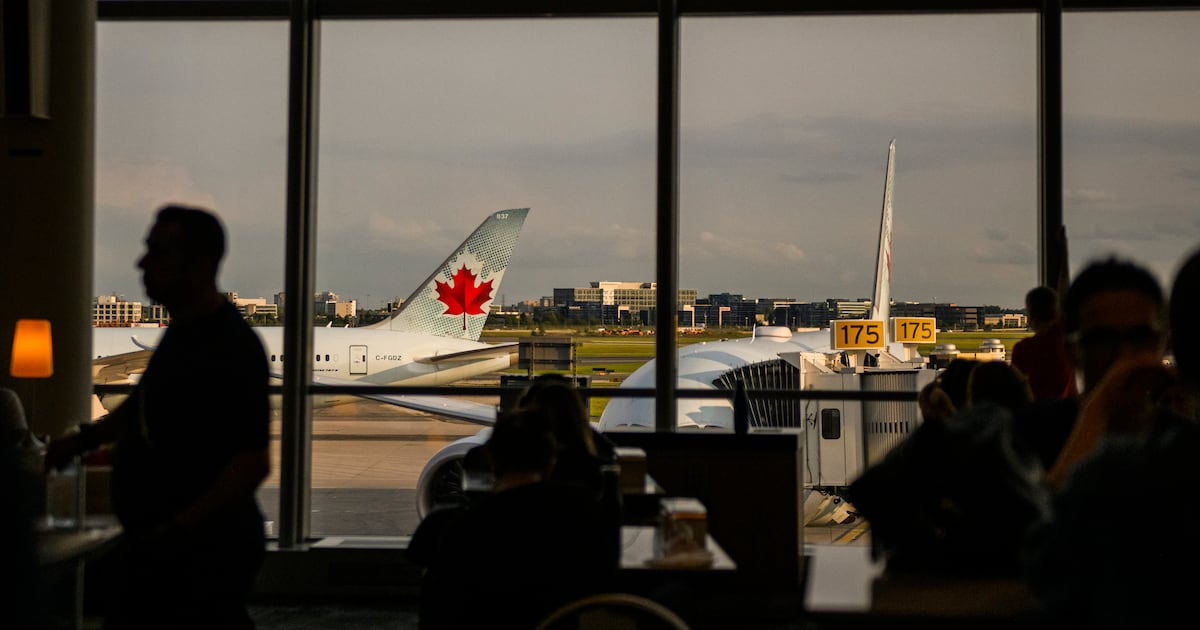
If you’re travelling outside the country this holiday season, be sure to check the Canadian government’s most recent travel advisories before departing.
Global Affairs Canada’s travel advice and advisories cover more than 200 countries and territories, with each assigned one of four risk levels: 1) take normal security precautions; 2) exercise a high degree of caution; 3) avoid non-essential travel; and 4) avoid all travel.
Ottawa strongly advises anyone considering a trip to somewhere with an “avoid non-essential travel” or “avoid all travel” risk level to rethink their plans. Visiting such places could also result in travel insurance coverage being reduced or denied.
“Following the Government of Canada’s official travel advice will enable you to make well-informed decisions for your personal safety and security,” Global Affairs Canada says.
According to a September report from Global Affairs Canada, the top nine international destinations for Canadian travellers are: the United States, Mexico, Dominican Republic, France, Cuba, United Kingdom, Italy, Spain and Germany. With the exception of the U.S., where travellers are advised to “take normal security precautions,” Canadians are urged to “exercise a high degree of caution” in the other destinations due to risks like crime and terrorism.
Although these advisories are subject to change, if you’re visiting one of these countries or venturing somewhere else, here’s what you need to know about travel advisories this holiday season.
‘Take normal security precautions’ in countries like Barbados, U.S., Portugal and Greece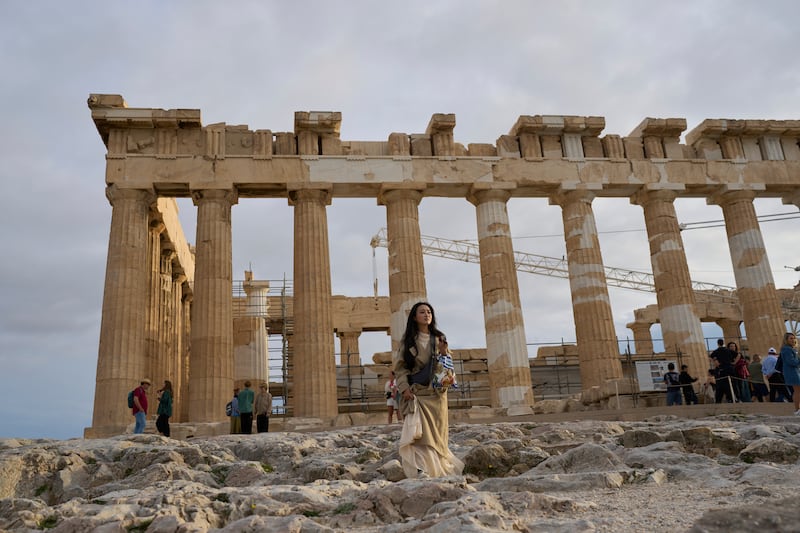 Greece Acropolis Tourists visit the 5th century B.C. Parthenon temple atop the Acropolis hill in Athens, Friday, Oct. 31, 2025. (AP Photo/Petros Giannakouris)
These are countries and territories with similar security situations to Canada. More than 100 destinations make this list, including popular holiday spots like Aruba, Barbados, Bermuda, Cayman Islands, Curacao, Puerto Rico, Saint Lucia and the U.S.
European countries like Austria, Croatia, Greece, Iceland, Ireland and Portugal are also on this list, and so are more distant destinations like Australia, New Zealand, Japan and South Korea.
Some, however, have regional advisories in place – like Argentina, Malaysia and Panama – due to heightened risks such as violence and organized crime.
‘Exercise a high degree of caution’ in countries like Mexico, Cuba, France and Italy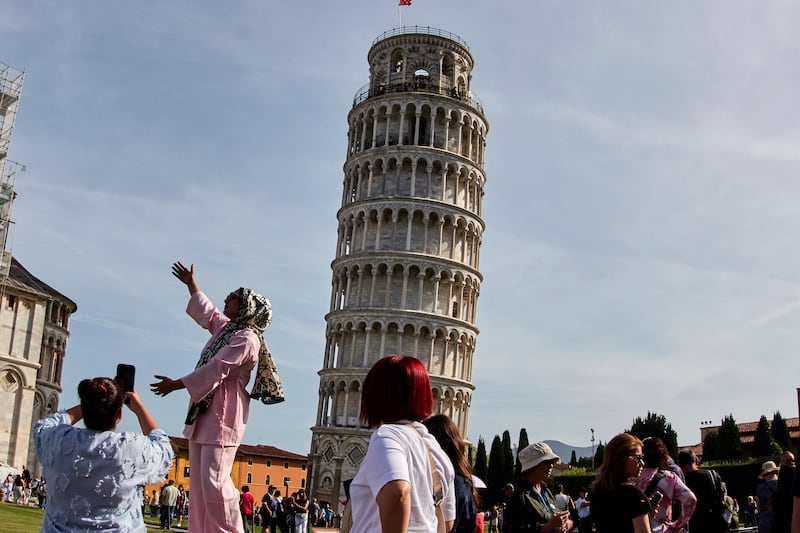 Italy Daily Life Tourists pose in front of the Leaning Tower of Pisa, Italy, Wednesday, Sept. 17, 2025. (AP Photo/Michael Probst)
Travellers to these destinations are urged to be cautious and vigilant due to elevated risks like crime, natural disasters, political instability and the threat of terrorism.
“There are certain safety and security concerns or the situation could change quickly,” Global Affairs Canada cautions on its website. “Be very cautious at all times, monitor local media and follow the instructions of local authorities.”
Nearly 100 countries and territories are featured on this list, including many popular sun destinations like the Bahamas, Costa Rica, Cuba, Brazil, Jamaica, Mexico, Dominican Republic and Turks and Caicos.
Due to the threat of terrorism, Canadians are urged to exercise a high degree of caution in many European countries, including Belgium, Denmark, France, Germany, Italy, Netherlands, Spain, Sweden and the U.K. Other popular destinations that make this list include Cambodia, China, Turkiye, Thailand, India, Israel, Morocco and Vietnam.
Heightened regional advisories are in place for several of these countries and territories, such as areas near the Thai-Cambodian border, where Canadians are urged to avoid all travel due to ongoing military clashes.
Canadians are urged to avoid non-essential travel to certain regions in Mexico due to violence and organized crime, including parts of Chiapas, Jalisco, Sinaloa and Sonora states.
Travellers are being told to avoid non-essential travel to Jerusalem “due to the unpredictable security situation” and avoid all travel near Israel’s borders with Syria, Lebanon and the Gaza Strip due to military activity.
While Cuba makes this list “due to shortages of basic necessities including food, medicine and fuel,” Global Affairs Canada says travellers can “take normal security precautions” in popular resort areas like Cayo Coco and the Varadero Peninsula.
Due to extensive damage caused by Hurricane Melissa, travellers to Jamaica should avoid non-essential travel to certain southern and western parts of the island, including parishes such as Clarendon, Manchester and St. Catherine. Popular beach destinations like Treasure Beach, Negril and Montego Bay are excluded from the heightened advisory.
‘Avoid non-essential travel’ to countries like Lebanon, Israel, Nepal and Ethiopia Lebanon Christmas A man takes a selfie as he stands in front of Christmas decoration in downtown Beirut, Lebanon, Wednesday, Nov. 26, 2025. (AP Photo/Hussein Malla)
Covering only 10 countries and territories, the Canadian government urges travellers to avoid these destinations due to safety and security concerns such as violent crime, civil unrest, regional conflicts and political violence.
“You should think about your need to travel to this country, territory or region based on family or business requirements, knowledge of or familiarity with the region, and other factors,” Global Affairs Canada advises. “If you are already there, think about whether you really need to be there. If you do not need to be there, you should think about leaving.”
Due to ongoing tensions in the region, Lebanon makes this list while upgraded regional advisories urge Canadians to avoid all travel around the Lebanon-Israel border, southern Beirut and border areas with Syria.
The “avoid non-essential travel” list also includes Nepal, Papua New Guinea, Chad, Burundi, Democratic Republic of Congo, Eritrea, Ethiopia, Mauritania and Nigeria. For many of these countries, Canada also recommends avoiding all travel in certain regions where conflict and dangers are more prevalent.
‘Avoid all travel’ to countries like Jamaica, Haiti, Iran and Russia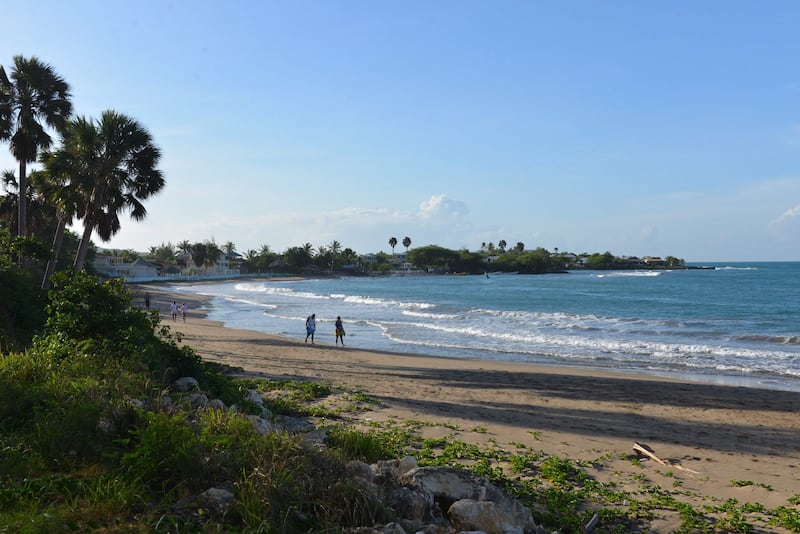 Jamaica’s Treasure Beach Jamaica’s Treasure Beach is shown on June 1, 2014. (AP Photo/David McFadden)
This list of 20 countries features the most dangerous, volatile and repressive places on the planet, including war-torn countries like Ukraine and Yemen, those with authoritarian regimes like Iran and Russia, and countries facing violent civil unrest like Haiti and Myanmar.
Other countries that make Global Affairs Canada’s “avoid all travel” list include North Korea, Belarus, Syria, Iraq, Afghanistan, Sudan, South Sudan, Somalia, Mali and Libya.
“You should not travel to this country, territory or region,” Global Affairs Canada warns. “Your personal safety and security are at great risk. If you are already there, you should think about leaving if it is safe to do so.”
Global Affairs Canada also urges Canadians to “avoid all travel” to Palestine “due to the dire humanitarian conditions, the volatile and unpredictable security situation, and extensive damage to infrastructure in the Gaza Strip, and the volatile security situation in the West Bank.”
How does Canada compare?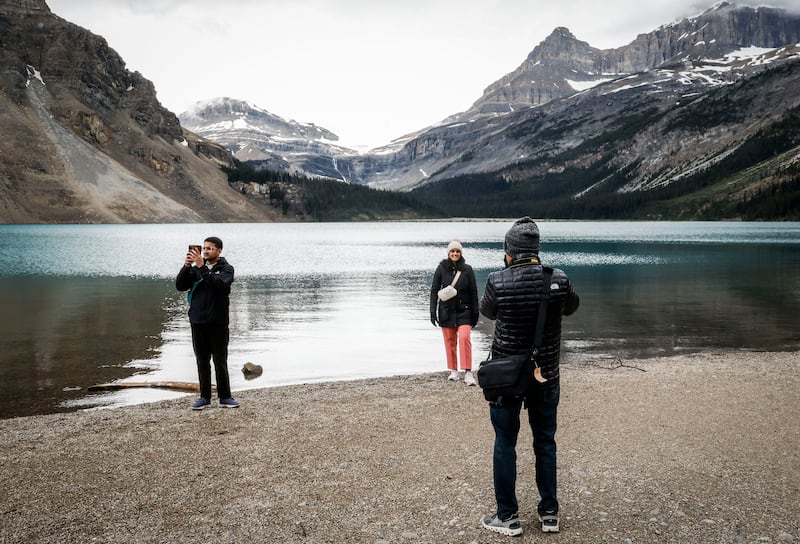 Bow Lake Tourists pose on the shore of Bow Lake in Banff National Park on Friday, June 20, 2025. (THE CANADIAN PRESS/Jeff McIntosh)
Similar travel advisories are published by the governments of Australia, New Zealand, the U.K. and the U.S. All four countries tell travellers to take normal precautions in Canada, but all four also highlight specific safety and security concerns to be mindful of while visiting.
“Bears and other dangerous wildlife live in forested areas,” the Australian advisory cautions. “Get local advice before hiking.”
The New Zealand advisory warns against “extreme weather” such as winter snow and ice storms.
The U.K. advisory says “terrorists are likely to try to carry out attacks in Canada” and cautions travellers against bringing cannabis home, where it remains illegal for recreational use.
The U.S. advisory also warns American travellers about Canada’s strict gun laws and says that “gun-related arrests at border stations are common.”