
(Credits: Far Out / Rob Bogaerts / Anefo / National Archives / Tony Barnard / Los Angeles Times /…
Thu 25 December 2025 17:00, UK
At a time when most famous faces are media trained into oblivion, coached to avoid saying anything even slightly incriminating or critical, it’s rare to hear which artists other artists don’t like. They might pile on the praise for whoever’s trending, but they’ll never spill the dirt. Thankfully, the top names of the 1960s and ‘70s didn’t have those filters.
Back when music journalism was at its prime, when writers bundled into tour vans alongside acts for an all-access extended interview where seemingly nothing was off record, plenty of digs were published. Even outside of the casual, off-the-cuff setting of in-situ interviews, it seemed that musicians were more than happy to sit down in front of journalists and say straight up who they didn’t like.
It led to some of the most iconic feuds in musical history, like the Sex Pistols telling The Rolling Stones to retire, or Joni Mitchell calling Bob Dylan a “plagiarist”.
However, this story is a prime example that what you give out, you also have to be willing to take, as while Mitchell was a prolific one for dishing out the critique, there were also people ready to deliver it about her.
And Mitchell’s naysayers were powerful. Imagine having John Lennon, one of the most powerful and influential songwriters ever born, take shots at your talent? Luckily, though, the folk star’s skin is thick, so nothing could really affect her.
In fact, the reports of his criticism of her came via her as she wrapped it up in her own critique of him. “I watched this [English film], which was a roundup of the best musicians of the 20th century,” Mitchell recalled once, adding, “As soon as it hit my era, the intelligence of it dropped considerably.”
Suddenly, her own name was being spoken. “When it came to me, this guy folded his arms and crossed his feet and said, ‘I never liked Joni Mitchell – she’s too twee.’ Well, that’s what John Lennon was like,” she said as the two had never seen eye to eye.
It started way back when they first met while Mitchell was recording Court and Spark and Lennon was working in the same studio. “When I met John Lennon, it was during his lost year in LA, y’know,” she said as they connected and he asked to hear what she was working on. After playing some of the album tracks, Mitchell remembered his response, stating, “He came up to me to say, ‘Oh, it’s all a product of overeducation, you want a hit, don’t you?’”, claiming that the album lacked a real selling song. That was the instant nail in the coffin to ensure the two would never really get on.
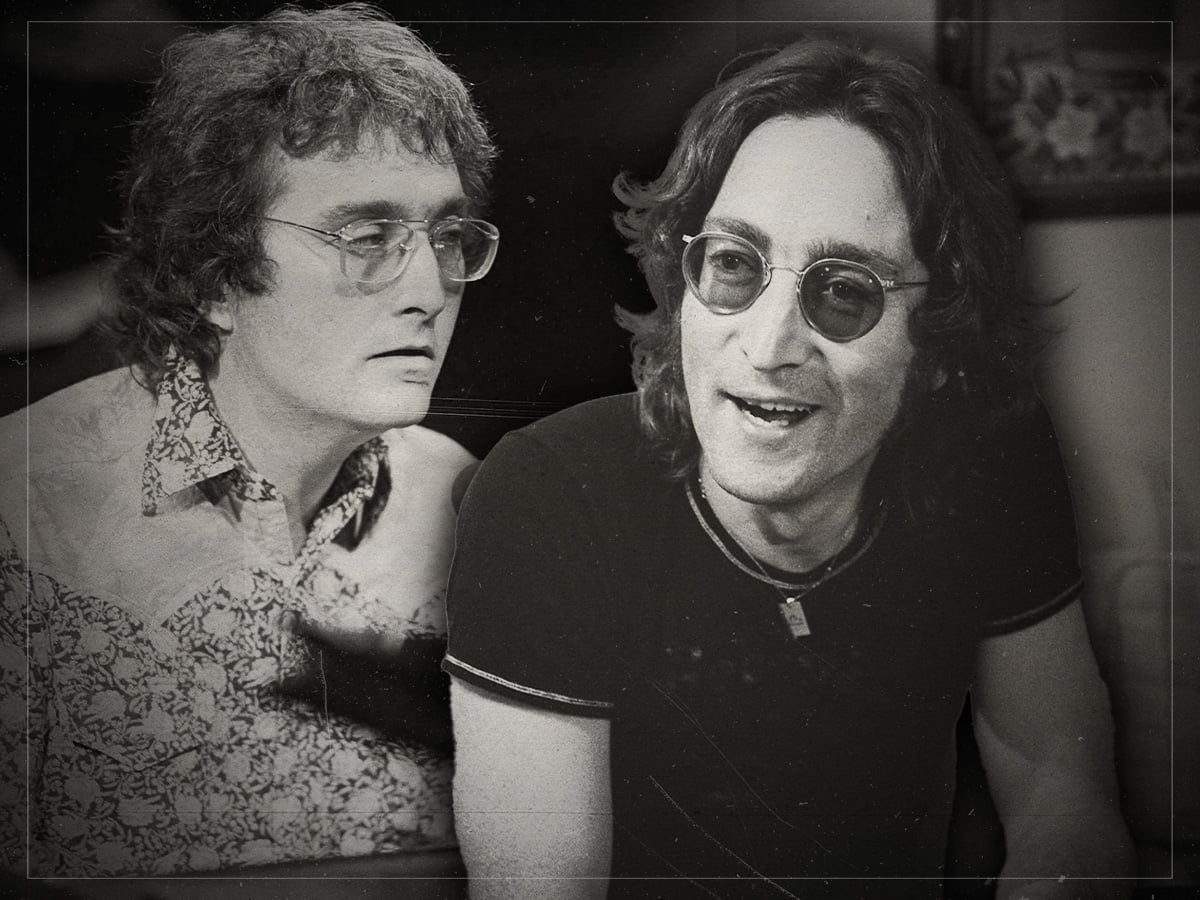
Lennon’s feelings weren’t an isolated take, though. Randy Newman was in agreement with him as another act who never seemed to get Mitchell’s power.
“Occasionally, I’ll get briefly angry at the veneration accorded some writers, who the generation decides to give a free ride. Joni being worshipped is an odd thing for me,” he said, truly baffled by why Mitchell is so historically celebrated.
For both Lennon and Newman, the overwhelming and enduring love for Mitchell was just kind of confusing, as they simply saw her as overrated.
Related Topics