
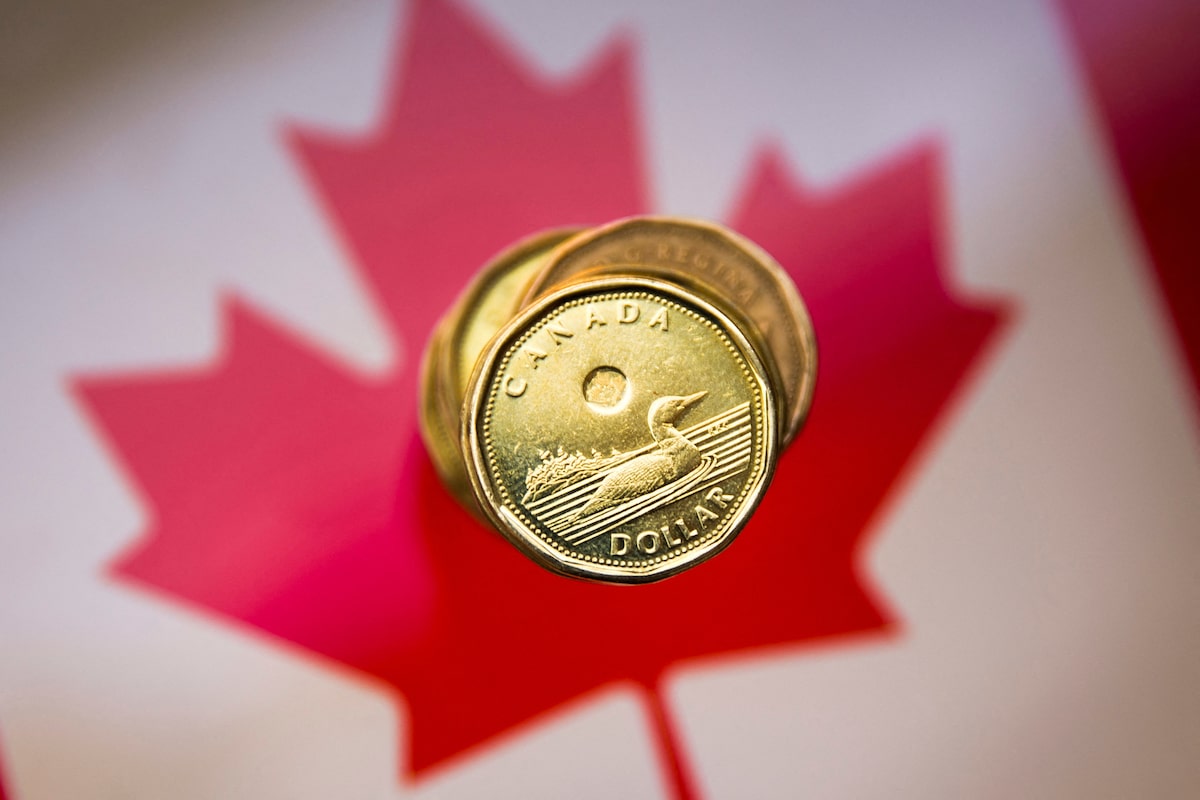
Coming into 2025, most predictions for the loonie had Canada’s currency headed in one direction against the U.S. dollar: down.
That’s not how the year unfolded, of course. Once U.S. President Donald Trump unveiled the full sweep of his tariff plan on his so-called Liberation Day, his country’s currency – along with U.S. Treasuries – began to tumble.
By this week, the U.S. dollar had dropped nearly 5 per cent against the loonie.
But compared to many of the world’s most popular currencies, the Canadian dollar didn’t fare nearly as well. In fact, 12 of the 20 most-traded currencies outperformed the Canadian dollar, according to the Bank for International Settlements.
Incidentally, they represent some of the more popular alternative destinations for Canadians who have been boycotting travel to the U.S., and include the euro, the British pound and the Mexican peso. As a result, Canadians travelling to those countries and regions have felt the pinch of relatively higher prices.
On the flip side, those visiting South Korea and India stood to benefit, particularly in the case of latter. India’s rupee, the worst-performing currency in Asia, struggled this year as Mr. Trump’s tariffs and the lack of a U.S.-India trade deal led to an outflow of investment from the country.
Here’s how this collection of popular currencies performed against the loonie.
Decoder is a weekly feature that unpacks an important economic chart.