
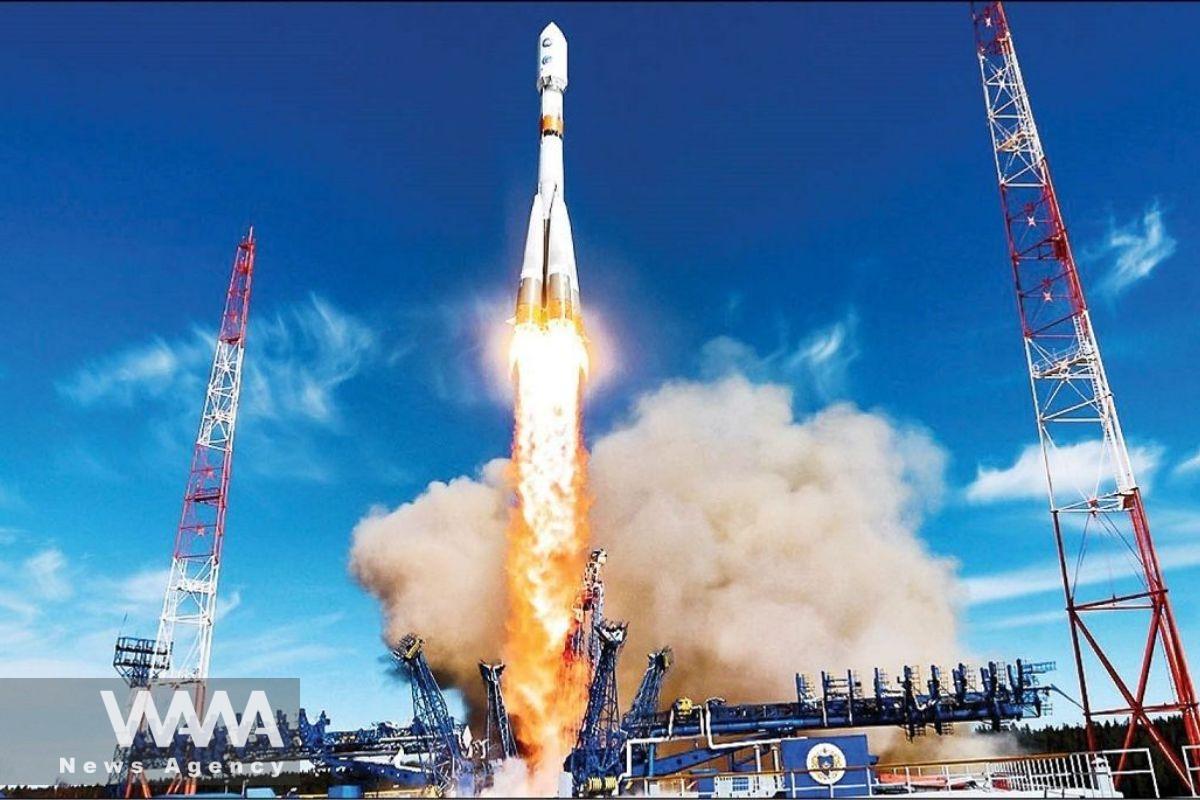
WANA (Dec 25) – While Iranian aerospace specialists at the University of Science and Technology have previously achieved successes such as placing the “Navid,” “Tadbir,” and “Zafar 1” satellites into orbit, now, after four years of continuous effort by young Iranian scientists, the new “Zafar 2” satellite, along with two other satellites, is ready for its mission.
Technical Features of the Zafar 2 Satellite
Dr. Hossein Bolandi, Head of the Space Research Center at the University of Science and Technology, stated regarding the technical details of this achievement:
The Zafar 2 satellite consists of 84 different pieces of equipment and over 64,000 parts, all of which were designed and assembled by domestic specialists.
Compared to its predecessor (Zafar 1), this satellite features a 34% improvement in resolution and imaging accuracy.
Unlike previous models that sent black-and-white images, Zafar 2 is equipped with a high-quality color camera.
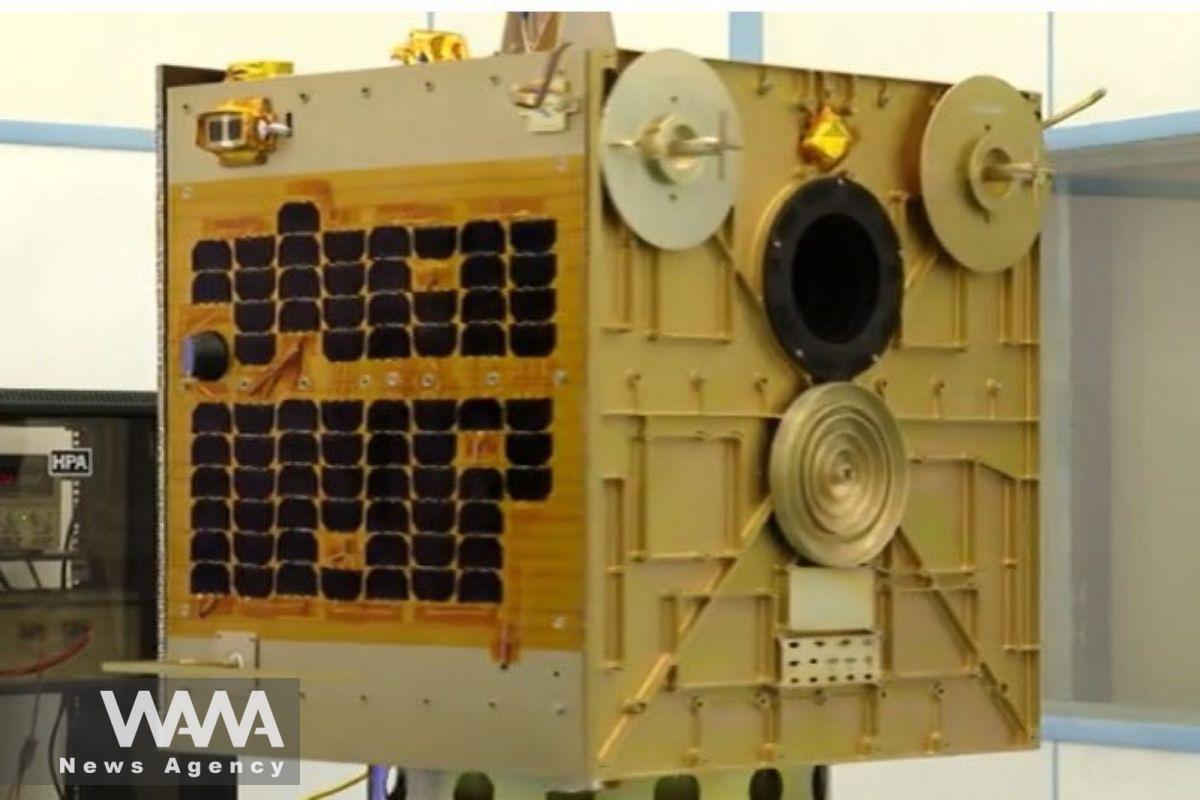
Paya (Tolou-3) satellite. Social media/ WANA News Agency
Communication and Operational Capabilities
Zafar 2 is not just an imaging tool; it possesses extensive communication capabilities:
It provides the possibility of simultaneous communication for 256 users.
Users can exchange hundreds of lines of information from remote areas with ground stations.
The satellite has the capacity to image 2,000 square kilometers of the Earth’s surface on a daily basis.
Practical Applications in Improving Quality of Life
This space achievement will be utilized in various fields, including:
Meteorology and Geology.
Crisis Management: Precise monitoring of natural disasters such as earthquakes.
Transportation: Monitoring and coverage of the country’s road networks.
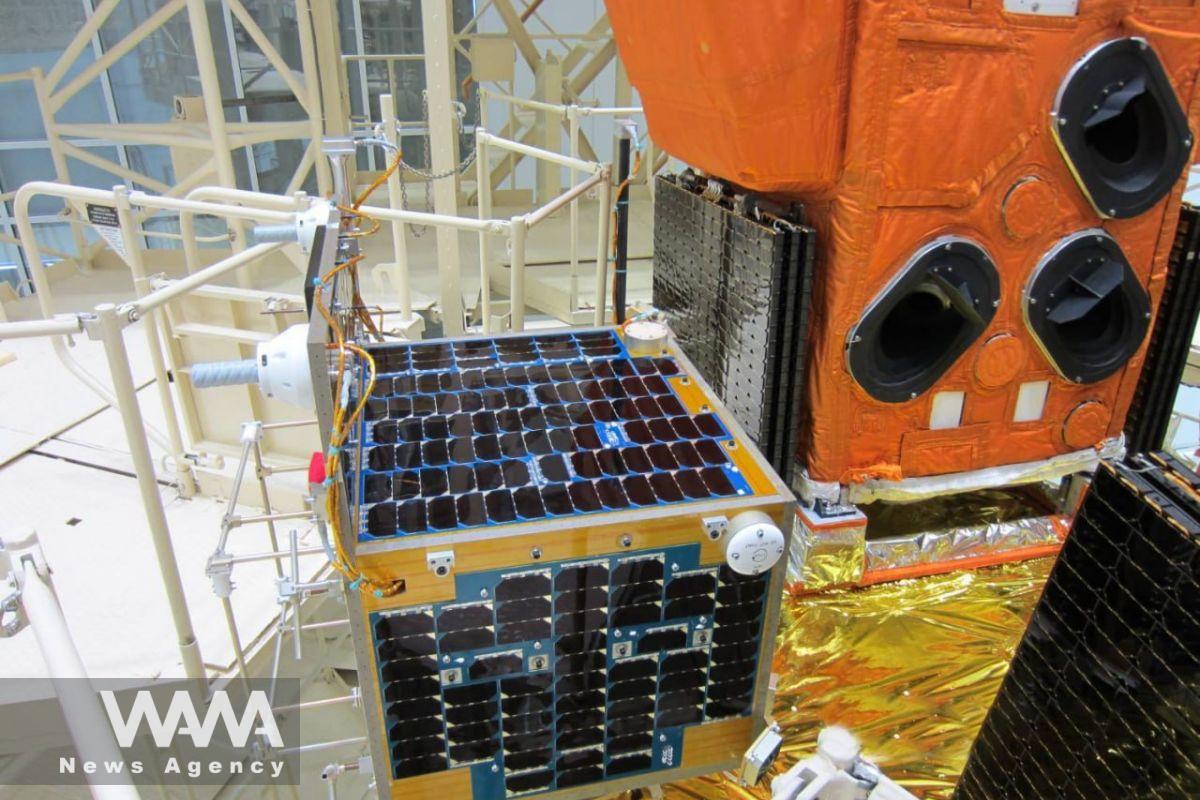
Integration of Zafar-2 and Paya Satellites onto the Soyuz Launch Vehicle. Social media/ WANA News Agency
The Upcoming Mission
According to Hassan Salarieh, Head of the Iranian Space Agency, the Zafar 2 satellite, along with two other satellites named “Paya” and “Kowsar 1.5” (the second version of Kowsar), are scheduled to be placed into orbit in the coming week. All three are sensing satellites with color imaging capabilities, representing another milestone for the country’s space industry.
The three domestically developed Iranian satellites are scheduled to be launched into space aboard Russia’s Soyuz launch vehicle on December 28 at 04:48 P.M. Iran time. The LEO orbit will host three Iranian satellites, which will be launched simultaneously from Russia’s Vostochny Cosmodrome.