
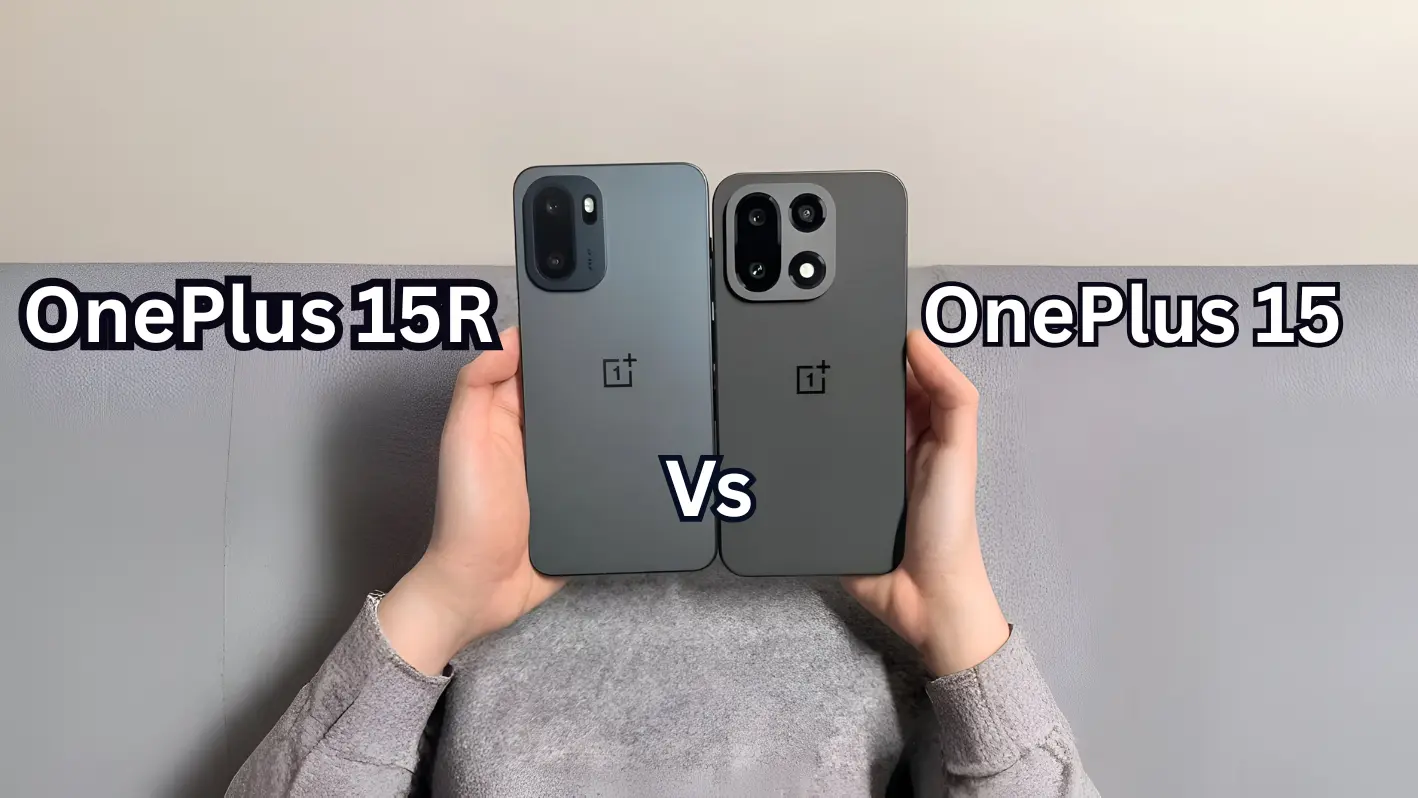
A detailed, unbiased comparison to help you choose between OnePlus’s flagship and its value-focused sibling.
The battle between OnePlus 15 vs OnePlus 15R is the most interesting flagship comparison in India right now. OnePlus has positioned both phones cleverly – the OnePlus 15 as the ultimate flagship experience starting at ₹72,999, and the OnePlus 15R as a performance-first alternative at ₹47,999.
The OnePlus 15 comes powered by the Snapdragon 8 Elite Gen 5 chipset, sports a 6.78-inch LTPO AMOLED display with 165Hz refresh rate, features a triple 50MP camera setup with 3.5x telephoto, packs a 7,300mAh battery with 120W wired and 50W wireless charging, and runs Android 16 with OxygenOS 16.
The OnePlus 15R, on the other hand, debuts the Snapdragon 8 Gen 5 processor, offers a slightly larger 6.83-inch LTPS AMOLED display at 165Hz, includes a dual 50MP + 8MP camera system, and houses an even larger 7,400mAh battery with 80W fast charging.
This comparison is for Indian buyers who want to understand the real-world differences between these two phones. We’ll break down performance, display, camera, battery, and value to help you make the right choice.
OnePlus 15 vs OnePlus 15R: Quick Specs Comparison
SpecificationOnePlus 15OnePlus 15RProcessorSnapdragon 8 Elite Gen 5Snapdragon 8 Gen 5Display6.78″ LTPO AMOLED, 165Hz6.83″ LTPS AMOLED, 165HzResolution1.5K (1272 x 2772)1.5K (1272 x 2800)RAM & Storage12GB/256GB, 16GB/512GB12GB/256GB, 12GB/512GBRear Cameras50MP Main + 50MP Telephoto (3.5x) + 50MP Ultrawide50MP Main + 8MP UltrawideFront Camera32MP with Autofocus32MP with AutofocusBattery7,300mAh7,400mAhCharging120W Wired + 50W Wireless80W Wired OnlySoftwareAndroid 16, OxygenOS 16Android 16, OxygenOS 16Starting Price (India)₹72,999₹47,999
Performance Comparison: Real-World Perspective
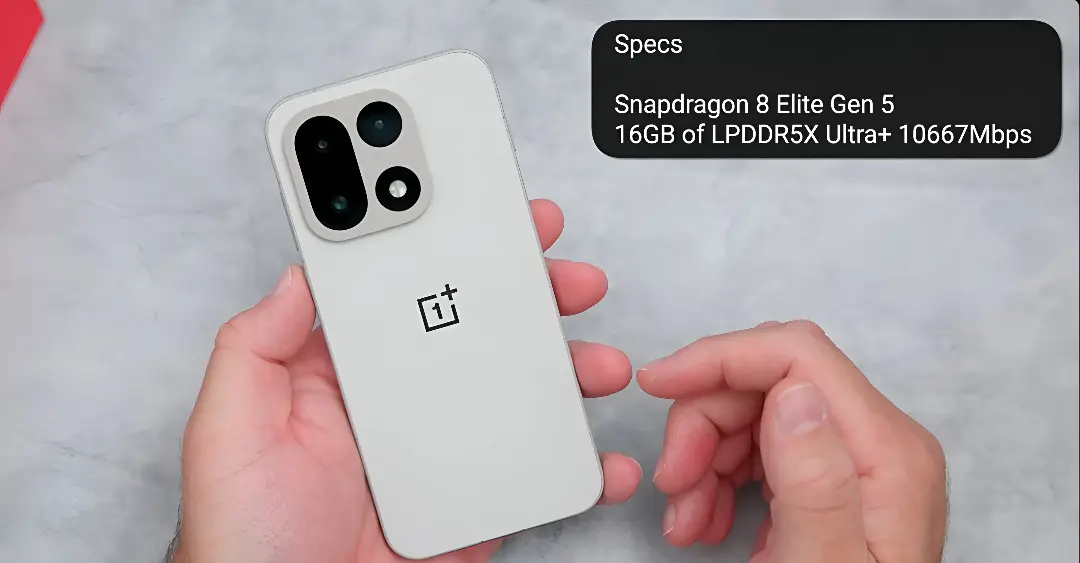
Snapdragon 8 Elite Gen 5 vs Snapdragon 8 Gen 5
Here’s where things get interesting. The OnePlus 15 uses Qualcomm’s top-tier Snapdragon 8 Elite Gen 5, while the 15R debuts the Snapdragon 8 Gen 5 (without the “Elite” moniker). Both chips use the same third-generation Oryon CPU cores, but there are meaningful differences.
The Elite variant clocks its prime cores at 4.61GHz compared to 3.8GHz on the non–Elite. In benchmarks, the Elite chip leads by roughly 15-22% in CPU tasks and around 30-34% in GPU performance. The Elite also includes High–Performance Memory (18MB dedicated memory) that the regular 8 Gen 5 lacks.
Does This Matter for Daily Use?
For 90% of users – honestly, no. Both chips handle everyday tasks like scrolling social media, browsing, video calls, and moderate gaming without breaking a sweat. You won’t notice the difference in app launches or general navigation.
Where you will notice the difference:
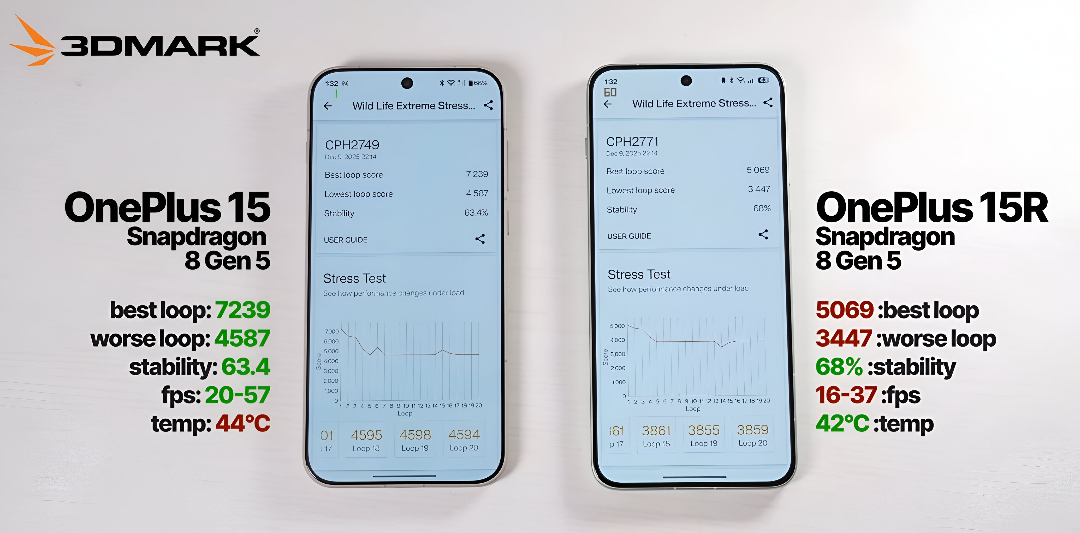
Extended Gaming Sessions: The OnePlus 15’s Elite chip maintains higher sustained performance during 30+ minute gaming sessions. The 15R performs admirably but throttles slightly more under prolonged stress.
Video Editing & Heavy AI Workloads: If you edit 4K videos on your phone or use intensive AI features regularly, the Elite chip’s extra headroom becomes noticeable.
Thermal Management: Interestingly, the OnePlus 15R runs cooler than the OnePlus 15 during stress tests. The 15R’s external temperature stays around 35° to 42°C while the 15 reaches 38° to 48°C. The less aggressive clock speeds on the 15R actually work in its favor here.
Gaming Performance
Both phones support 165fps gaming in supported titles like Call of Duty: Mobile. The OnePlus 15R handles BGMI and COD:M at high settings without frame drops. The OnePlus 15 offers more headroom for maxed-out graphics settings with ray tracing enabled. For competitive gaming where you need absolute consistency at maximum settings, the OnePlus 15 has the edge. For casual to enthusiast gaming, the 15R delivers an excellent experience.
Display Differences Explained Simply
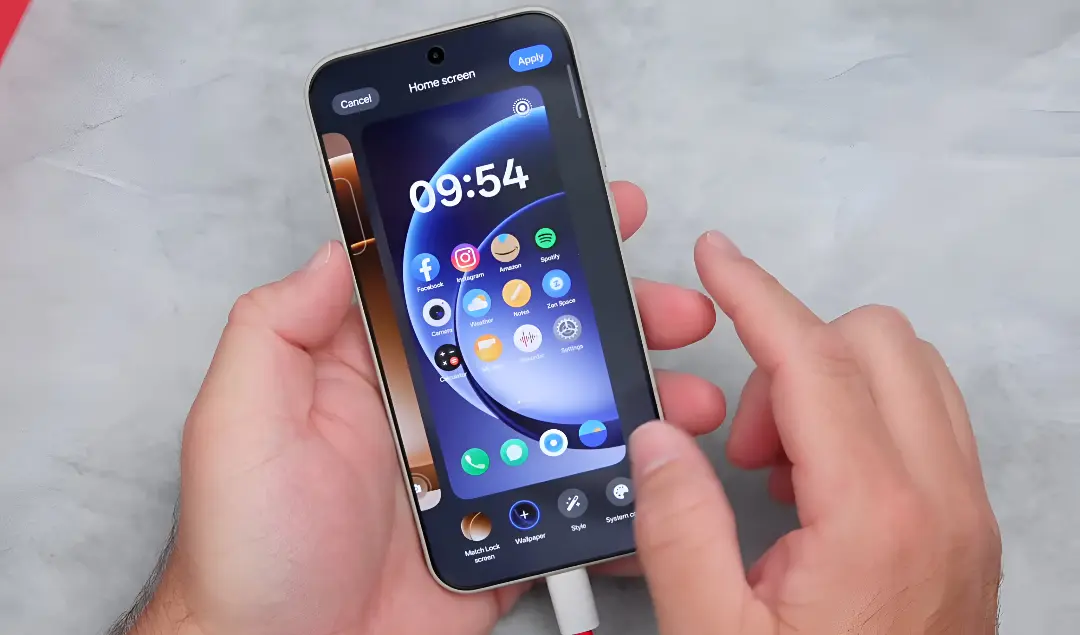
LTPO vs LTPS: What It Means for You
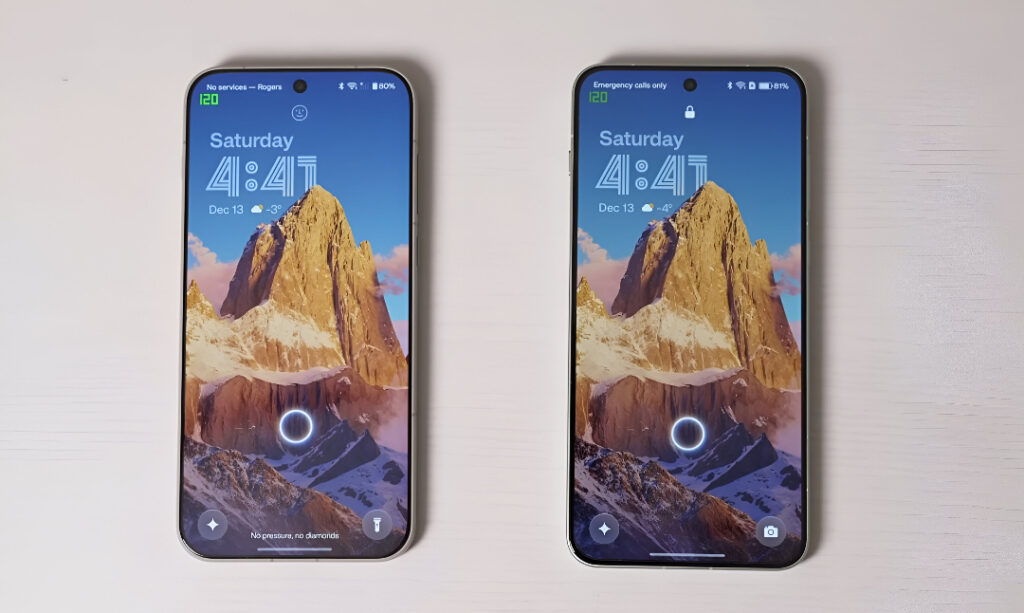
The OnePlus 15 uses an LTPO AMOLED panel while the 15R uses LTPS AMOLED. Here’s the practical difference:
LTPO (OnePlus 15): Can dynamically adjust refresh rate from 1Hz to 165Hz based on content. When you’re reading a static webpage or viewing a photo, it drops to 1Hz to save battery. During active scrolling or gaming, it ramps up instantly.
LTPS (OnePlus 15R): Switches between fixed refresh rates – 60Hz, 90Hz, 120Hz, 144Hz, and 165Hz. The lowest it can go is 60Hz, which means slightly higher power draw during static content consumption.
Real-World Impact
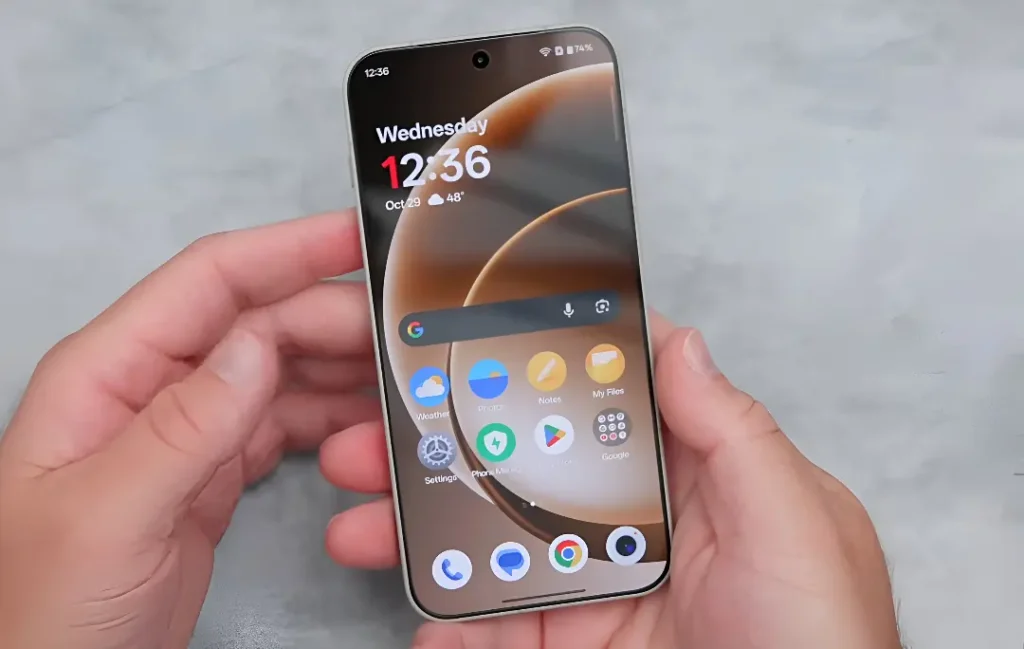
For most usage scenarios, both displays feel equally smooth and responsive. The 165Hz peak refresh rate is identical, and both panels look stunning with vibrant colors and deep blacks. The LTPO advantage primarily shows up in:
Always-On Display: The OnePlus 15 is more battery–efficient with AOD enabled since it can run at 1Hz.
Reading & Static Content: The 15 saves power when you’re reading articles or looking at photos.
Brightness & Quality: Both phones hit 1,800 nits peak brightness and offer excellent outdoor visibility. However, 15R actually has slightly better flicker characteristics in testing, making it potentially more comfortable for sensitive users during extended use.
Screen Size Consideration
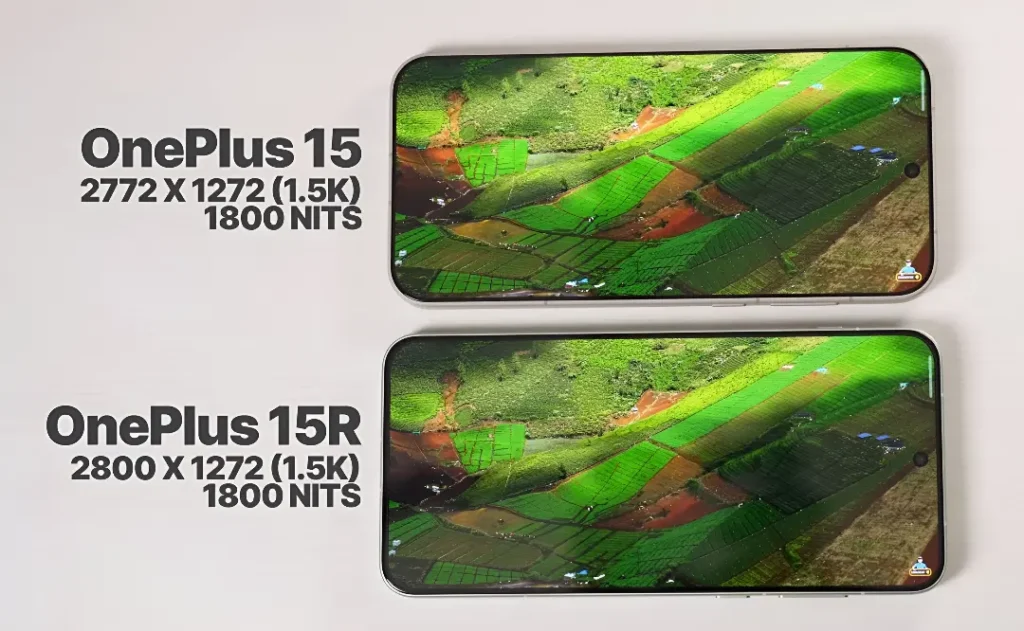
The 15R’s 6.83-inch display is marginally larger than the 15’s 6.78-inch panel. If you prefer a slightly more compact device, the OnePlus 15 is the better choice. If you want maximum screen space for media consumption, the 15R has a slight advantage.
Camera Comparison: Practical Usage
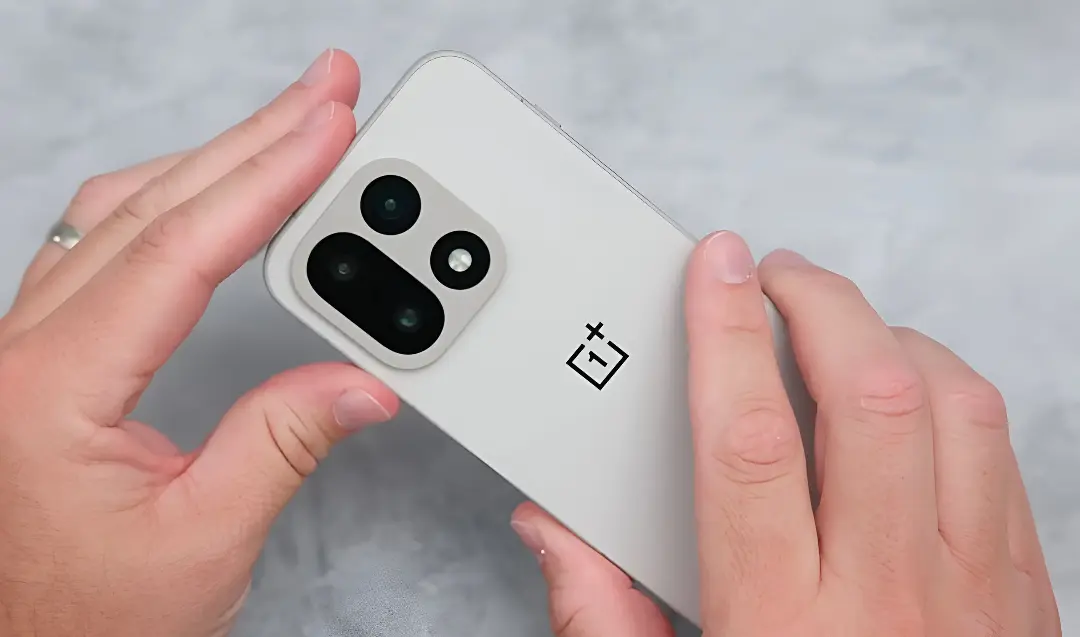
This is where the OnePlus 15 vs OnePlus 15R comparison gets most significant. The camera systems are fundamentally different.
OnePlus 15 Camera System
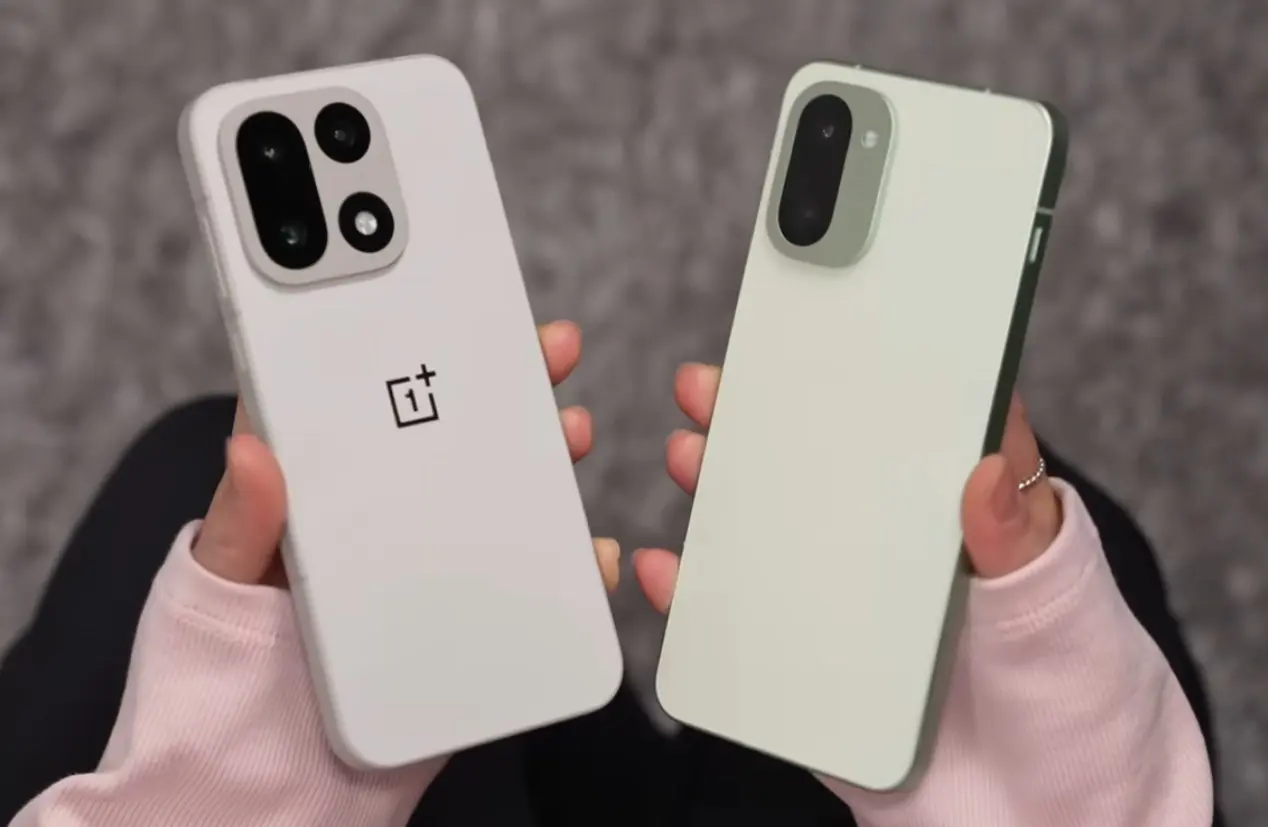
The OnePlus 15 features a complete triple 50MP system: a main sensor (Sony IMX906), a 3.5x periscope telephoto (Samsung JN5), and an ultrawide (OmniVision OV50D). OnePlus has introduced its new DetailMax Engine, replacing the Hasselblad partnership, focusing on natural colors and improved detail preservation.
What works well: The telephoto camera offers genuine 3.5x optical zoom with usable 7x hybrid zoom. Portrait shots at 85mm equivalent look professional. Video recording supports 4K at 120fps with Dolby Vision.
OnePlus 15R Camera System
The 15R takes a controversial step backward – it removes the telephoto lens entirely. You get the same 50MP main sensor (Sony IMX906) but paired with just an 8MP ultrawide. The front camera is upgraded to 32MP with autofocus, which is a nice improvement for selfie lovers.
The honest truth: The 8MP ultrawide is disappointing for a phone at this price. It produces noticeably softer images compared to competitors. The main camera performs well in good lighting, but the lack of any telephoto capability is a real limitation.
When the Camera Difference Matters
The OnePlus 15 is clearly better for: Portrait photography with natural background blur, shooting distant subjects (concerts, wildlife, sports), content creators who need versatile focal lengths, and anyone who regularly uses zoom functionality.
The OnePlus 15R is acceptable for: Social media photos in good lighting, casual photography, and video calls. If you primarily shoot wide-angle shots and don’t zoom often, the main camera delivers solid results.
Low-light performance: The OnePlus 15 has a clear advantage with better-optimized sensors and the Clear Night Engine. The 15R manages decent night shots from the main camera but struggles with the ultrawide after dark.
Battery Life & Charging Comparison
Battery Capacity & Endurance
Both phones pack massive batteries – the OnePlus 15R actually has a slightly larger 7,400mAh cell compared to the 15’s 7,300mAh. In real-world usage, both easily last through a full day of heavy use. The 15R potentially edges ahead in screen-on time due to its larger battery and the less power-hungry (but less efficient at idle) LTPS panel.
Both phones use Silicon Nanostack battery technology and are rated to retain 80% capacity after four years of use – excellent for long-term ownership.
Charging Speed & Options
Here’s where the OnePlus 15 pulls ahead significantly:
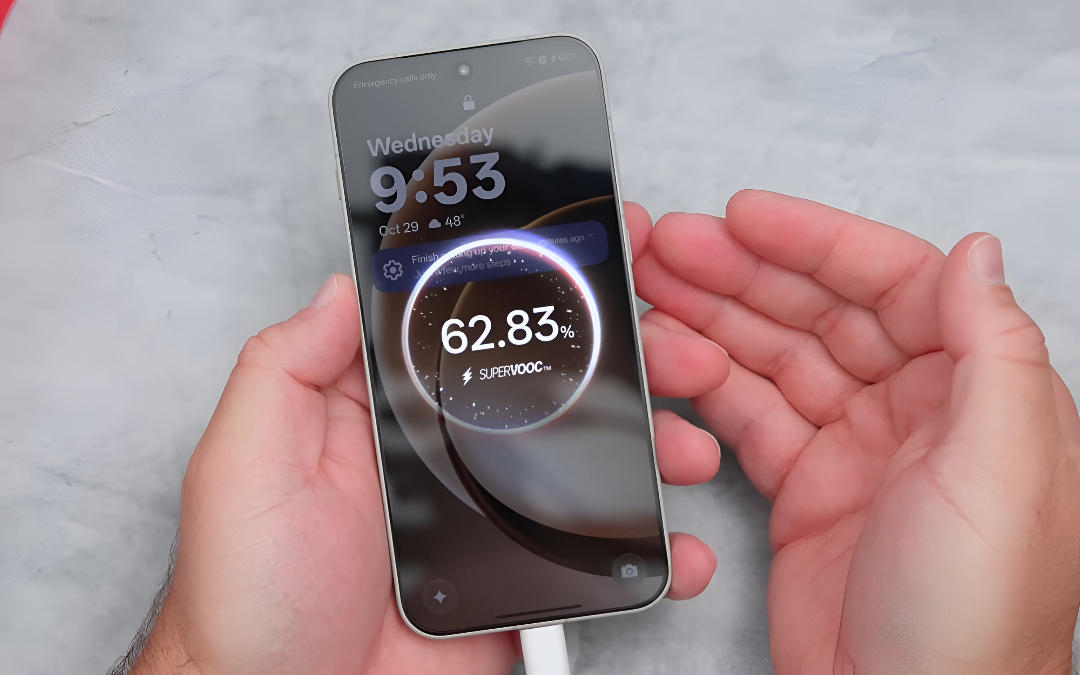
OnePlus 15: 120W wired charging (0-100% in ~40 minutes) + 50W wireless charging + 10W reverse wireless charging. The wireless charging is a major convenience feature that the 15R lacks entirely.
OnePlus 15R: 80W wired charging only. Still fast, but noticeably slower than the 15. No wireless charging option means you’re always tethered to a cable.
Who Cares About Wireless Charging?
If you’ve invested in wireless charging infrastructure (car mounts, bedside chargers, desk pads), the OnePlus 15’s 50W wireless charging is genuinely useful. At 50W, it’s fast enough to be practical. The 15R’s omission of wireless charging is a clear cost-cutting measure.
Software & Update Experience
OxygenOS 16 on Both Phones
Both the OnePlus 15 and 15R ship with Android 16-based OxygenOS 16 out of the box. The software experience is essentially identical – you get the same AI features (Mind Space, Gemini integration), the same animations, and the same customization options.
OxygenOS 16 introduces improved animations, better AI integration, and the new “Plus Key” that replaces the traditional alert slider. Both phones benefit from seamless file sharing with Windows, Mac, and even iPhones.
Update Support
OnePlus has committed to 4 major Android updates and 6 years of security patches for both phones. This means you can expect Android 17, 18, 19, and 20 on both devices. For long-term value, both phones are equally future-proof from a software perspective.
Price & Value for Money Analysis (India-Focused)
The Price Gap
The OnePlus 15 starts at ₹72,999 (12GB/256GB) while the OnePlus 15R starts at ₹47,999 (12GB/256GB). That’s a ₹25,000 difference – a significant gap that could buy you a decent pair of earbuds, a smartwatch, or even accessories for years.
Paying the premium for the OnePlus 15 gives you: Snapdragon 8 Elite Gen 5 (faster processor), triple camera with 3.5x telephoto, LTPO AMOLED display (more power-efficient), 120W wired + 50W wireless charging, and slightly more premium build materials.
Why OnePlus 15R May Be Better Value
For most Indian users, the OnePlus 15R delivers 90% of the flagship experience at 65% of the price. The Snapdragon 8 Gen 5 is plenty fast for everything most people do. The 165Hz display is equally smooth for gaming. The 7,400mAh battery lasts just as long (or longer).
The main sacrifices – no telephoto camera, no wireless charging, slightly slower wired charging – may not matter to everyone. If you’re not a photography enthusiast and primarily charge via cable, the 15R represents exceptional value.
Pros and Cons
OnePlus 15 – Pros
Best-in-class performance with Snapdragon 8 Elite Gen 5
Versatile triple camera with excellent 3.5x telephoto
LTPO display with true 1-165Hz variable refresh
50W wireless charging support
Blazing fast 120W wired charging
OnePlus 15 – Cons
High starting price at ₹72,999
Runs slightly warmer under sustained load
Hasselblad partnership discontinued
OnePlus 15R – Pros
Excellent value at ₹47,999
Massive 7,400mAh battery for all-day use
Snapdragon 8 Gen 5 delivers flagship-grade performance
Cooler thermals during gaming
Same 165Hz display and software support as OnePlus 15
OnePlus 15R – Cons
No telephoto camera – major downgrade from predecessor
Weak 8MP ultrawide camera
No wireless charging
LTPS display less efficient than LTPO
Final Verdict: Which One Should You Buy?
After analyzing every aspect, here’s our recommendation based on your priorities:
Buy the OnePlus 15 If:
You’re a camera enthusiast who values versatile photography with a proper telephoto lens. The 3.5x optical zoom makes a real difference for portraits and distant subjects.
You need wireless charging and have invested in a wireless charging ecosystem at home, office, or in your car.
You’re a power user who pushes their phone with video editing, demanding games at max settings, or AI-heavy workloads.
Budget is not a primary concern and you want the most complete OnePlus flagship experience available.
Buy the OnePlus 15R If:
Performance and battery life are your priorities. The 15R delivers excellent performance that will handle everything most users need.
You’re a gamer who wants the 165Hz display and strong gaming performance without paying flagship prices.
Camera is not your top priority. If you mainly take casual photos and don’t use zoom much, the main camera is good enough.
You want to save ₹25,000 and invest that money elsewhere – accessories, subscriptions, or simply savings.
The Bottom Line
For most Indian buyers, the OnePlus 15R offers the smarter purchase. It delivers the core OnePlus flagship experience – fast performance, smooth display, excellent battery life – at a more accessible price point. The camera compromises are real, but if photography isn’t your primary use case, the 15R won’t disappoint.
The OnePlus 15 is for those who want no compromises. If you value versatile cameras, wireless charging convenience, and absolute peak performance, the extra ₹25,000 is justified.
Frequently Asked Questions
1. Is OnePlus 15R worth buying over OnePlus 15?
Yes, for most users. The OnePlus 15R costs ₹25,000 less and delivers 90% of the flagship experience. Unless you specifically need the telephoto camera or wireless charging, the 15R offers better value for money.
2. Which OnePlus phone has a better camera?
The OnePlus 15 has a clearly better camera system. It includes a 3.5x telephoto lens and a superior 50MP ultrawide sensor. The 15R’s dual camera setup with an 8MP ultrawide is a noticeable downgrade, especially for zoom and low-light photography.
3. Is the OnePlus 15 worth the extra price?
It depends on your priorities. If you value versatile cameras, wireless charging, and peak performance, yes. If you primarily care about performance and battery life for gaming and everyday use, the 15R is the smarter choice.
4. Which OnePlus phone is better for gaming?
Both phones support 165fps gaming and perform excellently. The OnePlus 15 has more raw power, but the OnePlus 15R runs cooler during extended gaming sessions. For most gamers, the 15R is the better value choice. Serious competitive gamers who want maximum graphics settings should consider the OnePlus 15.
5. Which OnePlus phone should I buy in 2025?
Buy the OnePlus 15R if you want the best value flagship experience in India. Buy the OnePlus 15 if you’re a photography enthusiast or need wireless charging. Both phones offer 4 years of Android updates and 6 years of security patches, making them excellent long-term investments.
6. Does the OnePlus 15R have wireless charging?
No. The OnePlus 15R only supports 80W wired charging. Wireless charging (50W) is exclusive to the OnePlus 15. This is one of the key features you sacrifice to save ₹25,000.
7. Which phone has better battery life?
Battery life is similar on both phones. The OnePlus 15R has a slightly larger 7,400mAh battery compared to the 15‘s 7,300mAh. Both easily last a full day of heavy use. The OnePlus 15 has the advantage of 120W fast charging and wireless charging convenience.