
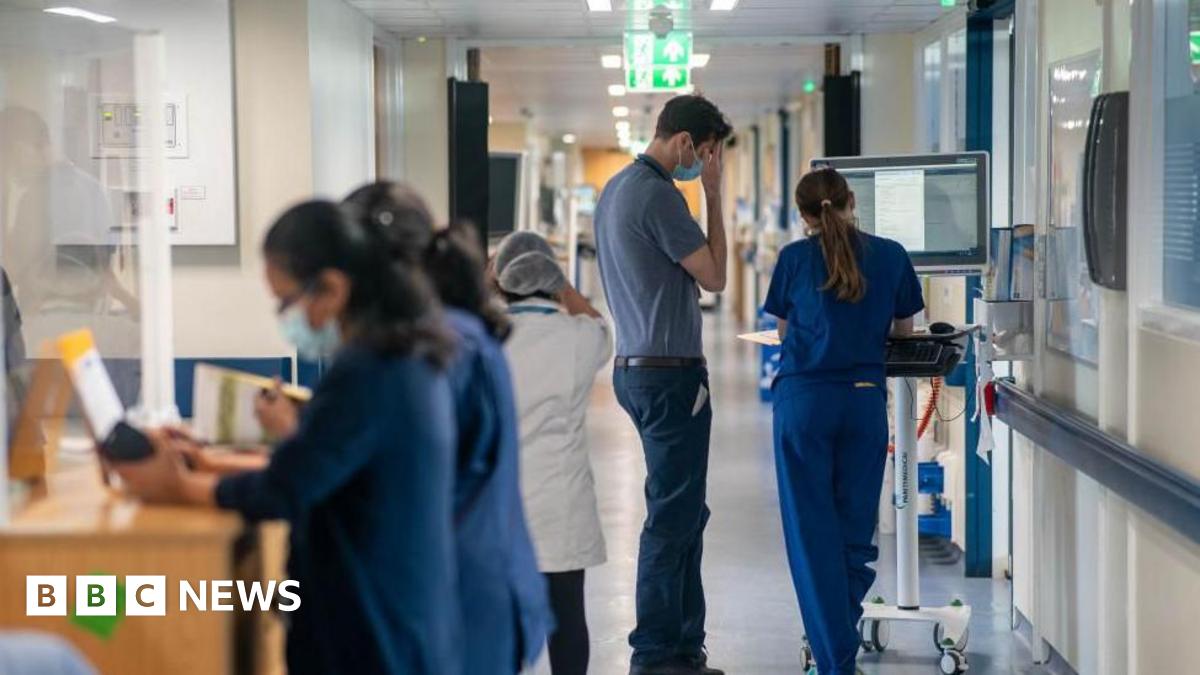
A spokesperson for the NHS in Sussex said it was committed to ensuring that patients have access to the “best possible, high-quality palliative and end-of-life care”.
They said: “This includes providing a range of places for compassionate, person-centred care – and importantly, where possible, in settings out of hospital, such as community settings, and our hospices.
“Emergency care services across Sussex remain under significant pressure but staff continue to work incredibly hard to make sure patients can receive the care they need at our hospitals, and across all our health and care services.
“There is robust partnership work in place over the winter period to support individual care plans, and to ensure that people are in the right NHS service for their needs.”
But the Royal College of Emergency Medicine said delayed discharges were a huge challenge across the NHS, and a lack of social or community care could mean some patients needing end-of-life care and support could not leave hospitals.
Its president, Dr Ian Higginson, said the college was “worried about the number of patients who need end-of-life care who end up in emergency departments, and then hospitals, because the dedicated services they need are not available”.
He said: “Patients who would prefer to be at home may end up in our corridors, which are not the right places for anyone, let alone those who are at the end of their lives.”
One NHS clinician, who wished to remain anonymous, contacted the BBC, saying problems had built up for some time: “End-of-life care delivered in emergency departments, corridors, ambulances, or via unsupported discharges home has become increasingly routine across multiple regions. What is particularly striking is the recurring pattern: hospital beds occupied by dying patients who should never be there and limited or delayed access to hospice or community care.”
The NHS Confederation, which represents NHS leaders, said hospitals can be the “default option” when community and social care provision is under pressure or unavailable.
“The solution is not about asking hospitals alone to absorb more pressure – it is about investing across the whole system,” said Rory Deighton, director of the Confederation’s acute network.