
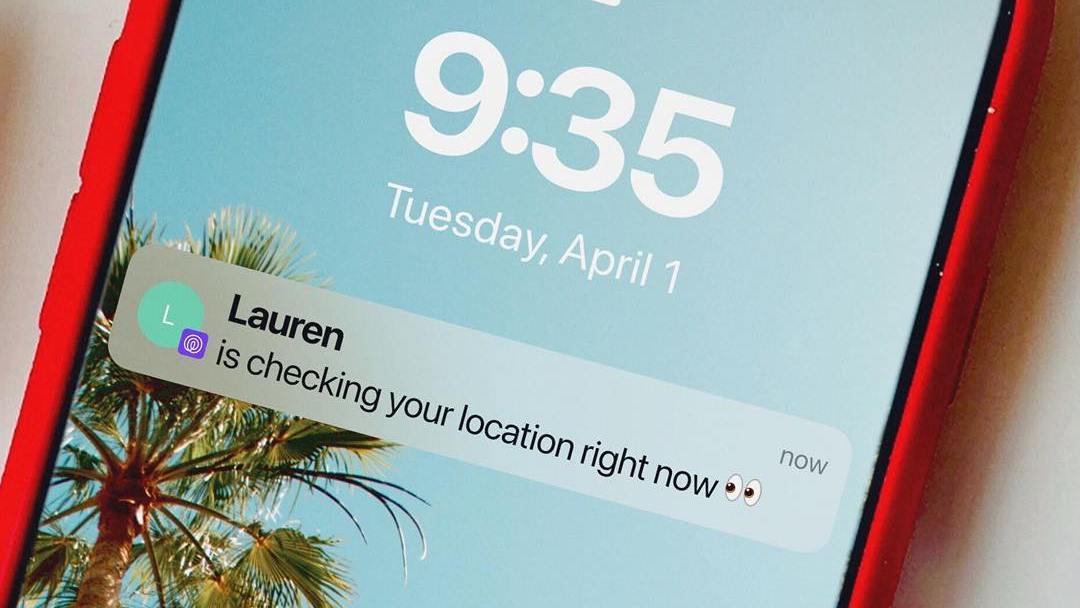
The tracking of children by their parents has become so common that shoe companies are leaving slots for location devices in the heels of trainers. But a coalition of psychologists, doctors, nurses and health professionals believe the practice breeds anxiety in the younger generation and is urging a rethink.
Many parents say the ability to track their children is one of the primary reasons for buying them a smartphone, which will give location updates through the device’s operating system or a specific app.
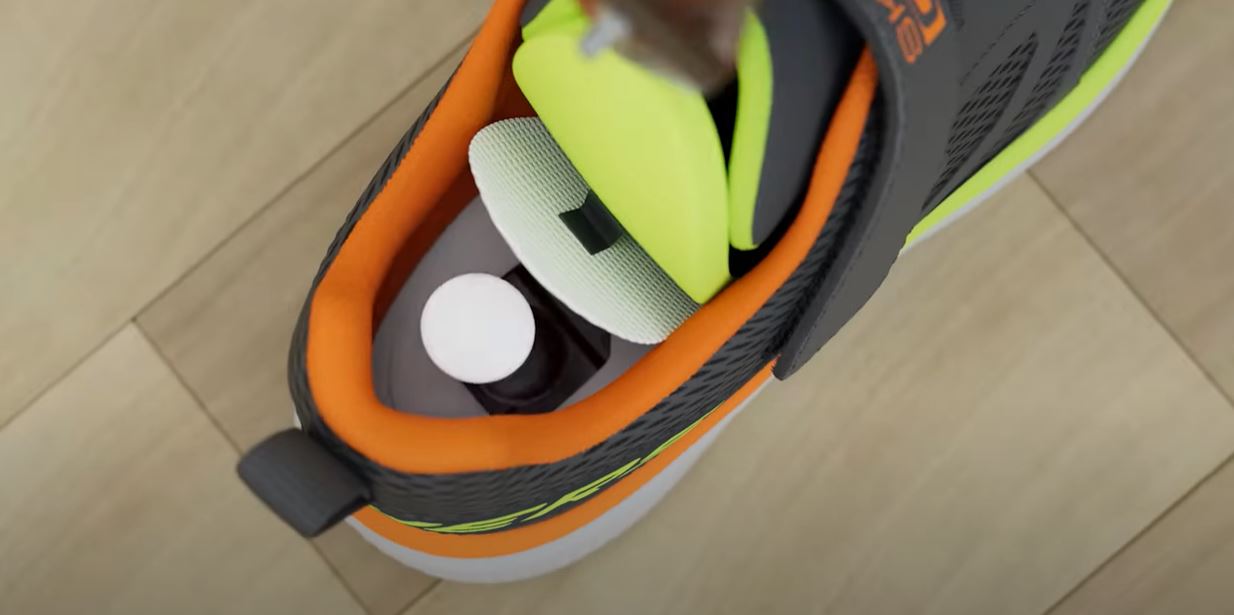
Even those who delay buying their children a phone use tracking devices such as Apple AirTags to keep tabs on them, as Mike and Zara Tindall were spotted doing last year. The footwear company Skechers has created a trainer with an AirTag compartment to help parents do this.
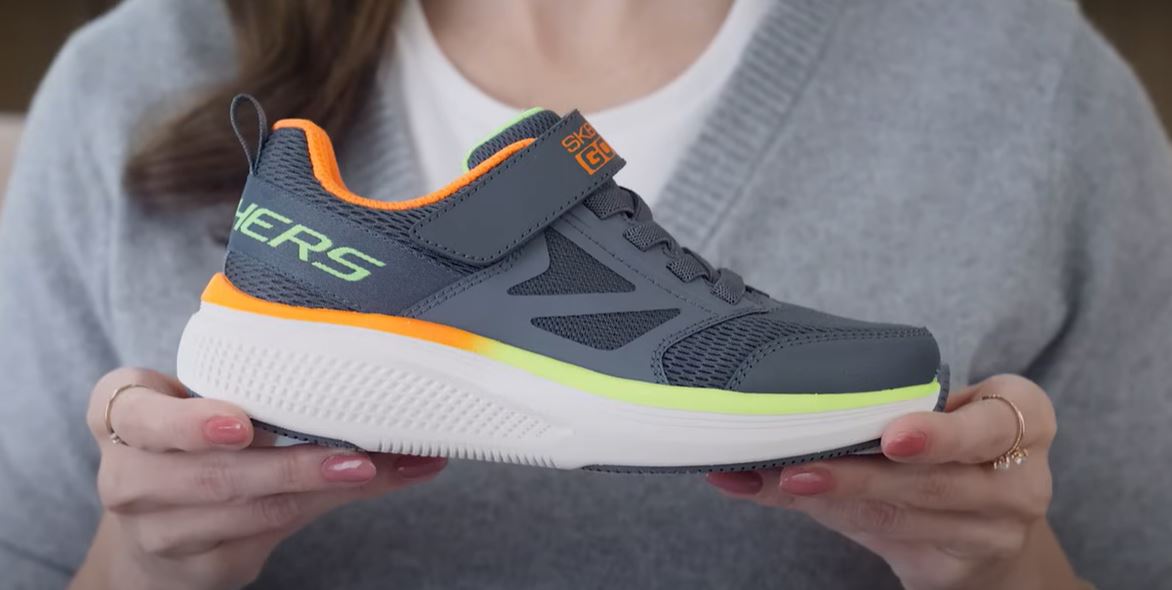
Find My Skechers allows parents to track children via an airtag compartment within a Skechers shoe
However, a group of health experts have said in a letter that they are “deeply concerned about the growing trend”, which they believe is negatively affecting children’s mental health, self-reliance and resilience.
They said: “We urge all parents to pause on tracking, and to reconsider whether the surveillance childhood we are sleepwalking into is really benefiting our children.”
The letter, signed by 74 professionals, has been organised by Generation Focus, a campaign group that is trying to make schools smartphone-free.
• Meet the parents trying to keep their children smartphone-free
They said that “when we track our children, we are implicitly telling them that the world is unsafe”. There is no evidence for this, they added, although carrying a smartphone does increase the risk of being mugged.
They characterised tracking as an “invisible umbilical cord between parent and child”. Maintaining this “undermines a child’s ability to develop a sense of autonomy” and risks “preventing them from learning vital real-life skills, such as learning how to find a safe place and ask for help, and knowing what to do in an emergency without a smartphone”.
The trend for tracking was driven by tech companies that “tap into our deepest parental fears with messaging that tracking makes children safer”, they said.
The group acknowledged there was no academic evidence linking tracking to harm, but its leadership pointed to studies showing a positive link between “helicopter parenting” and anxiety. A causal link remains less concrete.
• Gap-year teens still tracked by helicopter parents — half the world away
Emma Lawlor, 47, a speech and language therapist from Guernsey, is opposed to tracking her daughter, Rosie, 11. She said: “I really feel like it is an issue of trust, and I don’t want to put things in place that suggest I don’t trust my 11-year-old.

Emma Lawlor with her daughters Rosie, 11, and Evelyn, 7
“I really want my daughter, like generations before her, to be able to problem-solve by herself, so if something goes wrong and she’s somewhere that she can’t get home from … she needs to learn those life skills.”
Andrew Wilmot, 30, a project manager from Bournemouth, and his partner, Anna-Maria, are debatingtracking their eight-year-old daughter, who walks part of the way to school. He is against, she is for.
Wilmot, who works in the tech industry, said: “I don’t believe it sends a very good message to your child … it’s increasingly normal for people in relationships to be tracking each other constantly, but I think that sets quite a negative and hostile model for relationships.
“The other aspect is parental anxiety. It’s one of the biggest problems, I think, that parents face today: anxiety about their children’s safety, which isn’t necessarily based in reality.”
Wilmot said recent attacks on women and the prevalence of groups of young men in the town centre had increased fears of crime. Despite this, he said: “A tracking tag isn’t going to protect my daughter from the open drug use, violence and knife crime that we see when we go to Bournemouth town centre.
“The biggest risk to our children is cars and a tracking device isn’t going to help our daughter if she gets hit by a car on the way home from school.
“What parents imagine with tracking is the child getting kidnapped and taken away and being able to save them because they’ve got a tracking tool. But all you’re actually doing is feeding paranoia and anxiety, and that, in turn, harms the child indirectly.”
Chris Field, a consultant child psychiatrist from Sheffield who signed the letter, said: “I know many parents do actually say ‘Well, hang on a minute. We need to track them’. But then you increase their [child’s] anxiety. But actually is it your anxiety you are managing or is it the child’s?”
Lauren Antonoff, chief executive of Life360, a tracking app, said that tracking “supports kids’ independence while keeping everyone connected in a way that feels natural to a generation that already uses digital tools to navigate daily life.
“What we hear from families is that location sharing often reduces anxiety. It’s about peace of mind and removing the friction that comes with co-ordinating busy schedules.
“For many families, it actually expands what kids can do on their own. ‘I know where you are, so you can stay out a little later,’ or ‘You can go a bit farther.’ It creates the trust and transparency that lets parents say ‘yes’ more often.”
Clare Fernyhough, co-founder of Generation Focus, said: “As parents, it’s so normal to want to keep our children safe. But there is no evidence that tracking makes them any safer. By transferring our own parental fears onto them, we risk making them more anxious, whilst simultaneously depriving them of vital opportunities to develop autonomy and resilience.”