
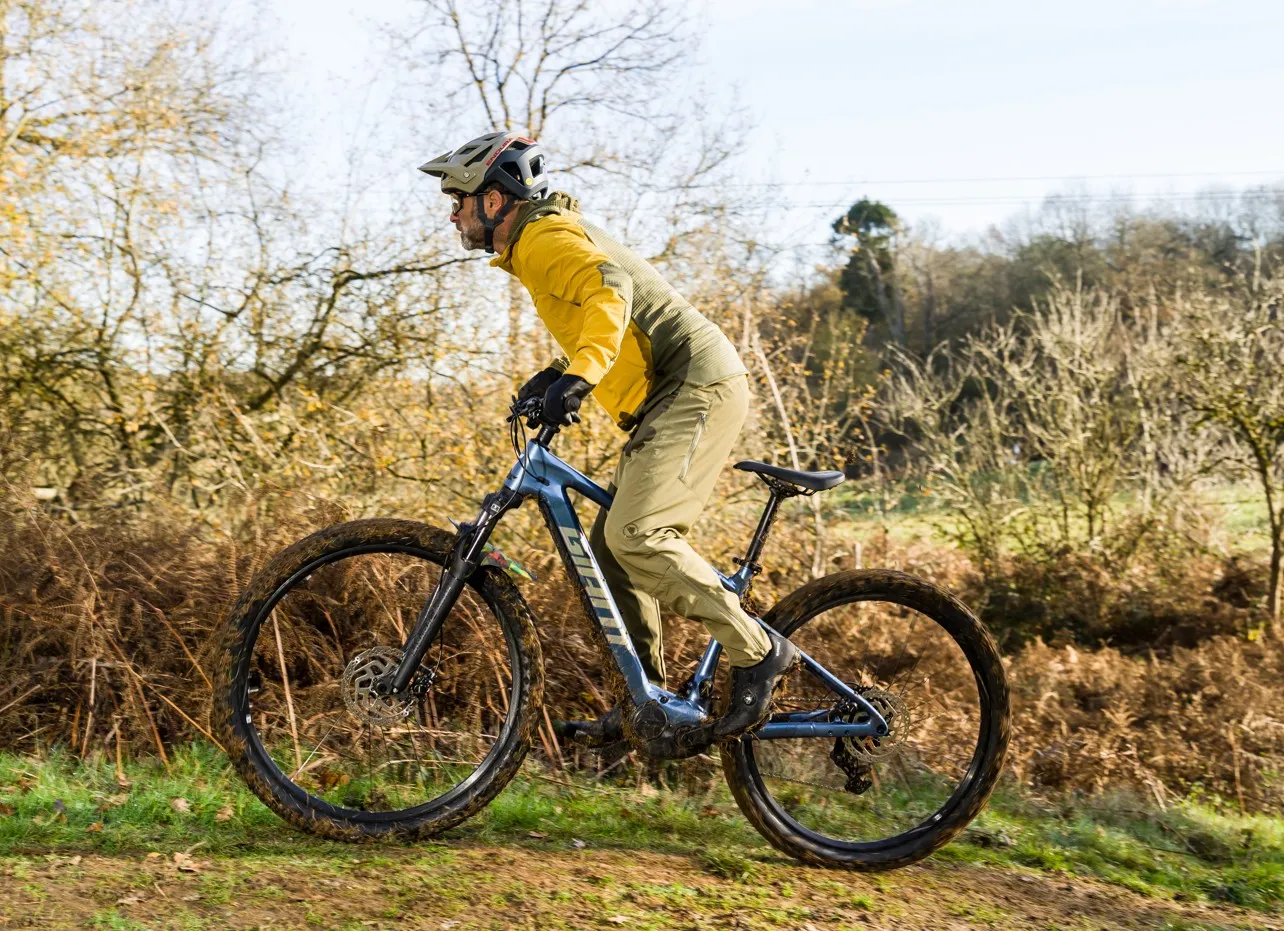
‘Light and tight’. That’s one quickfire way to sum up this review of the 2026 Giant Talon E+ hardtail MTB. This is a bike that will be more than enough for most beginner riders, enable quick progression into the enthusiast riding space and certainly won’t break the bank in the process, making this a super high appeal e-MTB for anyone with off-road ambitions.
Stepping off my usual ‘full fat’ full suspension eMTB, onto the Talon was revelation: I did way less barrelling through and over obstacles, and was obliged look further ahead and select a line of least resistance. A short travel fork, shallow tread tyres and lack of rear bounce brought to mind mountain biking’s earlier days, one where finesse was rewarded with a smoother trajectory.
These are the characteristics of a hardtail electric mountain bike and, truth be told, they can be the perfect starting place to tune your skills before you decide whether a further foray into full suspension electric mountain bikes is necessary for you. Don’t be fooled, we have reviewed many excellent hardtail electric mountain bikes and they are highly capable; many satisfying the brief of opening up light trail centre riding, all the while remaining useful for rides with the family. These are efficient movers and a hardtail will prompt you to become a rider that thinks about their riding in a way that can be tuned out with a rear shock – that is to say a full suspension electric mountain bike may make you a lazier and less skilled rider if it is your starting point on account of just how forgiving they are on ultra rough terrain. A hardtail electric mountain bike brings us back to the essence of mountain biking and all day countryside exploration.
Giant Talon E+ review: The headline details
 Geoff Waugh
£2,299 | View offer
Pros
Light and nimble handling
Fast charging battery
Neat controller with Find My for iPhone users
E-Lock function
Cons
Basic suspension fork
No dropper post
Low tread tyres limit deep off road exploration
Specifications
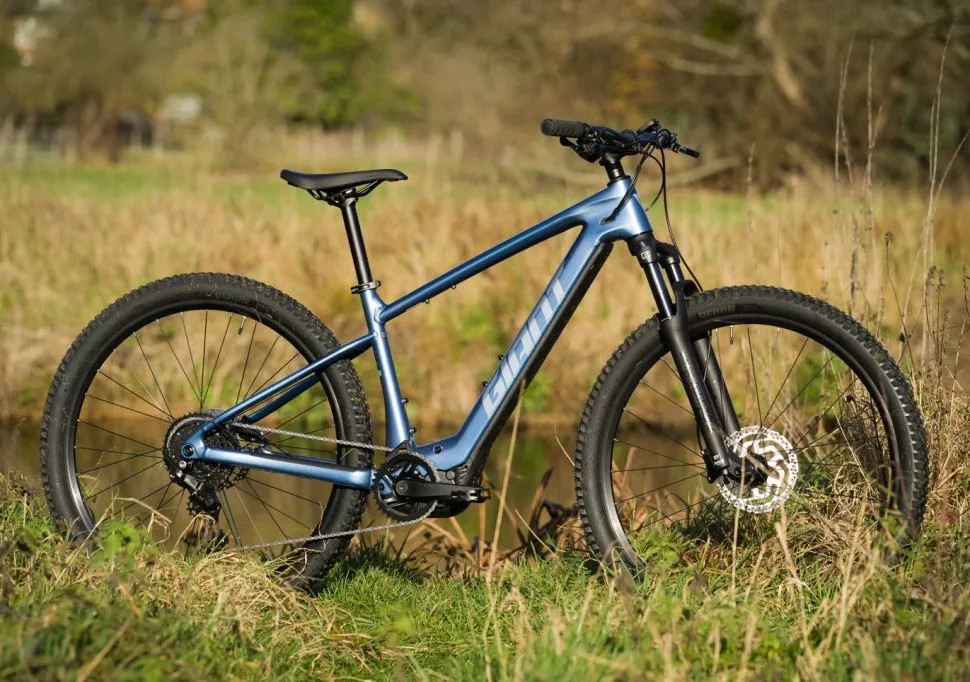
Stated weight: Approximately 21.7kg
Stated range: 130km (eco use) 52km (high)
Frame material: ALUXX aluminium
Motor: Giant SyncDrive Sport 2, 75Nm PedalPlus 6-sensor technology
Battery: Giant EnergyPak Smart 430Wh, Giant EnergyPak Plus 200 range extender compatible.
Drivetrain: Shimano Cues 11-41T, 9-speed
Brakes: Shimano MT200, hydraulic disc, 180mm. MT200 levers [F/R]
Saddle: Giant Ergo Trail ESG
Tyres: Maxxis Rekon 29×2.4in tyres
Suspension: SR Suntour XCM ATB DS coil 29″ 100mm travel 15×110 AH axle
Included accessories:
Giant Talon E+ review: Built for adventure
 Geoff Waugh
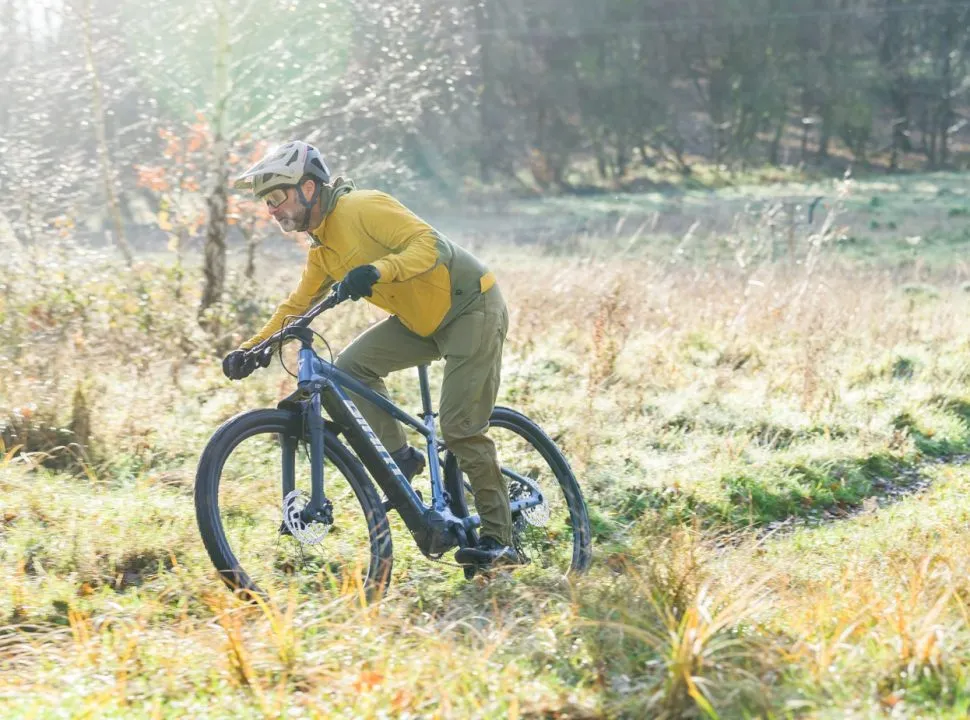
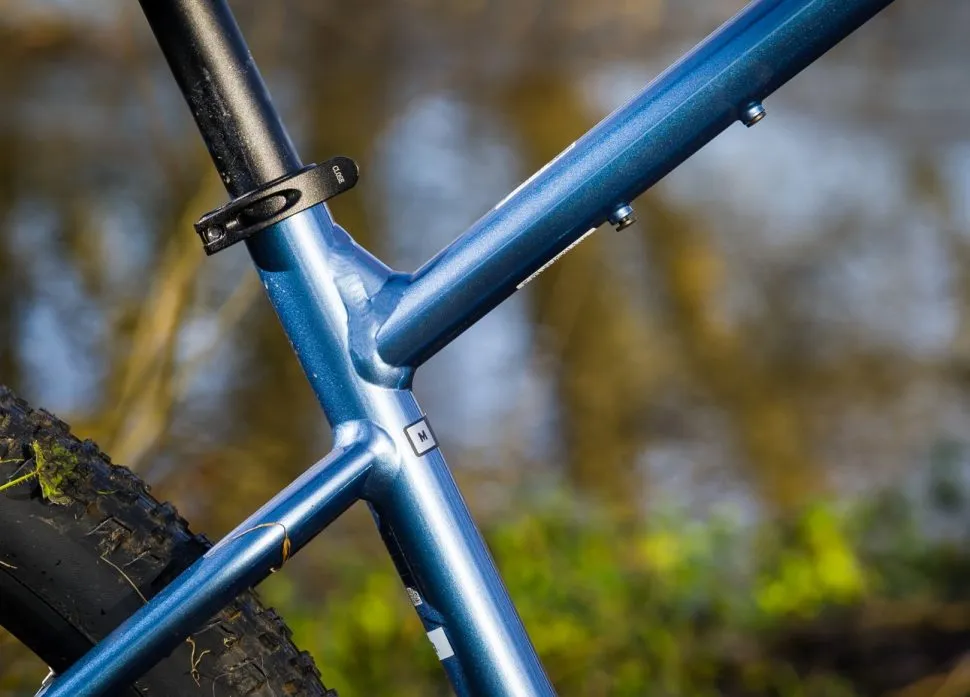
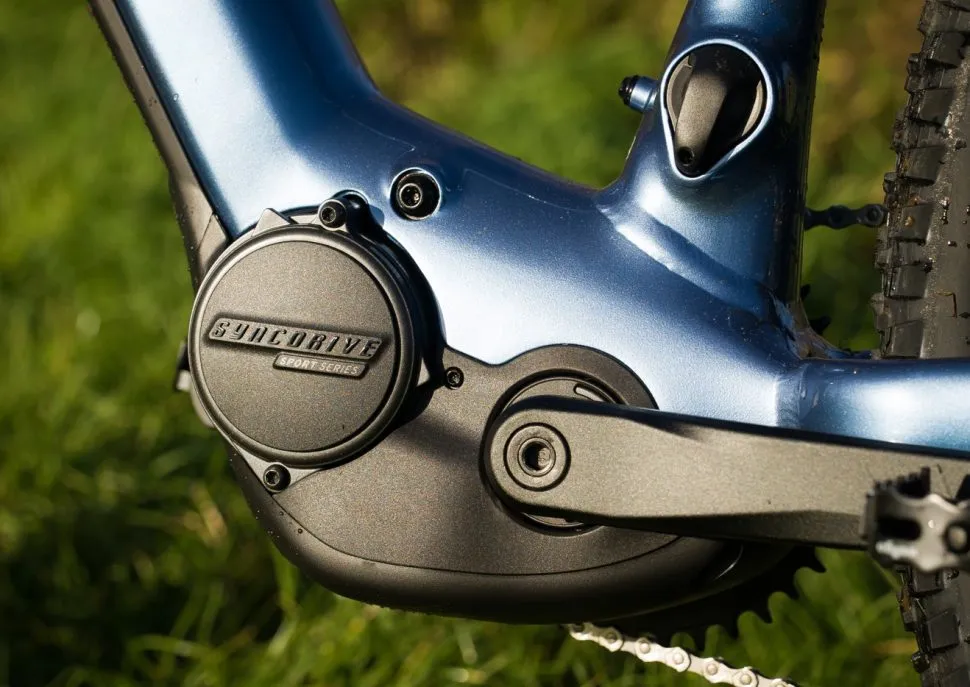
The new Talon E+ is a svelte sub 22kg bike thanks to a small 430Wh battery and the petite Syncdrive 2 motor, allowing Giant’s designers to produce a very slimline and elegant frame. The frameset is made from Giant’s proprietary ALUXX SL aluminium tubing, which is engineered for the company’s higher end bikes, and the result is a claimed 13% weight reduction over last year’s model. What that adds up to is agility and assured-handling on the trails; Giant’s claim that it rides more like a regular hardtail mountain bike is actually rings true.
Nearly as important is that without the burden of convoluted rear suspension, the front triangle is clear to accept two bottle cages and a mount for other accessories, such as the EnergyPak Plus 200 range extender. With its rack/mudguard mounts this makes the bike a very worthy all-rounder; as an XC shredder, a longer distance adventurer or a tough commuting machine.
Related Articles
 Geoff Waugh
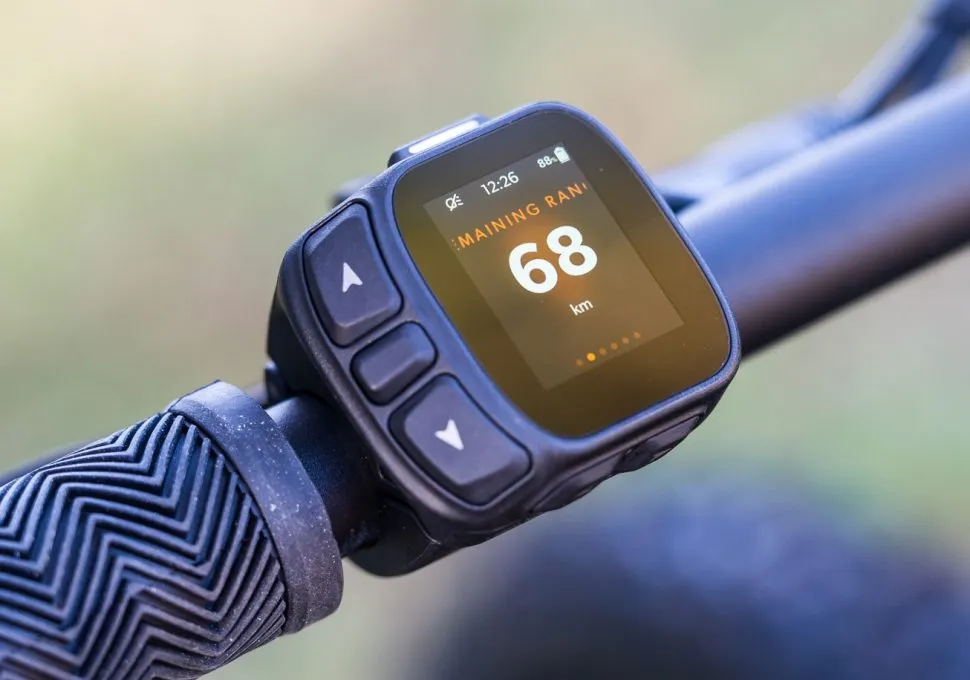
On the handlebar lays the second part of the reason for the Talon’s sweet ride – the RideControl Dash 2 controller. Small and unobtrusive, the controller offers five power modes, six when you include the ‘Auto’ function obtained by a long press on the upper ‘+’ button. In practice, I found the ‘Active’ mode worked best for my undulating 30 km local rides, with more powerful modes used judiciously on steeper gradients. The same rides in ‘Auto’; mode showed that battery life would be extended, but I detected less assist at lower cadences. There’s an option in there for every type of rider and terrain.
The main mode buttons are large digit-friendly affairs on the left side of the screen, whilst navigating through the different ride setting screens, speed, battery life etc are down to a pair of smaller buttons situated at the base of the unit. These data screens can be customised to suit. A ‘Walk’ mode button sits between the mode buttons for when that particular time comes, although unlike some other brands, the mode is activated by the Walk button but holding the Mode minus button down completes the operation.
If you are an iPhone user you can connect to the Find My app to keep tabs on your bike. The Giant Ride Control app also offers electronic locking via a PIN.
 Geoff Waugh
Electrics, tyres and suspension travel
Giant’s smart charger means that you can get up to 80% battery charge in two hours which is welcome. The charging port on the frame is a neat spring-loaded unit that pulls outwards and rotates out of the way for the cable head. After wrestling with stubborn port covers, or losing flimsy ones, over the years, this obvious design is well worth a mention.
The bike comes with an SR Suntour XCM coil sprung fork with a stated 100mm of travel although I struggled to achieve that. The fork is a basic item with preload the sole adjustment offered, but that said, It does the job of taking some of the front end sting out of the ride.
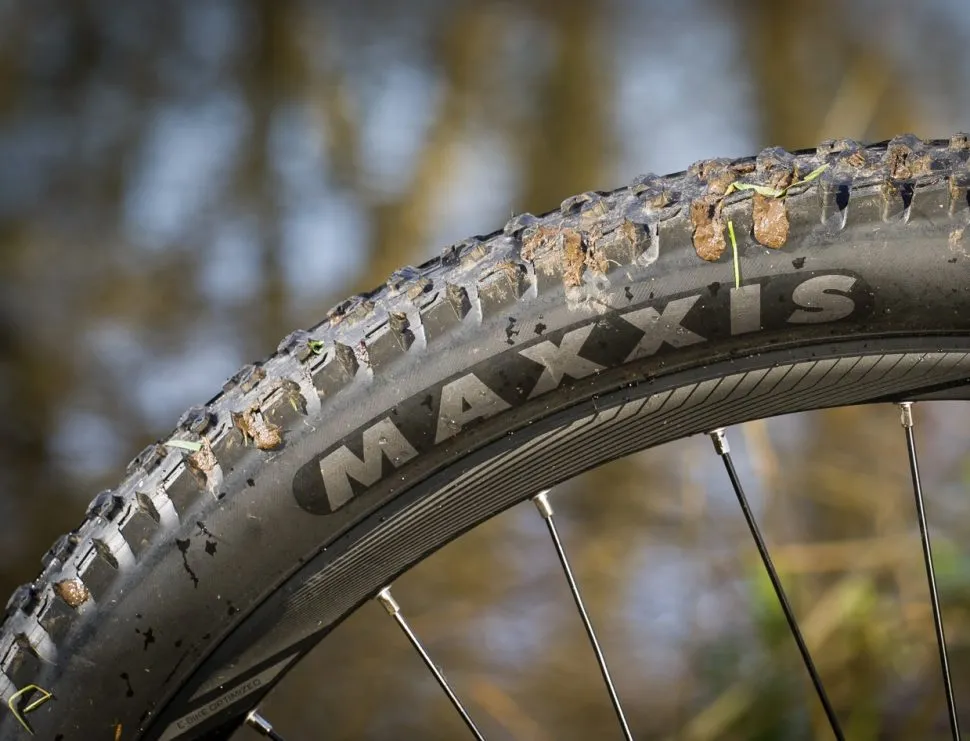
Tyres are Maxxis Rekon rubber front and rear. The Rekon is and out and out XC tread made for minimal rolling resistance and speed. In dry conditions it would be a worthy addition to the bike, and pumped hard, would be fine on road, but I rode this bike through the winter, in the mud and clag. Even with lower pressures, the tyres were quick to fill and demanded concentration, careful line choice and weight distribution from the pilot. I think in the end it added to the sense of a ‘traditional’ hardtail ride but if you do a lot of off road in the wetter months, fitting a deeper-treaded tyre would be advised.
 Geoff Waugh
Components on the TalonE+ are a mix of Shimano Cues: drivetrain and brakes, and Giant branded items such as bar, stem, grips, seatpost and saddle. The nine speed 11-41tooth cassette may look weedy if you are used to seeing a 52T dinner plate low sprocket, but in the field it gets the job done with crisp and accurate shifting and I never felt undergeared in any situation. Plus fewer sprockets mean more clearance in muddy conditions and, potentially, a stronger chain.
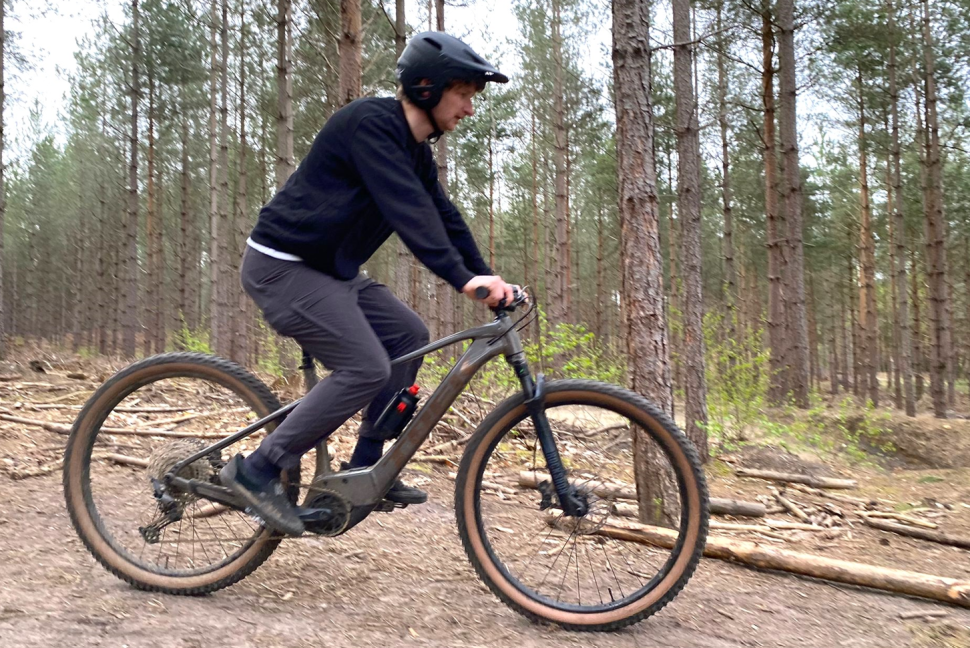
Riding the TalonE+ is a breath of fresh air in a world full of pumped up eMTBs. The medium test bike was a perfect fit for this 5ft 9in tester. I fitted some SPD pedals and rode it exactly like I ride my normal hardtail. It is an agile and positive ride that responds to rider input at a stroke. I never felt underpowered or missed extra torque from the 75Nm motor, nor suffered any battery anxiety. The power management system appears to be dialled.
Committed mountain bikers may want to fit a dropper post and tyres and maybe a more sophisticated fork down the line, but for everyone else the bike is very close to perfect perfect. It certainly put a big grin on my face.
 Geoff Waugh
How about the competition?
Read Geoff’s Giant Talon E+ review? Here’s some of the competition that we think is also worth your consideration.
Trek Marlin+
From £2,100 | View offer
Among Trek’s best selling electric bikes, the Marlin+ is a broadly competent e-MTB with a punchy mid-motor, capable tyres and suspension fork and with a build quality that strays into light trail riding. It’s agile, strong and well specced for the price.
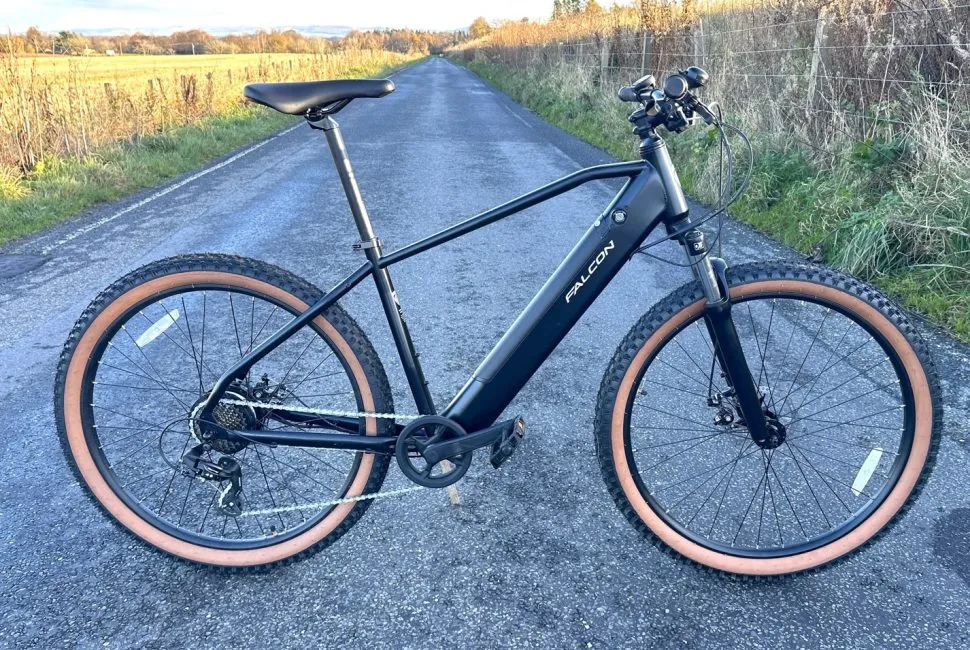
Falcon Turbine
£999 | View offer
If you’re on a strict budget there’s few electric bikes under £1,000 that come as well built as the Falcon Turbine. It houses its battery internally neatly inside the downtube, but reverts to a hub motor inside the rear wheel for its assistance.
Read our Falcon Turbine review.
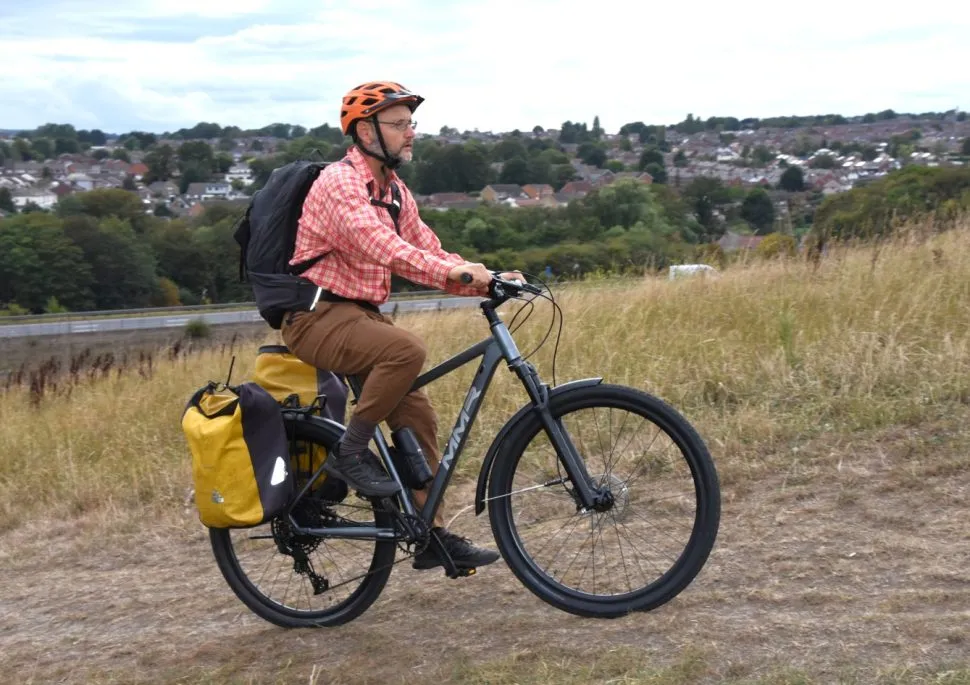
MMR E-Woki
£1,899 | View offer
One of the lighter electric mountain bikes on the market, the MMR E-woki has a bottle cage mounted battery that powers a rear hub motor. This is built to do a bit of everything, so while it may not excel down technical trails, it is adept at cross country riding and even some about town utility riding, thanks to its ability to mount pannier bags.