
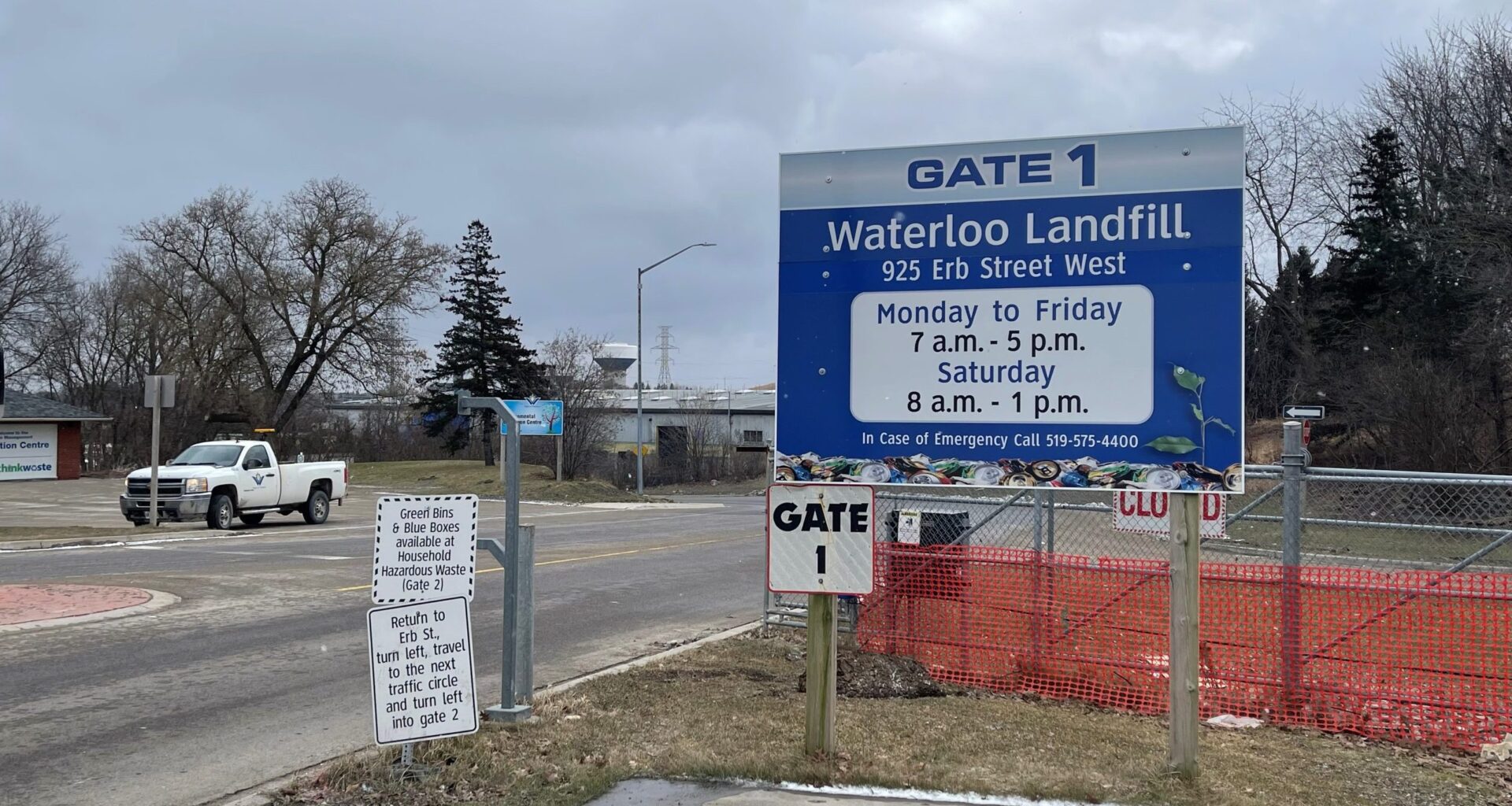
As the province begins to take over waste collection services in Waterloo Region, some new attention is being raised about the issues that improper sorting is having on provincial landfills.
It comes as Lisa Kowalchuk, an associate professor of sociology at the University of Waterloo, said she spent time studying the cause and effect of ongoing efforts to improve sorting across various residential high-rises.
That included waste diversion, collection, and reduction efforts across those more densely populated areas. She said the issues are less focused on what exactly is being collected and rather how it’s being sorted and, subsequently, where it is headed.
Kowalchuk stated that many high-rise developments are not properly sorting out their garbage, recycling, and organic materials, meaning a majority of it is collectively being sent to landfills.
“The fact is, they’re mixing all of it, so there’s no organic separation in that building at all,” Kowalchuk said. “That is the case for multi-residential buildings that contract with private waste hauling companies, for the most part. They’re not collecting organics, and most multi-residential buildings across the province are not collecting organics.”
She said that the collective waste being sent off to landfills is creating an elevated level of build-up, creating issues for the local environment as well as for the landfills themselves.
It comes as an online countdown from Waste to Resource Ontario (W2RO) shows that the province has approximately eight years before its list of landfills is completely filled up.
She pointed to the privately owned multi-residential high-rises in particular, saying many others have opted into local city-operated waste collection efforts, which allows for better, proper sorting of those materials.
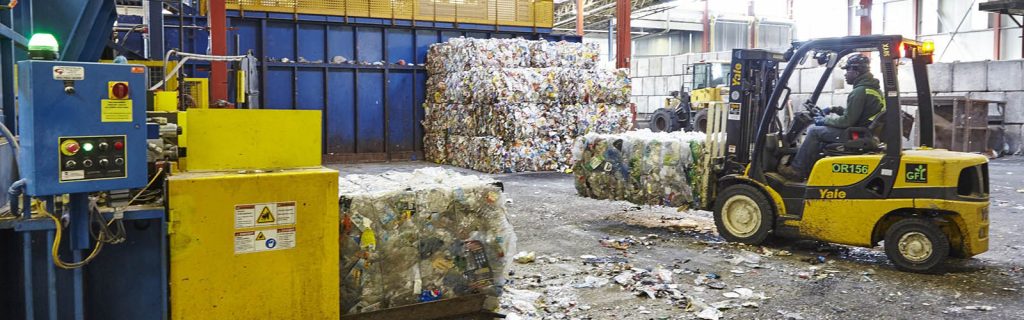 Photo of the region’s Materials Recycling Centre (Region of Waterloo)
“Private multi-residential buildings were allowed to opt for private waste collection and not have a city collect their waste, precisely so they could avoid the expense and hassle of organics collection.”
While she said there are a good number of issues leading to those landfill build-ups, she did find that there are other properties which are pushing forward with those more progressive waste disposal efforts.
“There are other examples of high rises that did innovative things, like close the chute entirely and have everyone bring their waste to a common disposal point where the waste would be separated,” Kowalchuk mentioned.
She stated plainly, though, that it’s an effort that will only properly progress if everyone involved is on board.
“Landlords have to be willing to invest in that,” she said.